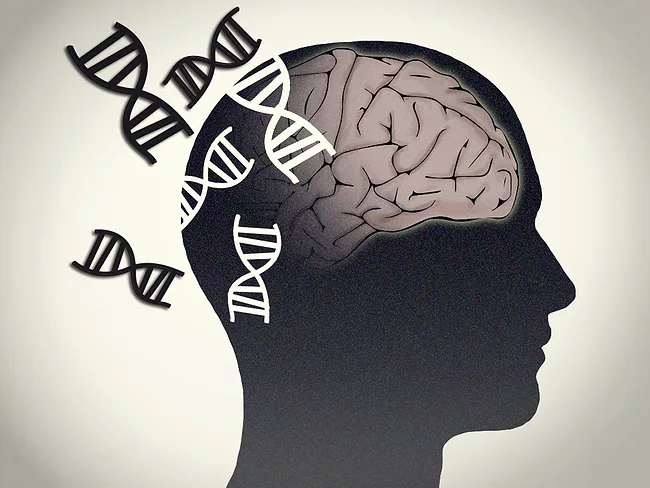
Investigators at the National Institute of Diabetes and Digestive and Kidney Disorders (NIDDK) have used a gene-constrained analysis to identify nine new Alzheimer’s disease (AD) risk genes that are possibly linked to the higher prevalence of AD in people with African ancestry. One of those genes, GNB5, regulates the stability of certain G protein-signaling proteins, which are activated by G protein-coupled receptors (GPCRs). The authors showed that mice with only one copy of Gnb5 developed more amyloid plaques and tau tangles than those with two copies.
Jazz Pharmaceuticals plc has identified fatty acid amide hydrolase (FAAH) inhibitors reported to be useful for the treatment of anxiety, autism spectrum disorders, depression, schizophrenia, substance abuse and dependence, psychosis, parasomnia and trauma and stress related disorders.
Oligomeric amyloid-β (Aβ) peptide causes synaptic dysfunction, accumulates within synapses, and has been associated with synapse loss around plaques in Alzheimer’s disease (AD). However, there is a need to identify synaptic binding partners of Aβ that mediate synaptotoxicity in the brain. A team of investigators from the University of Edinburgh and affiliated organizations aimed to identify synaptic receptors that bind Aβ in human AD.
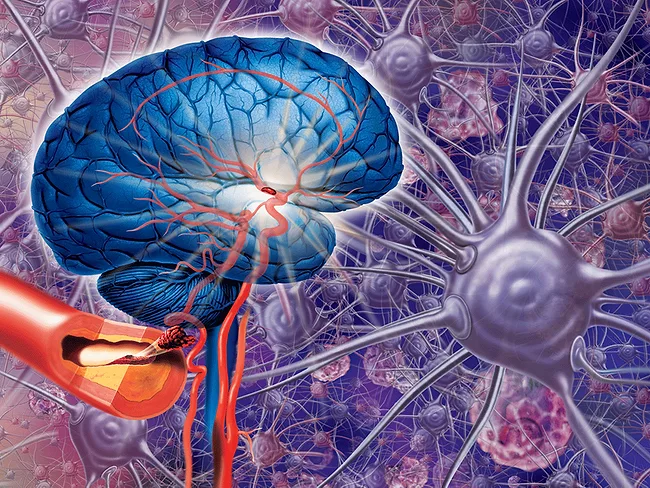
It has been shown that vascular endothelial growth factor A (VEGF-A) induces blood-brain barrier disruption and vasogenic edema and it is up-regulated in stroke. When bound to its receptor, VEGF promotes angiogenesis and neuroprotection, in addition to inducing vasogenic edema. VST Bio Ltd. and Yale University have presented data on their monoclonal antibody against syndecan-2, named VST-002, that completely blocks VEGF-driven vasogenic edema while preserving neuroprotective effects.
In repeated concussions, removing damaged mitochondria could prevent the neurodegeneration that occurs when pathology progresses in some patients. The key would be in the role of the p17 protein in restoring mitophagy, according to scientists from the Medical University of South Carolina (MUSC). “Brain injury is an extrinsic disease. It is not idiopathic. When the primary injury occurs, the secure mechanism only relies on an endogenous protection of the brain. If you have a good neuroprotective mechanism, then after the primary injury, basically you don’t see any symptomatic effect,” Onder Albayram told BioWorld.
Neuroninn Biosciences Co. Ltd. has synthesized G protein-coupled receptor GPR139 agonists reported to be useful for the treatment of anxiety disorders, depression, substance abuse and dependence and Parkinson’s disease.
Japanese researchers have developed a new rat model of thromboembolic ischemic stroke that did not require arterial ligation of the external carotid artery, which makes the research for thrombolytic agents more complicated.
 RSS
RSS