Shanghai Institute of Materia Medica of the Chinese Academy of Sciences have developed nitrogenous heterocyclic compounds described as as receptor-interacting serine/threonine-protein kinase 1 (RIPK1; RIP-1) inhibitors.
Arrowhead Pharmaceuticals Inc. has filed an application in New Zealand for clearance to initiate a phase I/II trial of ARO-DUX4, the company’s investigational RNA interference (RNAi) therapeutic being developed as a potential treatment for patients with facioscapulohumeral muscular dystrophy (FSHD).
Nysnobio Inc. has received a grant from The Michael J. Fox Foundation for Parkinson’s Research (MJFF) to assist the advancement of the company’s lead parkin gene replacement therapy candidate, NB-001. The funding will support product manufacturing to enable IND safety studies in preparation for clinical trials evaluating NB-001 in Parkinson’s disease patients with biallelic loss-of-function mutations in the parkin gene, or parkin-PD.
Researchers from Anhui Medical University (AMU) and Wuhan University of Technology (WUT) presented the discovery of novel acetylcholinesterase (AChE) inhibitors as potential disease-modifying anti-Alzheimer’s disease (AD) candidates.
Spinocerebellar ataxia type 3 (SCA3) is the most common autosomal dominant hereditary ataxia worldwide, with no cure available. Intranuclear aggregation of the mutant expanded ATXN3 protein is a neuropathological hallmark of SCA3 linked to neurotoxicity.
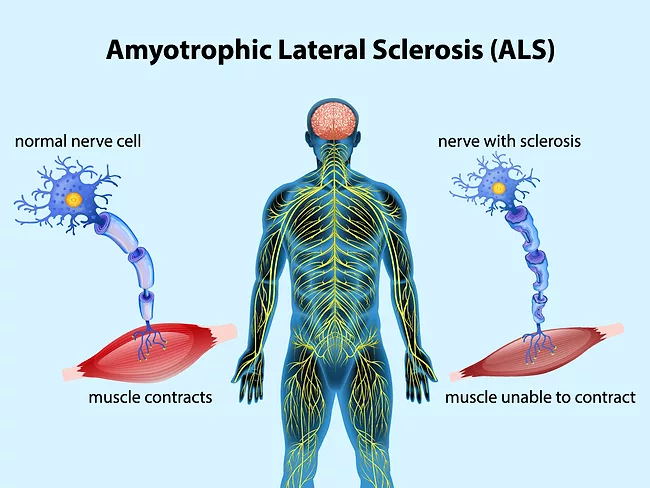
Aeterna Zentaris Inc. has offered an update on its development pipeline programs. Macimorelin acetate (AEZS-130), a ghrelin agonist approved and commercialized as a test for adult growth hormone deficiency, is in preclinical development for amyotrophic lateral sclerosis (ALS). The company has now successfully developed an alternative formulation suitable for use in ALS.
Given that monoclonal antibodies are so big, only 0.1% of a dose will cross the blood-brain barrier (BBB). And that’s why their utility in central nervous system (CNS) disorders management is limited.
Delix Therapeutics Inc. has identified pyrrolidine psychoplastogens acting as 5-HT2A receptor modulators reported to be useful for the treatment of neurodegeneration, substance abuse and dependence, impulse control, mood, sleep, anxiety, eating and personality disorders, among others.
 RSS
RSS