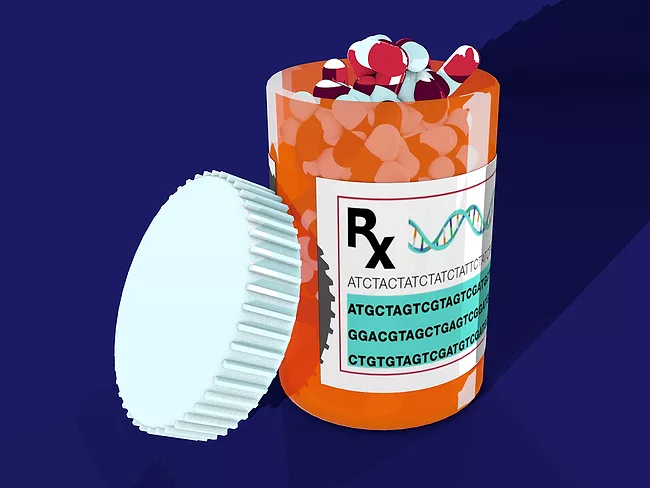
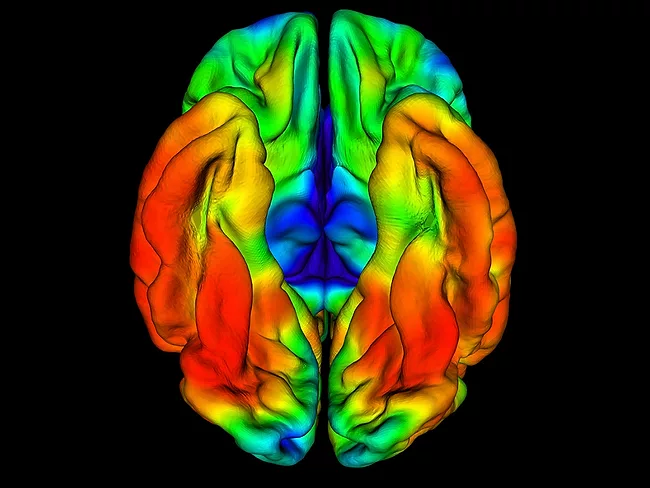
Researchers have used cell culture experiments to understand how gene expression was affected in a patient with a rare pain insensitivity syndrome, and have identified a network of hundreds of genes whose expression was changed compared to sex-matched controls. Published online in the journal Brain on May 23, 2023, the research is one step toward translating a rare mutation into medications that could provide benefits for common ailments.
Research at Reunion Neuroscience Inc. has led to the discovery of benzyltryptamine compounds acting as 5-HT2A receptor agonists. These compounds are reported to be useful for the treatment of depression, alcoholism, cocaine addiction, inflammation, cluster headache neurological and post-traumatic stress disorder.
Researchers from Kyungpook National University presented data from a study that aimed to investigate the endogenous mechanisms involved in granule cell dispersion (GCD) and its role in epileptic seizures in temporal lobe epilepsy (TLE).
Long-term brain recordings from four patients with chronic pain have led investigators at the University of California at San Francisco to identify brain signals that could serve as biomarkers for each individual patients’ pain. The study, which was published online in Nature Neuroscience on May 22, 2023, demonstrated that “chronic pain can successfully be tracked, can successfully be predicted, in the real world while patients are ... going about their lives,” lead author Prasad Shirvalkar told reporters at a press conference announcing the findings. Shirvalkar is a neurologist at the University of California at San Francisco.
Research at Merck Sharp & Dohme Corp. has led to the development of receptor-interacting serine/threonine-protein kinase 1 (RIPK1; RIP-1) inhibitors reported to be useful for the treatment of amyotrophic lateral sclerosis (ALS) and inflammatory disorders.
Researchers from Applied Genetic Technologies Corp. have reported preclinical data for AGTC-601, a novel AAVrh10-granulin (GRN) gene therapy being developed for the treatment of frontotemporal dementia (FTD) with GRN mutations.
One of the challenges in designing genetic and cellular strategies is getting the therapy to the right place. This is even more complicated when it comes to the nervous system. The brain is a complex organ that contains the most differentiated and inaccessible cells in human biology. It is an impassable safe, protected by the blood-brain barrier.
H. Lundbeck A/S and Vernalis (R&D) Ltd. have jointly patented leucine-rich repeat kinase 2 (LRRK2; Dardarin) and/or LRRK2 mutant inhibitors reported to be useful for the treatment of Lewy body dementia, multiple system atrophy and Parkinson’s disease.
 RSS
RSS