The archetypal UbiB protein COQ8 has human homologues COQ8A and COQ8B, both with well-established connection to human disease, with inactivating mutations in COQ8A resulting in autosomal recessive cerebellar ataxia. Researchers from the University of Wisconsin-Madison and affiliated organizations have now recently reported the discovery of small-molecule inhibitors of COQ8A.
Vertex Pharmaceuticals Inc. and Entrada Therapeutics Inc. have entered into a global collaboration focused on discovering and developing intracellular Endosomal Escape Vehicle (EEV) therapeutics for myotonic dystrophy type 1 (DM1).
A strong clinical association has been observed between epilepsy and the development of depression, however, it is difficult to study individual molecular and cellular mechanisms underlying these comorbidities in animal models. Researchers from Rutgers University have aimed to develop a cell-type-specific monogenic mouse model of epilepsy and depression comorbidities, which could serve as a tool for identifying disease mechanisms as well as for target and drug screening.
Researchers from Praxis Precision Medicines Inc. presented the discovery and preclinical evaluation of a novel voltage-gated sodium channel (Nav) blocker, PRAX-628, being developed as a potential antiepileptic drug candidate.
Pepgen Inc. has announced new preclinical data supporting the progression into clinical trials of PGN-EDODM1, its product candidate in development for the treatment of myotonic dystrophy type 1 (DM1).
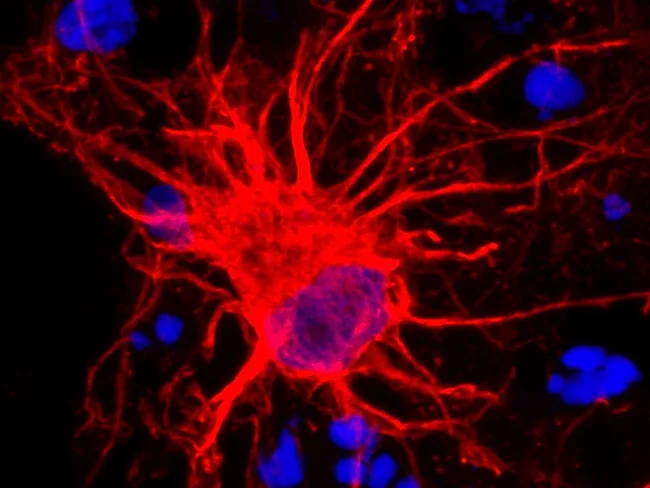
Major depressive disorder (MDD) was linked to impaired neural connectivity caused by astrocyte dysfunction, according to a study from the Southern Medical University in Guangzhou in collaboration with the University of Hong Kong.
Metrion Biosciences Ltd. and The KCNC1 Foundation have established a collaboration to progress a hit identification research project for small-molecule modulators of the potassium ion channel Kv3.1, targeting KCNC1-related disorders.
A research team based at the University of California, San Diego presented data from a study that evaluated the novel cyclophilin D (CypD) inhibitor CC-2055 in preclinical models of epilepsy.
Axon loss is an initiating event common to several neurodegenerative disorders. In healthy axons, SARM1 (sterile α and Toll/IL-1 receptor motif-containing 1) activity, crucial for programmed axon degeneration, is restrained by the NAD+ biosynthetic enzyme NMNAT2.
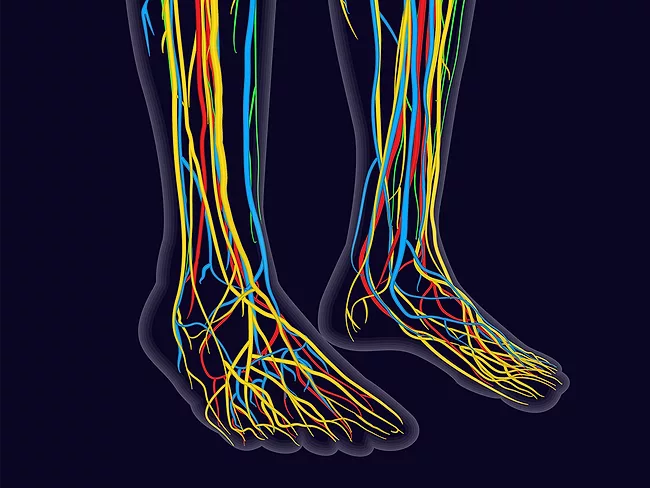
Charcot-Marie-Tooth disease 2A (CMT2A) is a common hereditary motor and sensory neuropathy of the peripheral nervous system caused by mutations in the mitofusin 2 gene (MFN2). CMT2A is characterized by progressive axonal degeneration without myelin involvement, predominantly affecting the distal limbs, but the mechanisms underlying the axonal pathology remain unclear.