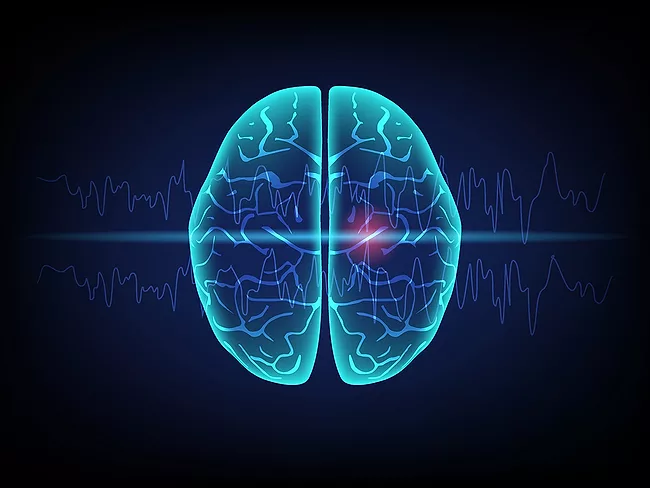
The majority of epilepsies are developmental disorders that start in childhood. But there is a large minority that starts in late adulthood. And increasingly, researchers are suspecting that such epilepsies share mechanisms with dementia. Summarizing the highlights of epilepsy research presented at the recent Annual Congress of the European Academy of Neurology (EAN), Aleksandar Ristic told his audience that the biggest epilepsy story out of the Congress was “not a drug, but it was a reframing.”
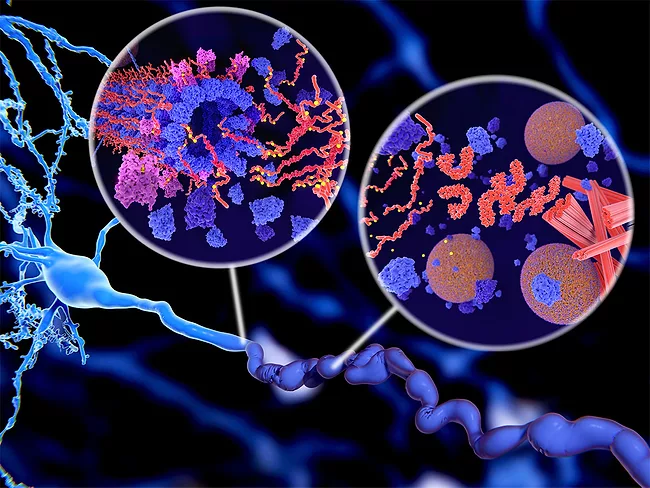
In Alzheimer’s disease (AD), 17β-HSD10 and CDK5/p25 contribute to neuronal dysfunction through distinct but interconnected pathways involving mitochondrial impairment and tau-mediated neurodegeneration, supporting their potential as complementary therapeutic targets.
Human biology is extraordinarily complex, and that sophistication emerges from the very beginning. During embryonic and fetal development, the organism’s architecture is shaped through the organization of tissues, the establishment of molecular pathways, and the coordination of signals that will later sustain the body as an integrated system. It is likely the most delicate stage of life, where any disturbance in that foundational process can have lasting consequences on health.
Reunion Neuroscience Inc. has identified new 5-HT2A receptor partial agonists and/or 5-HT2B receptor antagonists potentially useful for the treatment of psychiatric and neurological disorders.
Researchers from Capital Medical University in Beijing, China, aimed to develop novel antidepressant compounds based on the monoaminergic mechanisms of classical antidepressant drugs and the therapeutic potential of 5-HT1A receptor activation.
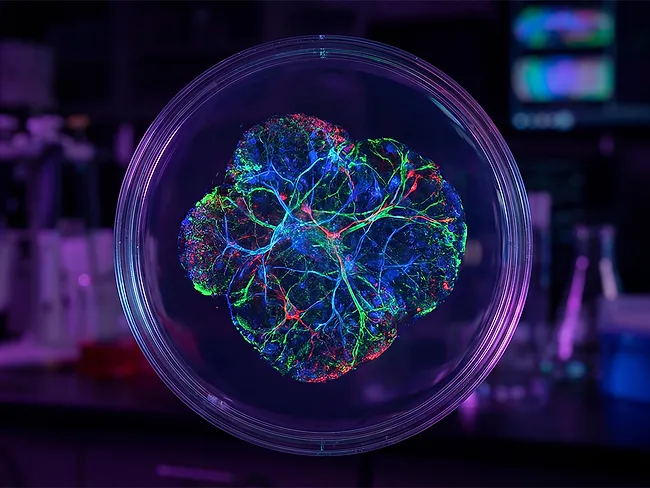
At the 2026 World Congress of Neuropsychopharmacology (CINP), held in Glasgow June 26-29, 2026, researchers from Japan’s National Center of Neurology and Psychiatry (NCNP) showcased how human organoid technologies are reshaping the study of neurodevelopmental vulnerability, addiction and psychiatric disorders.
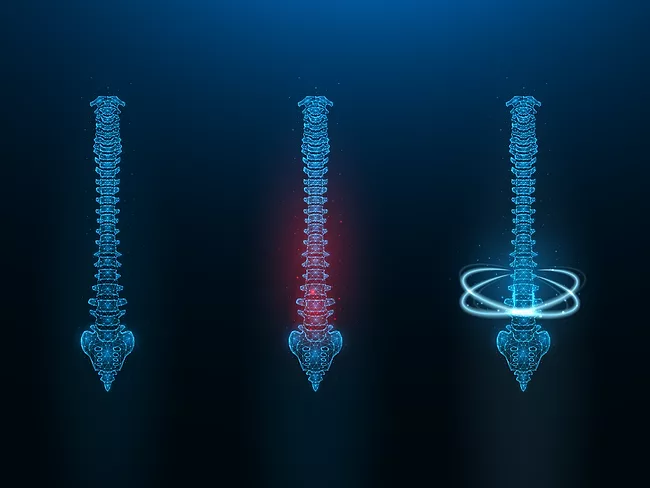
Spinal cord traumatic injury can lead to loss of motor function and progressive development of muscle spasticity and rigidity. Researchers from the University of California San Diego and collaborating institutions investigated a novel gene-delivery-based antispasticity strategy.
Predominantly expressed in the striatum, a brain region involved in cognition, motivation and motor control, G protein-coupled receptor 52 (GPR52) regulates dopaminergic and glutamatergic signaling pathways implicated in psychiatric disorders.
Neurodegenerative disorders such as Alzheimer’s disease (AD) and frontotemporal dementia are characterized by the accumulation of hyperphosphorylated tau protein, forming neurofibrillary tangles, ultimately leading to synaptic dysfunction and cognitive decline.
 RSS
RSS