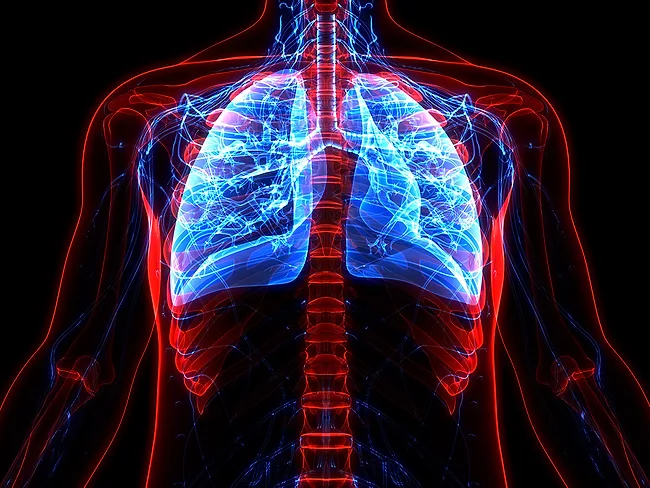
Chronic obstructive pulmonary disease (COPD) is a respiratory disease characterized by chronic inflammation and structural damage to the alveoli, with irreversible declined lung function. M1 pro-inflammatory macrophages mainly participate in airway inflammation and in tissue destruction, and are involved in COPD, but the mechanisms need to be elucidated.
The Cystic Fibrosis Foundation has agreed to provide Prime Medicine Inc. an additional investment of up to $24 million to continue the development of a gene editing therapy for people with cystic fibrosis. Prime Medicine uses a gene editing technology called prime editing, which enables a wide range of modifications to the DNA with a high degree of precision.
Idiopathic pulmonary fibrosis (IPF) is a progressive disease characterized by lung scarring, fibrosis and finally respiratory failure. Currently, few treatment options are available for IPF and they only slow down disease progression and do not reverse fibrosis. There is a need for new therapeutic targets that aid in the management of the disease.
Chiesi Farmaceutici SpA has identified new D-3-phosphoglycerate dehydrogenase (3-PGDH; PHGDH) inhibitors for the treatment of idiopathic pulmonary fibrosis.
Idiopathic pulmonary fibrosis (IPF) is a progressive and fatal lung disease with limited treatment options. IPF is thought to result from repeated microinjuries to aging lung tissue, triggering dysfunctional repair responses that drive fibrosis and respiratory failure. Researchers from the University of Wisconsin Madison and the University of Texas Medical Branch have now identified a potential new therapeutic approach for IPF by targeting bromodomain-containing protein 4 (BRD4).
An experimental drug for treating diabetes and obesity has been shown to lower blood sugar levels and increase fat burning. It is a β2-adrenergic receptor (β2AR) agonist that mimics the effects of physical exercise by activating skeletal muscle metabolism. Unlike GLP-1-based treatments such as semaglutide and tirzepatide, this new compound, developed by researchers at the Karolinska Institute, Stockholm University, and the biotech company Atrogi AB, does not suppress appetite or cause muscle loss.
Pulmonary fibrosis is a potentially deadly lung disease characterized by progressive scarring and impaired lung function, with limited treatment options and a poor prognosis. Previous work found that targeting the activation, but not the production, of latent transforming growth factor 1 (TGF-β1) may offer therapeutic benefit in this condition.
Deepcure Inc. has nominated DC-15442, an oral selective STAT6 inhibitor, as its second development candidate. DC-15442 is designed to replicate the safety and efficacy of dupilumab, while offering an oral alternative to regular subcutaneous injections.
In progressive fibrotic diseases, which can occur in nearly all organs, myofibroblasts are activated to differentiate into proliferating fibroblastic cells that express genes that lead to deposition of extracellular matrix. The factors driving myofibroblast activation appear to be varied and complex, ranging from mechanical insults to inflammation, infection and cancer.
Seyltx Inc. has entered into an option agreement with Neurop Inc. for a portfolio of novel GluN2B antagonists. The compounds include NP-10679, which has completed phase I, and seven preclinical candidates.

 RSS
RSS