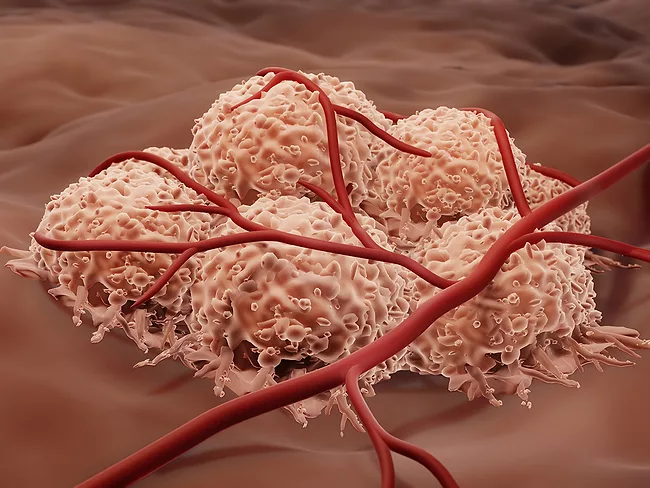
Jiangsu Hansoh Pharmaceutical Group Co. Ltd. and Shanghai Hansoh Biomedical Co. Ltd. have jointly patented tricyclic compounds acting as mucosa-associated lymphoid tissue lymphoma translocation protein 1 (MALT1) inhibitors. As such, they are reported to be useful for the treatment of cancer and autoimmune diseases.
JS Innomed Holdings Ltd. and JS Innopharm Ltd. have developed new tyrosine-protein phosphatase non-receptor type 11 (PTPN11; PTP-2C; SHP-2) inhibitors reported to be useful for the treatment of cancer, LEOPARD syndrome and Noonan syndrome.
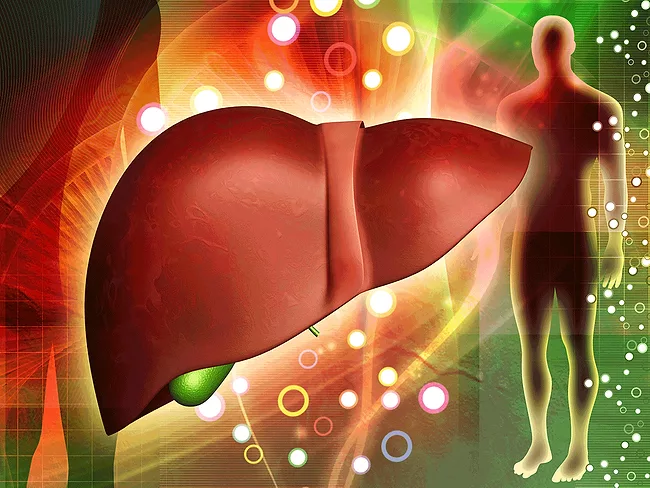
Celloram Inc. has signed a licensing agreement with Genfit SA to advance Celloram’s first-in-class inflammasome inhibitor, CLM-022. The agreement grants Genfit exclusive global rights to develop CLM-022 in liver disease indications.
Fuzionaire Diagnostics Inc. has changed its name to Fuzionaire Theranostics Inc. to better reflect the company’s pipeline of paired fluorine-18 PET diagnostics and radioligand therapies to find and treat cancer.
Biohaven Ltd. is advancing development of its first-in-class bispecific IgG degrader, BHV-1300, which has potential to treat multiple immune-mediated diseases. The pan-IgG degrader has demonstrated a competitive safety, manufacturable and pharmacodynamic profile, and BHV-1300 dosage regimens are expected to allow co-administration with existing standards of care. An IND submission is planned for the second half of this year.
Researchers from Delta-Fly Pharma Inc. presented preclinical data for DFP-14927, a polyethylene glycol (PEG)-conjugate of a deoxycytidine analogue, being developed as a potential anticancer agent.
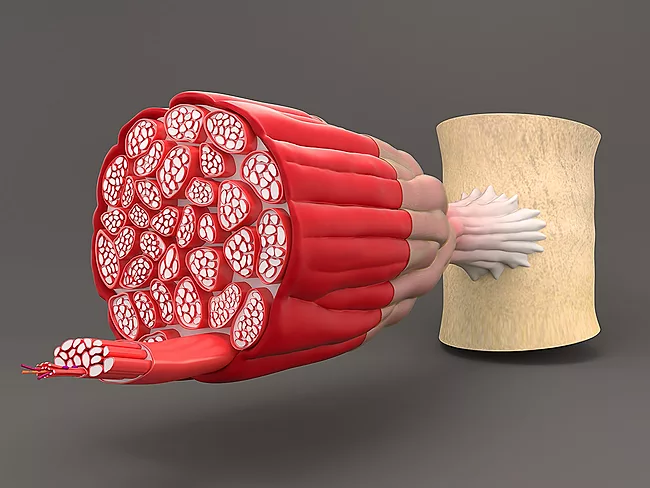
Non-profit Solve GNE LLC has raised over $2.5 million and announced sponsored research agreements to help advance research in hereditary inclusion body myopathy (HIBM), or GNE myopathy (GNEM).
Researchers from Zhejiang University of Technology presented the discovery of novel small compound candidates, designed with the aim of overcoming P-glycoprotein (P-gp)-mediated multidrug resistance (MDR).
Evaxion Biotech A/S has presented promising results on EVX-B1, a vaccine against Staphylococcus aureus containing antigens identified using artificial intelligence. EVX-B1 induces strong immune responses, both cellular and humoral, that translate to a high level of protection in preclinical models for skin infection and sepsis.
Critically shortened telomeres are a key limiting factor in successful CAR T-cell immunotherapy, with cells from older patients tending to have shorter telomeres with reduced dividing capacity. As such, these cells are unable to fully eliminate malignancies and provide durable and persistent protection against cancer.

 RSS
RSS