Post-traumatic stress disorder (PTSD) is a condition with limited effective therapeutic options to date, where 5-HT2A receptor agonists show promise for enhancing cortical plasticity in the brain and aiming in the processing of trauma. Engrail Therapeutics Inc. has presented data for their 5-HT2A agonist and dopamine D2/D3 receptor antagonist neuroplastogen ENX-205 for the potential treatment of PTSD.
Ebola virus (EBOV) causes severe febrile illness that frequently leads to death within 10 days of infection due to multiorgan failure. Different therapeutic strategies have been developed against EBOV infection, including small-molecule drugs, monoclonal antibodies and viral vaccine vectors. Despite their promise, all these strategies have significant limitations that limit their clinical application. Researchers from Mayo Clinic recently presented a novel molecular therapy, which they called “therapeutic minigenome,” using EBOV’s own proteins to combat itself.
For decades, scientists have searched for a mechanistic link between viral infection and multiple sclerosis (MS). Insights from three studies recently published in Cell bring that connection into sharper focus. By tracing how the immune system responds to Epstein-Barr virus (EBV) – and how those responses can misfire against the brain – researchers are beginning to uncover a compelling biological explanation for MS.
After raising AU$29 million (US$19.44 million) in a series A round, Rage Biotech Pty Ltd. is beginning phase I trials of its lead candidate, RB-042, an inhaled splice-switching oligonucleotide for treating chronic obstructive pulmonary disease (COPD) and other inflammatory lung diseases.
Eli Lilly & Co. has disclosed new glucose-dependent insulinotropic receptor (GDIR; GPR119) agonists reported to be useful for the treatment of obesity and type 2 diabetes.
Poly(ADP-ribose) polymerase 1 (PARP-1; ARTD1) inhibitors have been described in a Protheragen Inc. patent as potentially useful for the treatment of cancer, neurodegeneration, cardiovascular disorders, metabolic and autoimmune diseases.
Work at Dark Blue Therapeutics Ltd. has led to the development of new proteolysis targeting chimera (PROTAC) compounds comprising a E3 ubiquitin ligase-binding moiety coupled to a protein ENL (MLLT1; YEATS1) and/or protein AF-9 (MLLT3; AF9)-targeting moiety through a linker. They are reported to be useful for the treatment of cancer.
Recursion Pharmaceuticals Inc. has prepared and tested new 1-phosphatidylinositol 3-phosphate 5-kinase (PIKfyve) inhibitors reported to be useful for the treatment of interstitial lung disease, liver, kidney and myocardial fibrosis.
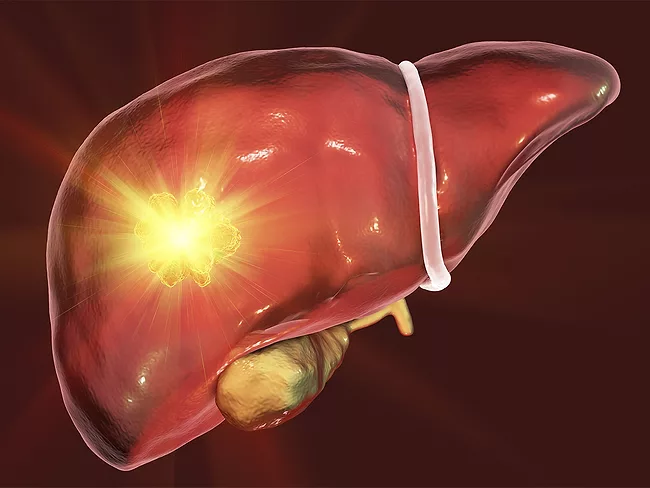
CD276, also known as B7-H3, is an antigen highly expressed in several cancer types, including hepatocellular carcinoma (HCC, 79%-94% expression) and closely tied to aggressiveness and poor survival, but shows very low expression in normal tissues. Increasing evidence exists indicating B7-H3 has immune inhibitory functions, thus reducing interferon levels released by T cells and suppressing cytotoxic activity of natural killer cells, thereby aiding in tumor immune evasion.
 RSS
RSS