After raising AU$29 million (US$19.44 million) in a series A round, Rage Biotech Pty Ltd. is beginning phase I trials of its lead candidate, RB-042, an inhaled splice-switching oligonucleotide for treating chronic obstructive pulmonary disease (COPD) and other inflammatory lung diseases.
Eli Lilly & Co. has disclosed new glucose-dependent insulinotropic receptor (GDIR; GPR119) agonists reported to be useful for the treatment of obesity and type 2 diabetes.
Poly(ADP-ribose) polymerase 1 (PARP-1; ARTD1) inhibitors have been described in a Protheragen Inc. patent as potentially useful for the treatment of cancer, neurodegeneration, cardiovascular disorders, metabolic and autoimmune diseases.
Work at Dark Blue Therapeutics Ltd. has led to the development of new proteolysis targeting chimera (PROTAC) compounds comprising a E3 ubiquitin ligase-binding moiety coupled to a protein ENL (MLLT1; YEATS1) and/or protein AF-9 (MLLT3; AF9)-targeting moiety through a linker. They are reported to be useful for the treatment of cancer.
Recursion Pharmaceuticals Inc. has prepared and tested new 1-phosphatidylinositol 3-phosphate 5-kinase (PIKfyve) inhibitors reported to be useful for the treatment of interstitial lung disease, liver, kidney and myocardial fibrosis.
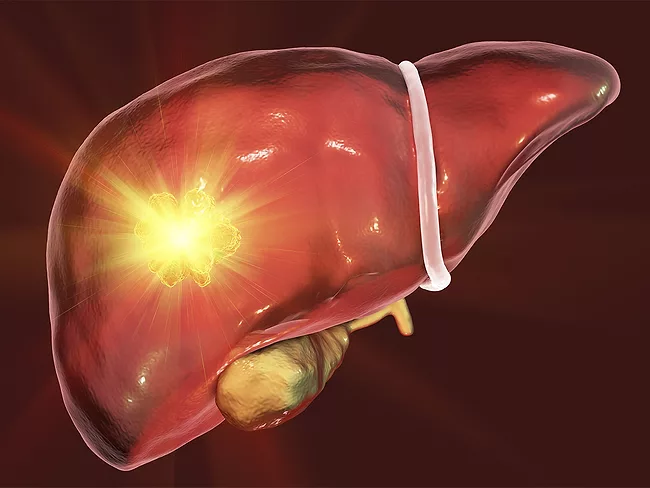
CD276, also known as B7-H3, is an antigen highly expressed in several cancer types, including hepatocellular carcinoma (HCC, 79%-94% expression) and closely tied to aggressiveness and poor survival, but shows very low expression in normal tissues. Increasing evidence exists indicating B7-H3 has immune inhibitory functions, thus reducing interferon levels released by T cells and suppressing cytotoxic activity of natural killer cells, thereby aiding in tumor immune evasion.
Bispecific T-cell engagers (TCEs) aim to combat cancer by simultaneously binding T cells and tumor cells in order to induce the first to kill the second. This approach has failed to work effectively against many solid tumors because the exogenous engager proteins do not penetrate into tumors at sufficiently high concentrations.
Tahoe Therapeutics and Alloy Therapeutics Inc. are forming a jointly seeded new company focused on developing first-in-class antibody-drug conjugates (ADCs) for patients with hard-to-treat cancers. The joint venture will advance two ADC programs directed at novel tumor targets discovered by Tahoe using its proprietary Mosaic platform and large-scale, perturbative single-cell datasets.
Dentatorubral-pallidoluysian atrophy (DRPLA) is a lethal neurodegenerative disorder caused by pathogenic expansion of CAG repeats within the atrophin-1 (ATN1) gene. As DRPLA belongs to the broader class of repeat expansion disorders (RED) that are driven by toxic gain-of-function effects, reduction or elimination of ATN1 expression is predicted to provide therapeutic benefit.
 RSS
RSS