Researchers from Washington University presented data from a study that aimed to identify myeloid-derived suppressor cell (MDSC) markers in patients with multiple sclerosis (MS).
Bayer AG has described phosphorus derivatives acting as son of sevenless homolog 1 (SOS1)/GTPase KRAS (G12C mutant) interaction inhibitors reported to be useful for the treatment of cancer.
Boehringer Ingelheim Pharma GmbH & Co. KG has divulged imidazo[4,5-d]pyridazinonyl derivatives acting as transient receptor potential cation channel subfamily A member 1 (TRPA1) antagonists reported to be useful for the treatment of cough, fibrosis, respiratory tract inflammation and idiopathic pulmonary fibrosis.
Qingdao Ruiji Medical Technology Co. Ltd. has identified benzofuran derivatives acting as farnesoid X receptor (FXR) agonists reported to be useful for the treatment of cancer, inflammation, metabolic, cardiovascular, liver, inflammatory bowel and renal diseases.
Humanwell Healthcare (Group) Co. Ltd. has synthesized dihydropyrimidoisoquinolinone derivatives acting as G protein-coupled receptor 84 (GPR84) antagonists reported to be useful for the treatment of chronic obstructive pulmonary disease (COPD), rheumatoid arthritis, inflammatory bowel disease, pulmonary fibrosis, vasculitis, infections, metabolic and endocrine disorders, among others.
Tuojie Biotech (Shanghai) Co. Ltd. has disclosed boric acid derivatives acting as β-lactamase (bacterial) inhibitors reported to be useful for the treatment of bacterial infections.
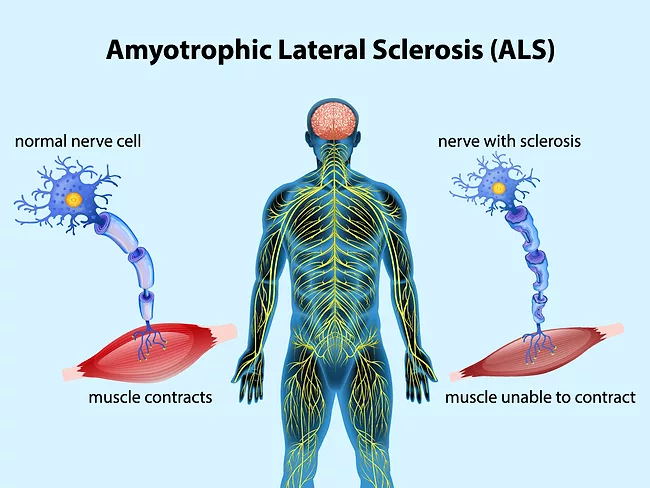
The FDA has awarded orphan drug designation to Eikonoklastes Therapeutics Inc.'s ET-101 program for the treatment of amyotrophic lateral sclerosis (ALS).
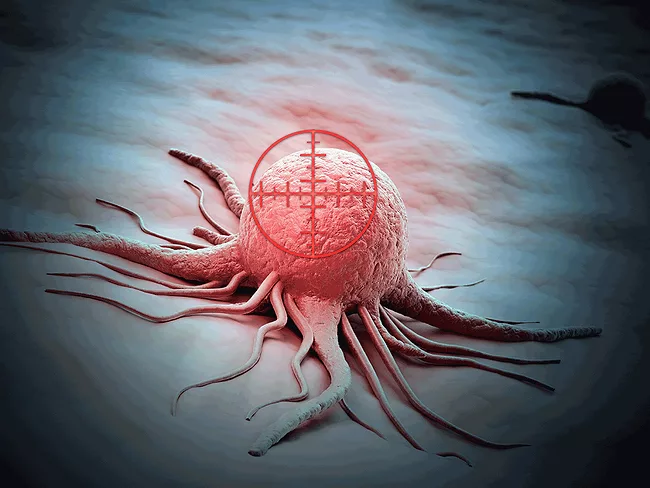
Kinimmune Inc. has received US$400,000 in funding from the National Cancer Institute (NCI) at the National Institutes of Health (NIH) for its phase I STTR application to advance the preclinical development of KIN-102, an immunostimulant for intratumoral injection that is designed to turn cold tumors hot for synergy with immuno-oncology drugs, such as checkpoint inhibitors.
Primary angle closure glaucoma (PACG) is characterized by anatomic blockage of the drainage angle of the eye leading to elevated eye pressure and optic neuropathy, and its molecular pathogenesis is still not well studied.

 RSS
RSS