Invivyd Inc. has nominated VBY-329 as a preclinical development candidate for the prevention of respiratory syncytial virus (RSV) among neonates, infants and children.
Homozygous familial hypercholesterolemia (HoFH) is a genetic condition caused by mutations in the LDLR gene and characterized by severe hypercholesterolemia and premature cardiovascular disease. Repair Biotechnologies Inc. has developed REP-0003, a therapeutic based on the Cholesterol Degrading Platform (CDP) that degrades excessive intracellular free cholesterol into a non-toxic and excretable catabolite to safely reverse cholesterol-rich vulnerable plaque.
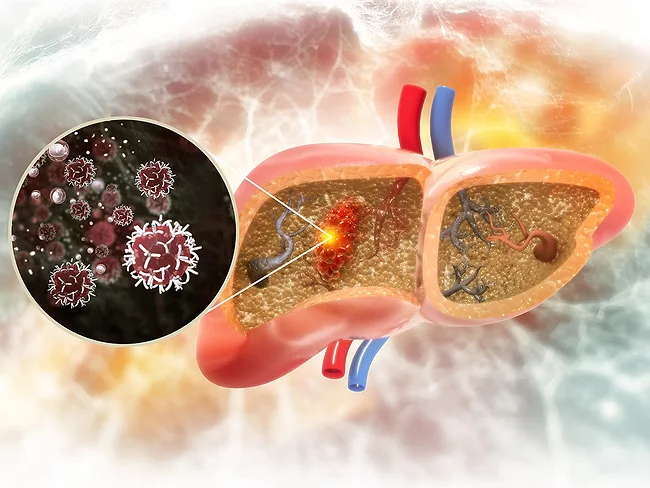
Though immune checkpoint inhibitors have improved the outcomes of patients with hepatocellular carcinoma (HCC), the response rates remain limited. At the annual meeting of the American Association for the Study of Liver Diseases, researchers highlighted N-lysine methyltransferase SMYD2 as an oncogenic protein overexpressed in several tumor types.
CSPC Pharmaceutical Group Ltd. has obtained approval from China’s National Medical Products Administration (NMPA) to initiate clinical trials with the company’s selective 5-HT2A receptor agonist, SYH-2056 tablets, for the treatment of depression.
NIH researchers report that in severe influenza, survival improves at late stages only when antivirals are combined with therapies that repair lung damage or limit harmful T-cell responses, explaining why anti-inflammatory treatments alone are often ineffective.
It’s the biological resource that keeps on giving, and now UK Biobank has released the final tranche of data on the levels of 249 metabolites in the blood of its half a million participants.
Crossfire Oncology BV has divulged proteolysis targeting chimera (PROTAC) compounds comprising an E3 ubiquitin ligase binding moiety covalently linked to a serine/threonine-protein kinase PLK1 (STPK13) targeting moiety through a linker reported to be useful for the treatment of cancer, autoimmune diseases, transplant rejection, neurological disorders and inflammatory disorders.
Napa Therapeutics Ltd. has identified ADP-ribosyl cyclase/cyclic ADP-ribose hydrolase 1 (CD38) inhibitors reported to be useful for the treatment of inflammatory disorders, metabolic diseases, cancer, obesity, diabetes, rheumatoid arthritis, fibrosis and neurodegeneration, among others.
Takeda Pharmaceutical Co. Ltd. has synthesized heterocyclic compounds acting as orexin OX2 receptor (OX2R; HCRTR2) agonists reported to be useful for the treatment of narcolepsy, among others.

 RSS
RSS