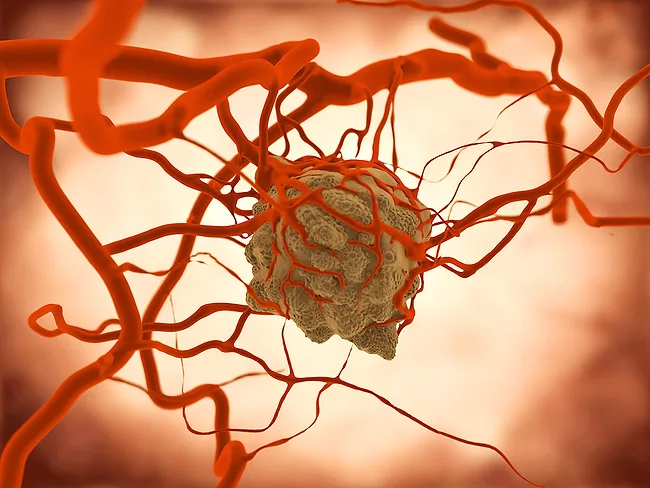
Medulloblastoma is one of the most common pediatric brain malignancies. A deeper understanding of the mechanisms underlying tumor cell fate determination is crucial to develop novel, effective and safe therapeutic strategies. With this aim, researchers from the University of Chinese Academy of Sciences and collaborating institutions recently conducted a study integrating whole-genome bisulfite sequencing and bulk RNA sequencing (RNA-seq) data from 189 human medulloblastoma samples.
CAR T cells have made headlines for their ability to fight hematological cancers, but they have proven largely ineffective against solid tumors. To fight such tumors, many groups have engineered T cells to carry T-cell receptors (TCRs) that target cancer antigens, but this approach requires using T cells taken from the patient and it is ineffective against parts of the tumor that have lost expression of the target antigen. As an alternative strategy, researchers at Zelluna ASA in Norway have engineered natural killer (NK) cells to express TCRs against solid tumor antigens.
Pulmonary fibrosis is a chronic, progressive respiratory disease in which the normal barrier between alveoli and capillaries is compromised, leading to persistent injury and inflammation of the lung epithelium.
In recent years, messenger RNA (mRNA) vaccines have shown significant success in preventing viral and bacterial infections, as well as in cancer immunotherapy and other disease applications. In particular, the development of lipid nanoparticle (LNP)-encapsulated mRNA has revolutionized vaccine development thanks to several advantages, including elevated immunogenicity, rapid manufacturing and a generally favorable safety profile compared to viral vectors and traditional adjuvant-based vaccines.
Neuroplastogens are an emerging class of compounds that promote neuroplasticity in the brain without inducing hallucinogenic effects. Transneural Therapeutics Inc. has presented data regarding their new neuroplastogen TN-001 for treating major depressive disorder; TN-001 was assayed in vitro and in vivo.
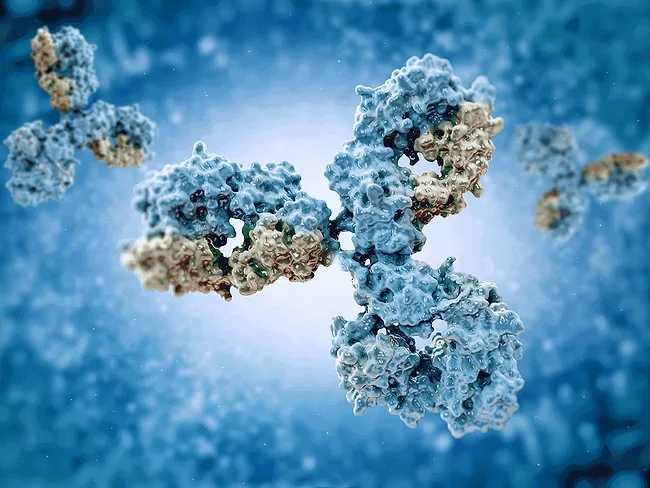
Shanghai Henlius Biotech Inc. has entered into an exclusive global license agreement with U-mab Biopharma (Lianyungang) Co. Ltd., securing rights to a monoclonal antibody (mAb) targeting interleukin-1 receptor accessory protein (IL-1RAP) for inflammatory and autoimmune diseases.
Post-traumatic stress disorder (PTSD) is a condition with limited effective therapeutic options to date, where 5-HT2A receptor agonists show promise for enhancing cortical plasticity in the brain and aiming in the processing of trauma. Engrail Therapeutics Inc. has presented data for their 5-HT2A agonist and dopamine D2/D3 receptor antagonist neuroplastogen ENX-205 for the potential treatment of PTSD.
Ebola virus (EBOV) causes severe febrile illness that frequently leads to death within 10 days of infection due to multiorgan failure. Different therapeutic strategies have been developed against EBOV infection, including small-molecule drugs, monoclonal antibodies and viral vaccine vectors. Despite their promise, all these strategies have significant limitations that limit their clinical application. Researchers from Mayo Clinic recently presented a novel molecular therapy, which they called “therapeutic minigenome,” using EBOV’s own proteins to combat itself.
For decades, scientists have searched for a mechanistic link between viral infection and multiple sclerosis (MS). Insights from three studies recently published in Cell bring that connection into sharper focus. By tracing how the immune system responds to Epstein-Barr virus (EBV) – and how those responses can misfire against the brain – researchers are beginning to uncover a compelling biological explanation for MS.
After raising AU$29 million (US$19.44 million) in a series A round, Rage Biotech Pty Ltd. is beginning phase I trials of its lead candidate, RB-042, an inhaled splice-switching oligonucleotide for treating chronic obstructive pulmonary disease (COPD) and other inflammatory lung diseases.
 RSS
RSS