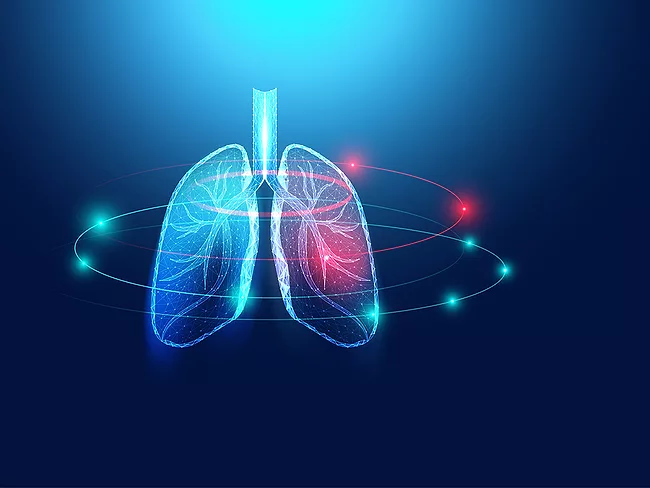
The metabotropic nucleotide receptor P2Y14 shows strong potential as a therapeutic target against various inflammatory diseases, particularly acute lung injury, yet the small-molecule inhibitors described so far have performed poorly in preclinical studies.
Researchers from Protagonist Therapeutics Inc. reported the preclinical characterization of PN-881, an oral macrocyclic peptide that inhibits the dimeric forms of IL-17 – AA, AF, and FF.
Tumor immunotherapy has become a standard of care for treating various cancers, with immune checkpoint inhibitors targeting the PD-L1/PD-1 axis proving particularly effective. While PD-L1 expression on tumor cells is a predictive biomarker for therapeutic response, emerging evidence highlights the importance of PD-L1 expression on myeloid cells, such as monocytes and dendritic cells (DCs), in shaping the tumor microenvironment and influencing the success of checkpoint blockade.
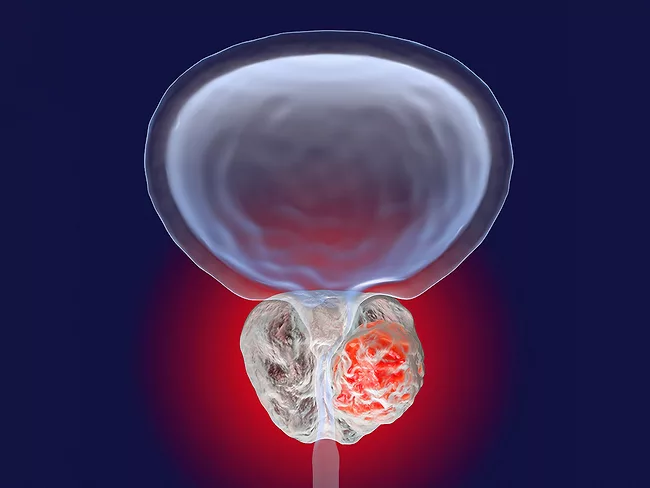
Critical Path Institute’s Translational Therapeutics Accelerator has invested in the development of QED-203 for advanced and therapy-resistant prostate cancer. Based on research at the University of Queensland’s School of Pharmacy and Pharmaceutical Sciences, QED-203 is being developed by the Queensland Emory Drug Discovery Initiative.
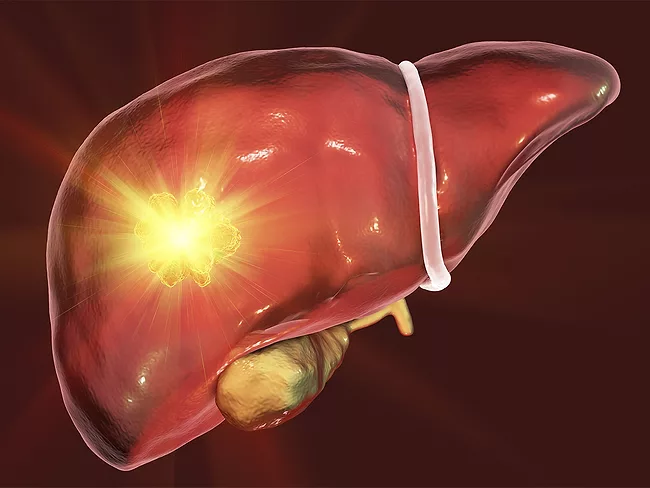
Aberrant activation of β-catenin, often due to mutations in its encoding gene or loss-of-function mutations in APC, contributes to tumor progression and therapy resistance, as seen in advanced hepatocellular carcinoma (HCC), where approximately 30% of cases exhibit β-catenin activation.
Researchers from Tongji University School of Medicine and collaborating institutions have discovered that NP65 plays a crucial role in maintaining normal visual function in mice. The study, published in Frontiers in Cellular Neuroscience, found that mice lacking NP65 exhibit impaired visual responses.
Histone acetyltransferase p300 (EP300) inhibitors have been reported in a Kronos Bio Inc. patent and are described as potentially useful for the treatment of cancer and inflammatory disorders.
 RSS
RSS