Dartmouth College has divulged fatty acid mimetics acting as free fatty acid FFA1 receptor (GPR40) and/or FFA4 receptor (GPR120) agonists reported to be useful for the treatment of obesity and type 2 diabetes.
Scientists at Centre Hospitalier Regional Universitaire de Lille, Centre National de la Recherche Scientifique, Institut National De La Santé et de la Recherche Médicale, Institut Pasteur de Lille and Université de Lille have patented conjugates comprising siderophore moieties covalently linked to cargo moieties through a linker reported to be useful for the diagnosis and treatment of bacterial infections.
National Institutes of Pharmaceutical R&D Co. Ltd. has synthesized fibroblast growth factor receptor 2 (FGFR2) inhibitors reported to be useful for the treatment of cancer.
Baobab Aibio Co. Ltd. has disclosed transcriptional coactivator YAP1/transcriptional enhancer factor (TEAD) interaction inhibitors reported to be useful for the treatment of cancer.
Moma Therapeutics Inc. has reported preclinical results on MOMA-313, a potent and selective DNA polymerase θ (POLθ) inhibitor under development for the treatment of homologous recombinant (HR)-deficient cancers.
Hematopoietic progenitor kinase 1 (HPK1) is expressed in hematopoietic cells, including T cells, B cells and dendritic cells (DCs). Suppression of HPK1 activity has shown an antitumor effect in preclinical models.
The development of covalent KRAS G12C inhibitors has represented a significant advance for non-small-cell lung cancer treatment, but other mutations such as KRAS G13C/D still lack effective treatments.
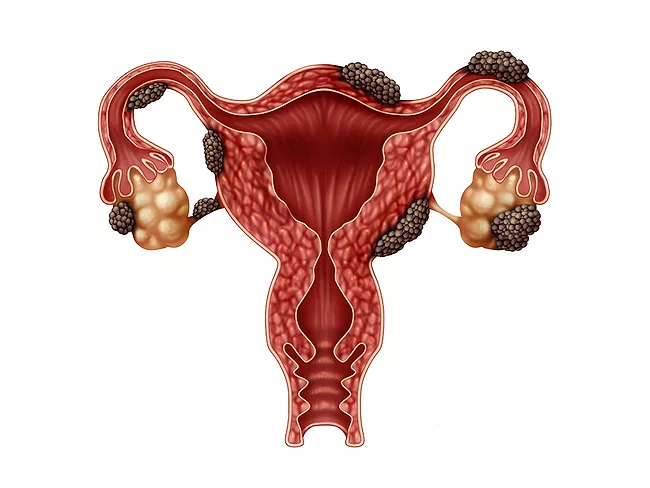
Lisata Therapeutics Inc. has entered into a sponsored research agreement with the University of Cincinnati to investigate Lisata’s novel cyclic peptide product candidate, certepetide, in combination with bevacizumab in a preclinical animal model for the treatment of endometriosis.

 RSS
RSS