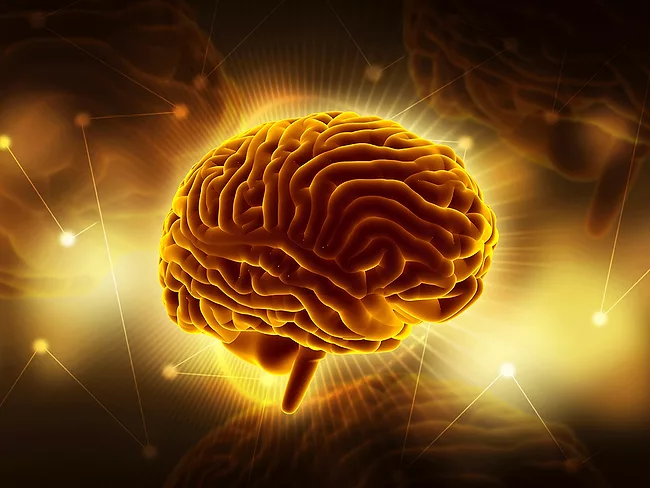
It has been previously demonstrated that the activation of spleen tyrosine kinase (SYK) contributes to processes that are central to the pathogenesis of neurodegenerative diseases, such as Alzheimer’s disease (AD) and Parkinson’s disease (PD).
TC Biopharm (Holdings) plc has announced plans to begin proof-of-concept preclinical studies for its lead therapeutic, TCB-008, for the treatment of mpox.
Multiple sulfatase deficiency (MSD) is a rare lysosomal storage disorder caused by pathogenic variants in the sulfatase modifying factor 1 gene (SUMF1). Researchers from the University of Pennsylvania described the efficacy of hematopoietic stem cell transplantation (HSCT) with ex vivo SUMF1 lentiviral gene therapy (SUMF1-GT) in a mouse model of MSD.
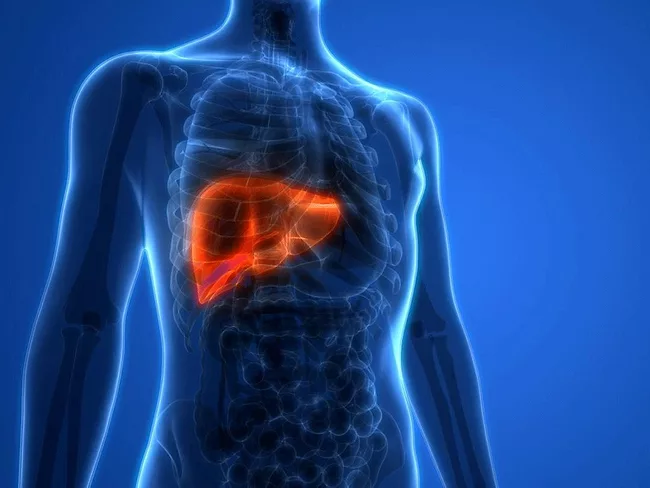
Researchers from Southern Medical University have divulged the discovery and preclinical characterization of novel PDE4 inhibitors for the treatment of hepatic sepsis. Synthesis and optimization of a series of 7-alkoxybenzofurans led to the identification of compound [I] as the lead PDE4 inhibitor, with PDE4B and PDE4D IC50 values of 10.0 and 15.2 nM, respectively.
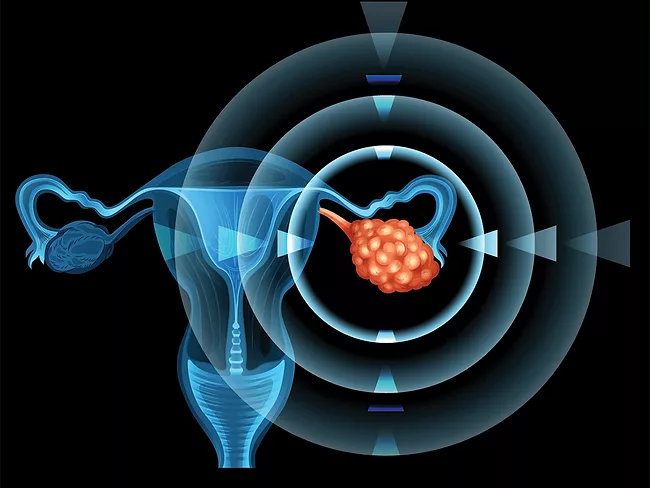
Bivictrix Therapeutics plc has announced promising initial in vivo data for BVX-002, its lead solid tumor bispecific antibody-drug conjugate (ADC) program. The preclinical study is investigating BVX-002 dosed once weekly, with a total of four doses given, in a murine xenograft model of ovarian cancer, using the human cell line OVCAR-3.
4M Therapeutics Inc. has released new preclinical data for its lead program, 4MT-2001, a novel small-molecule glycogen synthase kinase 3β (GSK-3β) inhibitor, demonstrating central nervous system (CNS) target engagement.
Pancreatic ductal adenocarcinoma (PDAC) is still one of the most aggressive cancers, with a high mortality rate among patients. Previous findings have pointed to chitinase 3-like 1 (CHI3L1) as being behind PDAC resistance to gemcitabine, and thus a promising therapeutic target.
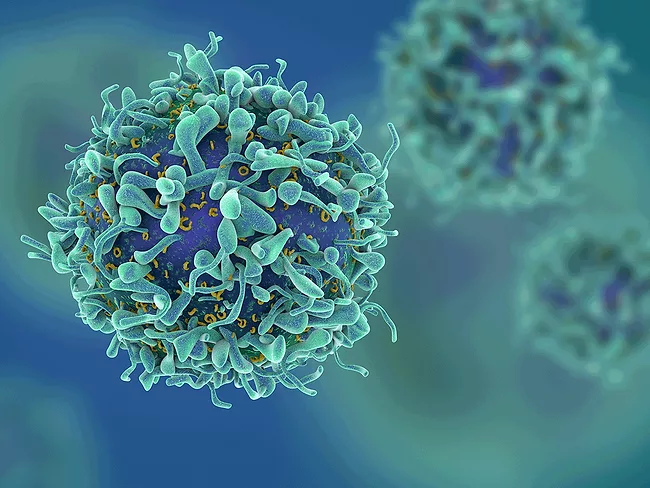
Immunotherapy based on T cells is the vanguard of cancer treatments. Researchers from Washington University in St. Louis have shown that similar approaches using T cells could be applied for treating injuries of the central nervous system (CNS). They reported their findings in Nature on Sept. 4, 2024.
 RSS
RSS