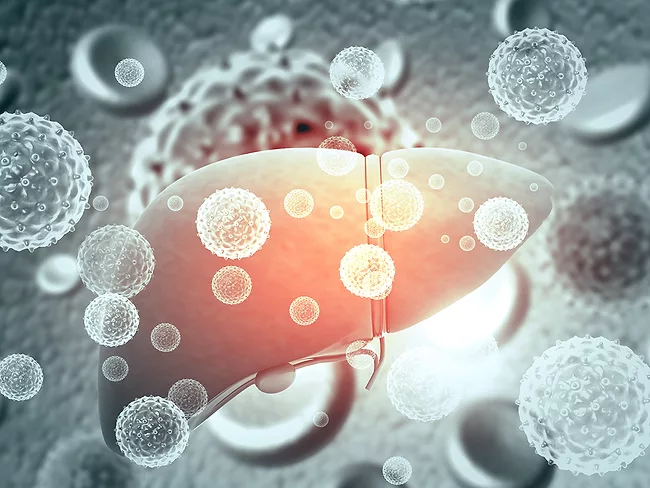
Concurrent infection with hepatitis B virus (HBV) and hepatitis delta virus (HDV) may lead to cirrhosis, fulminant hepatitis or hepatocellular carcinoma faster than infection with HBV alone.
The persistence of hepatitis B virus (HBV) covalently closed-circular DNA (cccDNA) and integration of HBV DNA into the hepatocytes lead to chronic HBV infection. Current therapies achieve long-term viral suppression but, as HBV cccDNA is not eradicated, lifelong treatment is needed.
Evopoint Biosciences Co. Ltd. has synthesized probable global transcription activator SNF2L2 (SMARCA2; BAF190B; SNF2-α) and/or transcription activator BRG1 (SMARCA4; BAF190A; SNF2-β) inhibitors reported to be useful for the treatment of cancer.
Parmedics Inc. has described proteinase-activated PAR2 receptor antagonists reported to be useful for the treatment of asthma, cancer, osteoarthritis, migraine, chronic pain, inflammatory and vascular disorders.
Beijing Primegene Therapeutics Co. Ltd. has divulged thioether compounds acting as transient receptor potential cation channel subfamily V member 3 (TRPV3) antagonists reported to be useful for the treatment of pain, pruritus, inflammation, fever, cystitis, irritable bowel syndrome, cough and alopecia.
Beijing Danatlas Pharmaceutical Technology Co. Ltd. has identified thiadiazolyl derivatives acting as DNA polymerase θ (POLθ, POLQ) inhibitors reported to be useful for the treatment of cancer.
Flagship Pioneering Innovations VI LLC has disclosed ADP-ribosyl cyclase/cyclic ADP-ribose hydrolase 1 (CD38) inhibitors reported to be useful for the treatment of fibrosis, nonalcoholic or metabolic dysfunction-associated steatohepatitis (NASH/MASH), Parkinson’s disease and cancer.
One in every 500 newborns worldwide are affected by nonsyndromic hearing loss (NSHL). Whole-exome sequencing may help in identifying the genetic cause of NSHL.
Bluesphere Bio Inc. has received FDA clearance of its IND application for BSB-1001 for patients with relapsed or refractory acute myeloid leukemia (AML), acute lymphocytic leukemia and myelodysplastic syndromes, in conjunction with allogeneic hematopoietic stem cell transplantation (alloHSCT).
Researchers from Sun Yat-sen University Cancer Center (SYSUCC) presented data from a study that aimed to assess the role of trophoblast cell-surface antigen-2 (TROP-2) in penile squamous cell carcinoma (PSCC).
 RSS
RSS