After sparking further interest from investors after the close of its series A, Vandria SA has extended the round and now has the means to advance its lead mitophagy inducer program as far as phase Ib/IIa development in the treatment of mild cognitive impairment.
Opna Bio AG has described transcriptional coactivator YAP1/transcriptional enhancer factor (TEAD) interaction inhibitors reported to be useful for the treatment of arrhythmogenic right ventricular cardiomyopathy, cancer, Holt-Oram syndrome, neurofibromatosis type 2, polycystic kidney disease and Alzheimer’s disease.
Enliven Therapeutics Inc. has divulged Raf kinase inhibitors reported to be useful for the treatment of cancer. An exemplified compound (Ex 5 [isomer B] pg 130) inhibited ERK phosphorylation in human melanoma A-375 cells (IC50=12.4 nM) in ELISA assays.
Researchers at De Montfort University and Loughborough University have identified trifluoroquinazolines acting as lysyl tRNA synthetase (KARS) inhibitors reported to be useful for the treatment of parasitic infections.
Rockefeller University has disclosed non-structural protein 3 (nsp3; PL-PRO) (SARS-CoV-2; COVID-19 virus) inhibitors reported to be useful for the treatment of SARS-CoV-2 infection (COVID-19).
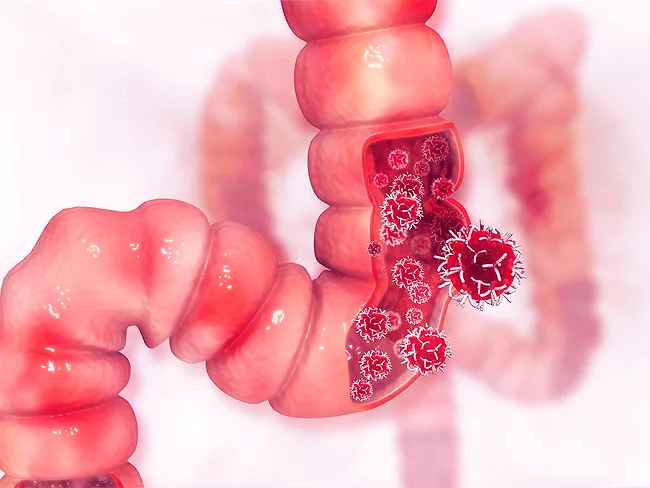
Resistance to radiotherapy is a crucial factor in the outcome of colorectal cancer (CRC). The Janus kinase/signal transducer and activator of transcription (JAK/STAT) signaling pathway plays a key role in cell growth, differentiation, proliferation and immune function.
In a presentation at the American Chemical Society meeting, Halda Therapeutics Inc. described its androgen receptor (AR)-targeting RIPTAC (regulated induced proximity targeting chimera) therapeutics as a new class of heterofunctional small molecules designed to selectively kill cancer cells that express tumor-specific targeting protein (TIP) into a stable intracellular ternary complex with a protein essential for cell survival for the treatment of prostate cancer.
The nucleotide-binding oligomerization domain-like receptor pyrin domain containing 3 (NLRP3) inflammasome is an intracellular multiprotein complex that may be activated by exogenous or endogenous signals and is involved in the pathogenesis of several inflammatory disorders.

 RSS
RSS