Pierre Fabre Laboratories (Pierre Fabre SA) has filed an IND application to the FDA to initiate a first-in-human trial with PFL-002 (VERT-002) for solid tumors, including non-small-cell lung cancer (NSCLC).
Epiendo Pharmaceuticals ehf and Alveolix AG have achieved significant milestones in their collaboration to advance the treatment of ulcerative colitis.
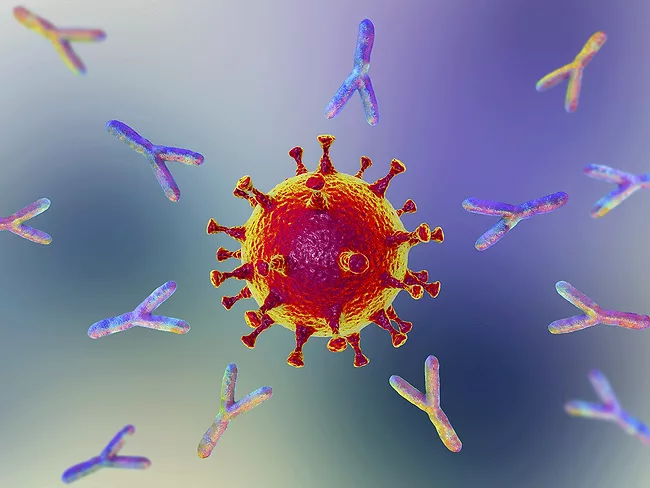
Exevir Bio BV has demonstrated that its antibodies are potent in neutralizing the SARS-CoV-2 variant JN.1, the parental strain of the currently most dominantly circulating variants worldwide.
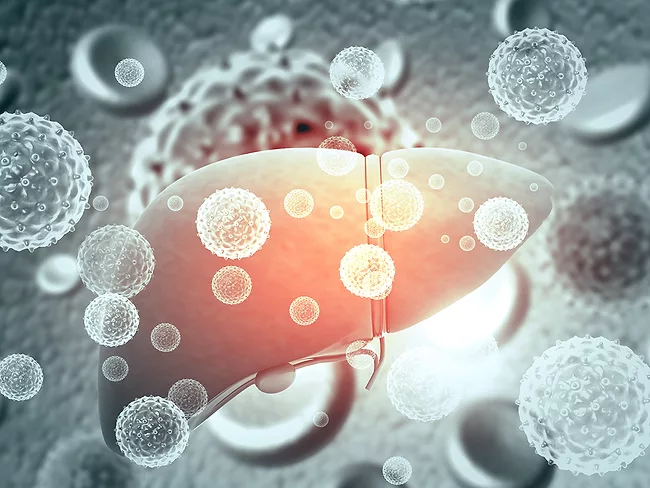
Concurrent infection with hepatitis B virus (HBV) and hepatitis delta virus (HDV) may lead to cirrhosis, fulminant hepatitis or hepatocellular carcinoma faster than infection with HBV alone.
The persistence of hepatitis B virus (HBV) covalently closed-circular DNA (cccDNA) and integration of HBV DNA into the hepatocytes lead to chronic HBV infection. Current therapies achieve long-term viral suppression but, as HBV cccDNA is not eradicated, lifelong treatment is needed.
Evopoint Biosciences Co. Ltd. has synthesized probable global transcription activator SNF2L2 (SMARCA2; BAF190B; SNF2-α) and/or transcription activator BRG1 (SMARCA4; BAF190A; SNF2-β) inhibitors reported to be useful for the treatment of cancer.
Parmedics Inc. has described proteinase-activated PAR2 receptor antagonists reported to be useful for the treatment of asthma, cancer, osteoarthritis, migraine, chronic pain, inflammatory and vascular disorders.
Beijing Primegene Therapeutics Co. Ltd. has divulged thioether compounds acting as transient receptor potential cation channel subfamily V member 3 (TRPV3) antagonists reported to be useful for the treatment of pain, pruritus, inflammation, fever, cystitis, irritable bowel syndrome, cough and alopecia.
Beijing Danatlas Pharmaceutical Technology Co. Ltd. has identified thiadiazolyl derivatives acting as DNA polymerase θ (POLθ, POLQ) inhibitors reported to be useful for the treatment of cancer.
 RSS
RSS