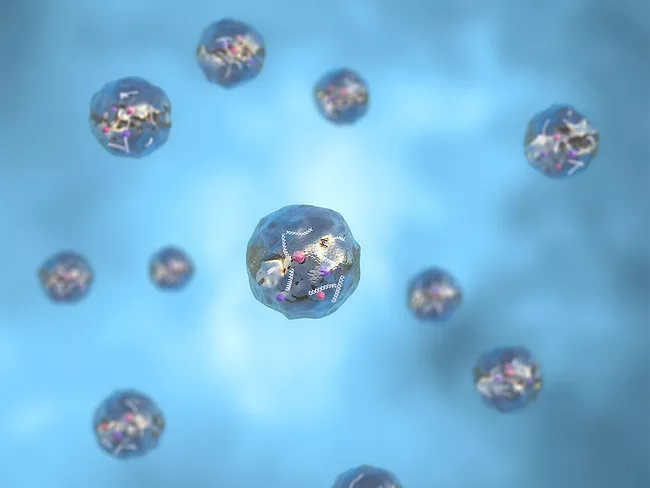
Researchers from Maze Therapeutics Inc. presented the discovery and preclinical characterization of MZ-101 as a potential candidate for the treatment of Pompe disease and other glycogen storage disorders.
The discovery of how proteins fold and what happens if they don’t, or do it wrong, has impacted medicine. Protein function and several pathologies depend on folding. Four scientists, Franz-Ulrich Hartl, Arthur Horwich, Kazutoshi Mori and Peter Walter, revealed the role of chaperones in assisting proteins to acquire their correct structure and described a failure warning system, the unfolded protein response (UPR). For their studies, the researchers will receive the 2024 Frontiers of Knowledge Award in Biology and Medicine from the BBVA Foundation.
Mycosis fungoides (MF) is the most frequent form of cutaneous T-cell lymphoma. Although there are therapeutic options for the management of MF, long-term remission or complete cure are difficult to achieve with current drugs in the clinical setting.
China Pharmaceutical University has synthesized kaurane tetracyclic diterpenoid derivatives acting as NLRP3 inflammasome inhibitors reported to be useful for the treatment of arthritis and skin disorders.
Capricor Therapeutics Inc.'s Stealthx exosome-based multivalent vaccine for the prevention of SARS-CoV-2 has been selected to be part of the U.S. Department of Health and Human Services' Project Nextgen initiative aimed at developing COVID-19 vaccines offering broader and more durable protection.
Researchers from the Chinese Academy of Sciences and collaborators reported on the discovery and preclinical characterization of JN-122, a potent spiroindoline derivative that showed a Ki value of 0.7 nM against MDM2.
Researchers from Sirnaomics Inc. presented preclinical evaluation of novel intravenous polypeptide nanoparticle designed to simultaneously deliver two siRNAs, silencing TGF-β and COX-2.
G-protein-coupled receptor 84 (GPR84) is an orphan G protein-coupled receptor (GPCR) mainly expressed in immune cells involved in inflammation, metabolic disorders, and cancer.
Calluna Pharma Inc., formed last year following the merger of Oxitope Pharma BV and Arxx Therapeutics AS, has raised €75 million (US$81.4 million) in a series A financing.

 RSS
RSS