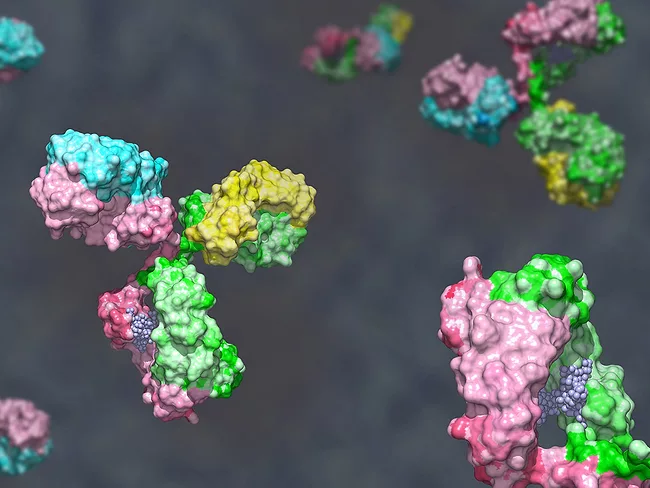
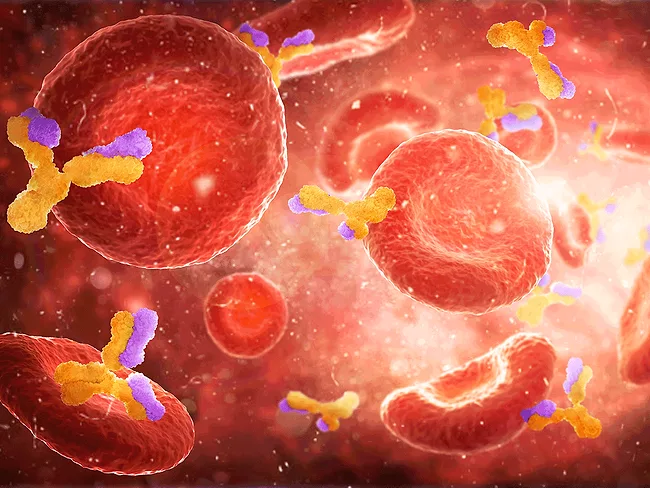
Work at Laekna Therapeutics Shanghai Co. Ltd. has led to the discovery of a potent leukocyte immunoglobulin-like receptor subfamily B member 1/2 (LILRB1/LILRB2) antagonistic bispecific antibody, LAE-111, with improved antitumor activity.
CAMK2B encodes calcium/calmodulin-dependent protein kinase type II subunit β, a kinase expressed in the brain that has an important role in synaptic plasticity. Genetic variations are associated with neurodevelopmental disorders.
Postera Inc. has announced a multitarget collaboration with Amgen Inc. that seeks to leverage Postera’s artificial intelligence (AI) platform, Proton, an innovation in generative chemistry and synthesis-aware design, and Amgen’s drug discovery expertise, to advance up to five small-molecule programs.
Kanna Health Ltd. has received clearances by the FDA and the U.K. Medicines and Healthcare products Regulatory Agency (MHRA) for its IND application and clinical trial application (CTA), respectively, to initiate a first-in-human phase I trial of KH-001 besylate (KH-001) for premature ejaculation.
Fractyl Health Inc. has expanded an academic-industry scientific partnership focused on advancing research on the role of the gut and pancreas in metabolic disease.
Nonreceptor tyrosine-protein kinase TYK2 plays key roles in the signaling of pro-inflammatory molecules such as IL-23, IL-12 or type I IFN, which at the same time play key roles in several immune-mediated diseases such as atopic dermatitis and psoriasis, among others.
It has been previously demonstrated that the two coding variants in the APOL1 gene (G1 and G2) are associated with a greater risk of progressive, proteinuric kidney disease; however, there currently are no therapies to address the causal genetic drivers of this disease. Researchers from Maze Therapeutics Inc. presented the discovery and preclinical characterization of a novel small-molecule inhibitor of APOL1, MZ-302, and they evaluated its efficacy in a new transgenic model of APOL1-mediated kidney disease (AKD).
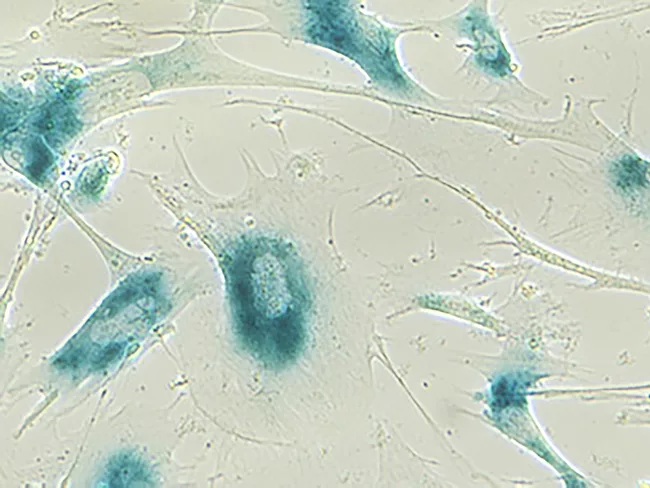
Researchers from the University of Queensland discovered that senolytic therapies can suppress long-COVID neuropathology and long-term disorders caused by viral infections by reducing senescent cells, thereby reducing inflammation. Published Nov. 13, 2023, in Nature, the study examined the use of human pluripotent stem cells to generate small mini human brain organoids to screen for antiaging interventions called senolytics that selectively eliminate senescent cells that accumulate with age, lead author Julio Aguado told BioWorld.
 RSS
RSS