C4x Discovery Holdings plc has prepared and tested mucosa-associated lymphoid tissue lymphoma translocation protein 1 (MALT1) inhibitors. As such, they are reported to be useful for the treatment of cancer, asthma, gout and psoriasis, among others.
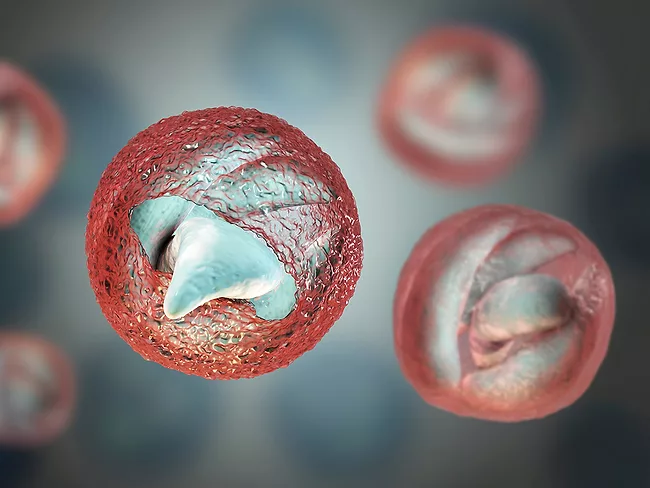
Cryptosporidiosis is a parasitic infection caused by Cryptosporidium where infected individuals develop profuse watery diarrhea and enteric symptoms such as abdominal pain. In immunocompromised or malnourished children, the infection may become chronic and lead to significant morbidity and mortality rates.
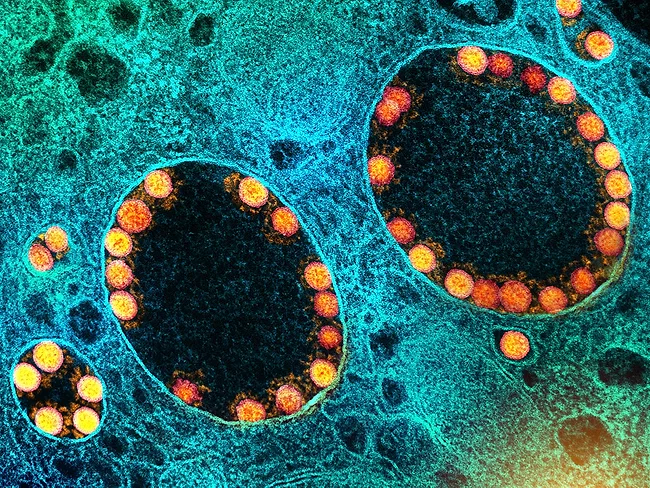
Viral proteases are well-established therapeutic targets in HIV and hepatitis C virus infections. Following the recent COVID-19 pandemic, one of the strategies in place is SARS-CoV-2 main protease (Mpro) inhibition, given the crucial role of SARS-CoV-2 Mpro in the replication of the virus.
Investigators from Beatson Institute for Cancer Research have published findings from a study that applied untargeted metabolic profiling to identify novel therapeutic targets for colorectal cancer (CRC). Genetically engineered mouse models and multimodal mass spectrometry-based metabolomics were used to analyze metabolic effects of common genetic mutations in CRC.
Hanchorbio Inc. and Shanghai Henlius Biotech Inc. have entered into a strategic framework agreement for collaboration to combine Hanchorbio’s protein engineering expertise and proprietary Fc-based designer biologics (FBDB) technology platform with Henlius’ integrated product development and commercialization capabilities.
Tscan Therapeutics Inc. has received FDA clearance of its IND application for TSC-203-A0201, a T-cell receptor (TCR)-engineered T-cell therapy (TCR-T) targeting preferentially expressed antigen in melanoma (PRAME). PRAME is expressed in melanoma and other solid tumors, including head and neck cancers and non-small-cell lung cancers. TSC-203-A0201 is specific for patients with HLA type A*02:01.
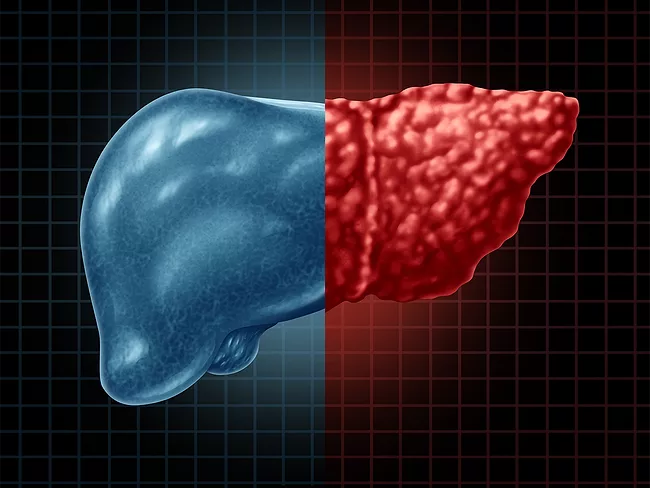
Nonalcoholic steatohepatitis (NASH) is a progressive form of nonalcoholic fatty liver disease with limited treatment options that can progress to more severe forms of liver damage such as cirrhosis or hepatocellular carcinoma. Targeting peroxisome proliferator-activated receptors (PPARs) with compounds such as elafibranor (GFT-505) is a feasible strategy for the prevention and treatment of NASH.
Researchers from Janssen Pharmaceutica NV have reported the discovery of novel hepatitis B virus (HBV) capsid assembly modulators (CAMs) as potential therapeutic candidates against HBV infection. Synthesis and optimization of a new series of di-fluoro azepane HBV CAMs resulted in the identification of compound [I] as the lead candidate with DNA EC50 value of 8.5 nM when assessed in the HepG2.2.15 cellular assay.
“I am not a fortune teller, nor am I a gambler. I will make no bets,” Lorraine Kalia told the audience at the 2023 International Congress of Parkinson’s Disease and Movement Disorders. “But I am optimistic.” At the meeting, which is being held in Copenhagen this week, Kalia, who is a scientist at Toronto Western Hospital’s Krembil Brain Institute and at the University of Toronto’s Tanz Centre for Research in Neurodegenerative Diseases, was giving an overview of “Emerging targets in the clinic” in a plenary session on “Therapeutic strategies for the future.”

 RSS
RSS