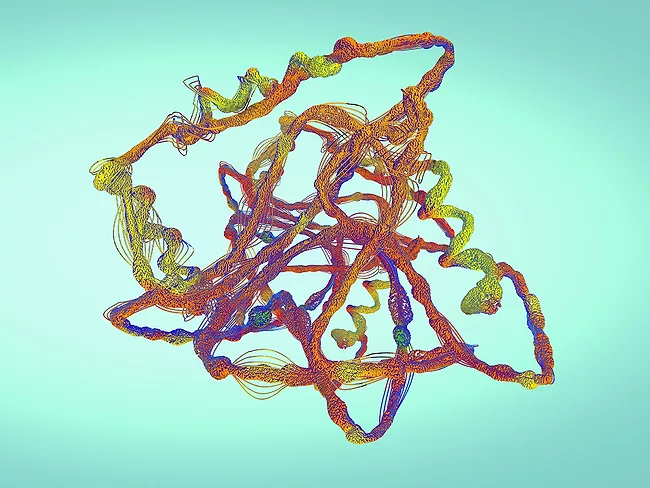
A project that started as a bioreactor to assist astronauts in deep space to keep medications safe in a microgravity environment could help pharma companies model how drugs behave in the human body. Omnigeniq unveiled at the J.P. Morgan Healthcare conference the first computer model of a human protein as it exists in the body, confirming that native protein topology can be calculated directly from physics.
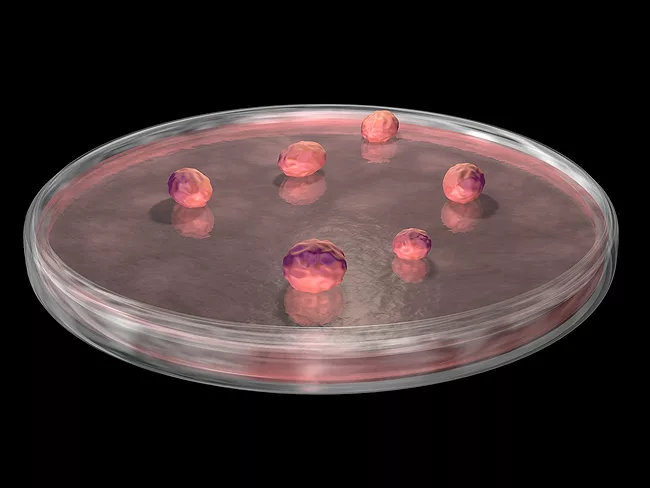
The variety of organoids that can be developed in vitro is enabling major advances. Depending on the type of tissues and the research goals, these small 3D cell-based structures that mimic real tissue offer certain advantages over animal models. Scientists at the University of Padova in Italy have created human neuromuscular organoids to reproduce cancer-induced muscle cachexia, a condition that murine models do not accurately replicate.
The use of DNA scaffolds could mark a turning point in HIV vaccine design. Scientists at Scripps Research and the Massachusetts Institute of Technology (MIT) have created a new vaccine platform based on DNA origami, a material that the immune system does not recognize as a threat, avoiding unwanted responses.
Galux closed a ₩42 billion (US$29 million) series B round Feb. 10, led by Yuanta Investment to bring AI-driven “rational design” to the protein drug development process, already heavily influenced by human engineering.
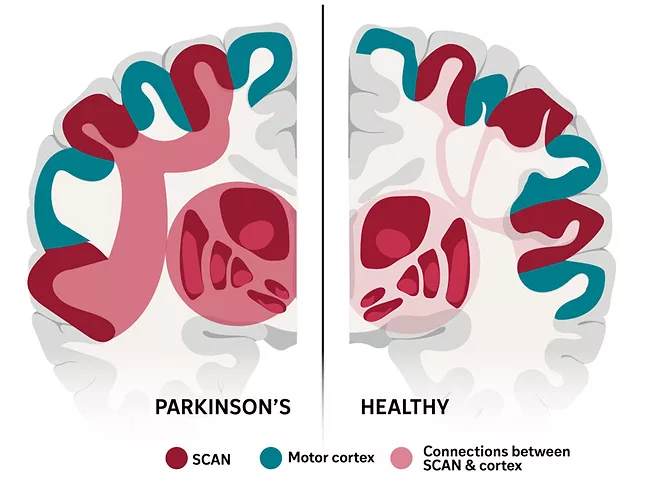
Parkinson’s disease (PD) is a neurodegenerative disorder that affects movement, and tremor is one of its signatures. But it is a much more wide-ranging disorder, and patients experience problems with cognitive and emotional processes as well. SCAN, the somato-cognitive action network identified in 2023, could reshape the definition of PD. Treating this circuit can improve outcomes.
Genentech Inc. is paying $200 million up front and up to $1.5 billion in milestone payments to license one of Suzhou Sanegene Bio Inc.’s RNAi programs. Metabolic and autoimmune-focused Sanegene did not disclose specifics around the licensed candidate, except that it was derived from its LEAD (Ligand and Enhancer Assisted Delivery) platform.
How much have AI applications learned, and how can one know their capabilities if they are being evaluated with an exam that is far too easy? In 2024, with the publication of the previous benchmark to measure AI performance, the field debated whether existing assessments would keep pace with the rapid progress of AI.
Google Deepmind is shedding light on the dark genome with its latest AI model, which is trained to decipher the 98% of DNA that does not code for proteins. Alphagenome is designed to predict how variants in the regulatory genome exert their effects on the expression of the genes they control.
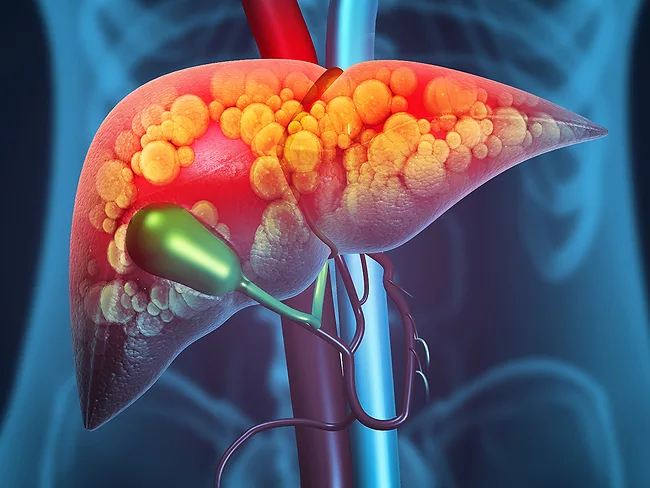
Liver fibrosis in the course of metabolic dysfunction-associated steatohepatitis (MASH) could be significantly reduced using CAR T-cells generated in vivo. Scientists at the Icahn School of Medicine at Mount Sinai have developed an experimental cell therapy that eliminates only one type of liver cell, the stellate cells that express fibroblast activation protein alpha (FAP). This strategy not only reduced fibrosis but also reversed liver damage.
A new method, based on gene editing with oligonucleotides and functional analyses, identifies which variants of DNA repair genes associated with Lynch syndrome are truly harmful and which are not. Scientists at The Netherlands Cancer Institute have developed this technique and classified these gene variants in both coding and noncoding regions, distinguishing those that are pathogenic from those that are benign.

 RSS
RSS


.webp?height=488&t=1750428815&width=650 "Interfering RNA (RNAi)")