Mucopolysaccharidosis type III (MPS III), also known as Sanfilippo syndrome, is a congenital metabolic disorder that leads to the accumulation of partially degraded heparan sulfate, which triggers neurodegeneration.
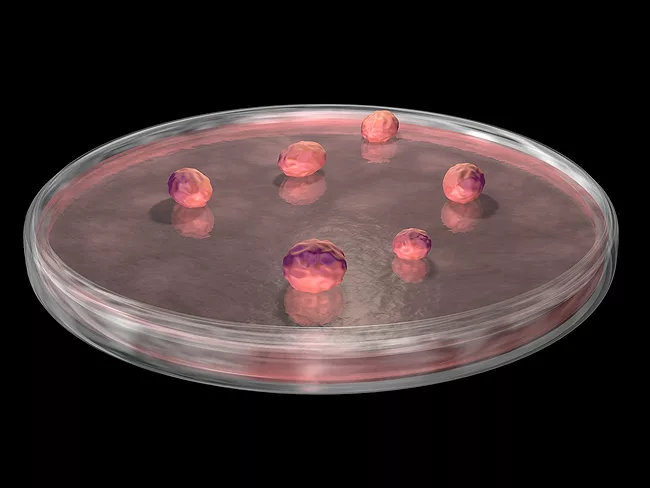
Organoids are 3D models created from human stem cells and resemble fetal tissues. In an article published in Nature Medicine on March 4, 2024, researchers from University College London provided details on the possibility of generating organoids from epithelial cells collected from amniotic fluid without terminating the pregnancy.
The National Institute of Neurological Disorders and Stroke (NINDS) has awarded a 3-year grant totaling approximately $4.1 million to the Research Institute at Nationwide Children’s Hospital to fund completion of preclinical studies, manufacturing and preparation of an IND application for a first-in-human trial to advance adeno-associated virus (AAV)-ATP7A gene therapy for the treatment of Menkes disease.
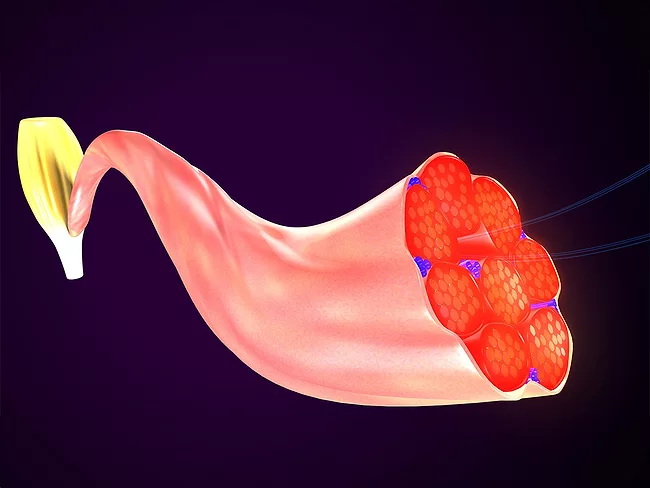
A male patient who harbored a deletion in the intron 7-exon 8 region of the dystrophin gene, DMD, was showing symptoms that matched with Becker muscular dystrophy.
Fibrocor Therapeutics Inc. has entered into a research and development collaboration with the Mcquade Center for Strategic Research and Development LLC (MSRD).
Organoids are 3D models created from human stem cells and resemble fetal tissues. In an article published in Nature Medicine on March 4, 2024, researchers from University College London provided details on the possibility of generating organoids from epithelial cells collected from amniotic fluid without terminating the pregnancy.
 RSS
RSS