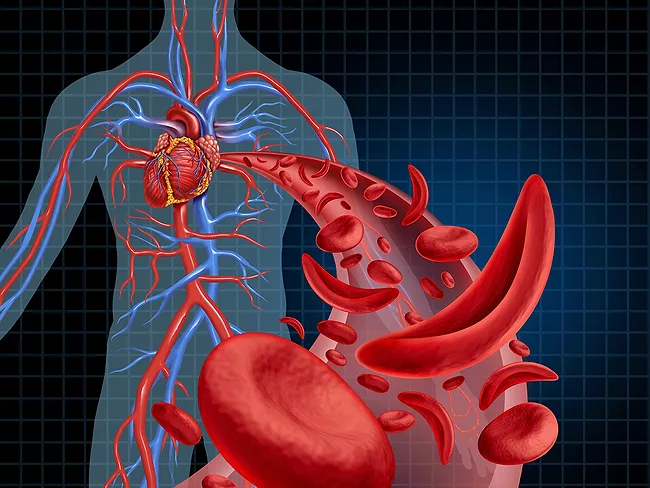
Modifying a patient’s DNA is no longer just for science fiction novels. The CRISPR gene editing technique developed by Jennifer Doudna and Emmanuelle Charpentier only took 10 years to reach the market as Casgevy (exagamglogene autotemcel/exa-cel, Vertex Pharmaceuticals Inc.), treating congenital pathologies such as β-thalassemia and severe sickle cell disease. But science does not stop.
Modifying a patient’s DNA is no longer just for science fiction novels. The CRISPR gene editing technique developed by Jennifer Doudna and Emmanuelle Charpentier only took 10 years to reach the market as Casgevy (exagamglogene autotemcel/exa-cel, Vertex Pharmaceuticals Inc.), treating congenital pathologies such as β-thalassemia and severe sickle cell disease (SCD). But science does not stop.
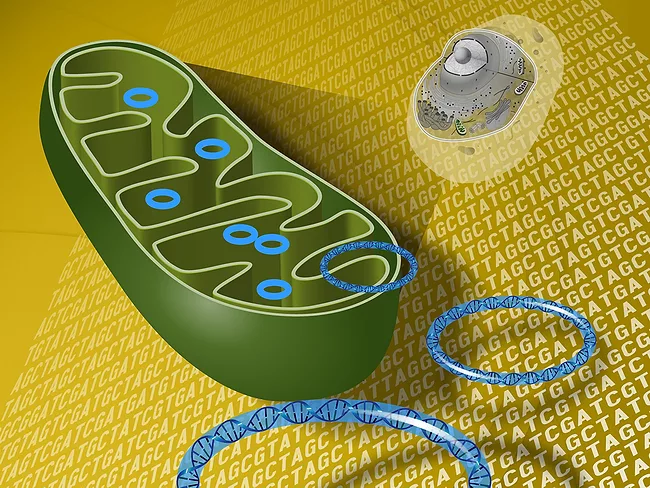
Although there are different methods of nuclear gene editing, there are still no effective treatments against mitochondrial disorders due to genetic alterations. Now, a group of researchers at Precision Biosciences Inc. and the University of Miami (UM) has developed a genetic edition platform that targets mitochondrial DNA (mtDNA) to delete its mutations.
“The ARCUS technology that we use is based on an enzyme found in nature called I-CreI. It is an enzyme that recognizes a 22 base pair DNA sequence within a species of green algae. And when it finds that DNA sequence, it will generate double-strand breaks,” first author Wendy Shoop, a scientist at Precision Biosciences, told BioWorld.
Spirits were high at the 2023 annual meeting of the American Society of Hematology (ASH), buoyed by the U.S. FDA approval of the first two gene therapies for sickle cell disease (SCD) the day before the conference kicked off in San Diego. The addition of gene therapy to the therapeutic arsenal for SCD is “phenomenal,” Adetola Kassim, director of the Adult Sickle Cell Disease Program and professor of medicine at the Vanderbilt-Ingram Cancer Center, told BioWorld. Nevertheless, at a Saturday, Dec. 9, session titled, “Improving Outcomes for Individuals with Sickle Cell Disease: Are We Moving the Needle?,” which Kassim chaired, the answer remained “maybe.”
It is known that heterozygous mutations in the HBB gene, which encodes β-globin, are the cause of inherited β-thalassemia. A new case report describes a novel frameshift mutation in the HBB gene leading to a dominant form of β-thalassemia.
Spirits were high at the 2023 annual meeting of the American Society of Hematology (ASH), buoyed by the U.S. FDA approval of the first two gene therapies for sickle cell disease (SCD) the day before the conference kicked off in San Diego. The addition of gene therapy to the therapeutic arsenal for SCD is “phenomenal,” Adetola Kassim, director of the Adult Sickle Cell Disease Program and professor of medicine at the Vanderbilt-Ingram Cancer Center, told BioWorld. Nevertheless, at a Saturday, Dec. 9, session titled, “Improving Outcomes for Individuals with Sickle Cell Disease: Are We Moving the Needle?,” which Kassim chaired, the answer remained “maybe.”
Korro Bio Inc. has nominated its first development candidate, KRRO-110, for the potential treatment of α1-antitrypsin deficiency. KRRO-110 is a proprietary RNA editing oligonucleotide delivered to liver cells using clinically validated LNP technology licensed from Genevant.
Spirits were high at the 2023 Annual Meeting of the American Society of Hematology (ASH), buoyed by U.S. FDA approval of the first two gene therapies for sickle cell disease (SCD) the day before the conference kicked off in San Diego.
The misassembly of transthyretin (TTR) into toxic amyloid aggregates leads to a variety of degenerative disorders known as TTR amyloidosis (ATTR). Researchers from the Universitat Autònoma de Barcelona and collaborators recently reported on the design and preclinical characterization of PITB, a TTR-selective kinetic stabilizer with potential for the treatment of ATTR.
Launching a company based on knowledge that “the fundamental principle that most people hold to be true is off by a trillion” is a rare opportunity, said Jake Rubens, co-founder and president of Quotient Therapeutics Inc., a company that emerged from stealth this week, backed by two years of platform development and a $50 million investment from Flagship Pioneering.
 RSS
RSS