The University of Minnesota has patented flavones having senolytic activity that are described as useful for the treatment of aging and Hutchinson-Gilford progeria syndrome.
Researchers from Fudan University and Southwest University published data from a study that detailed the development of a novel vertebrate model suitable for high-throughput screening of potential antiaging compounds.
The way the brain ages is not the same in women and men. A study in mice has observed differences in the expression of the maternal and paternal X chromosomes that could explain variation in brain aging between the sexes and a faster deterioration in some women. Another study has discovered different survival strategies in the microglial cells of females and males. Both studies highlight sex differences that could have implications for several age-related neurological disorders, such as Alzheimer’s or Parkinson’s.
Newco Linkgevity Ltd. has won backing from the KQ Labs accelerator program at the Francis Crick Institute in London, enabling it to take forward the lead program, an anti-necrotic drug for treating acute kidney injury, and to further develop its AI-driven system for identifying aging-related therapeutic targets. Alongside access to the Crick’s expertise in translational research and in shaping academic science to make it investible, companies joining KQ Labs receive an equity investment.
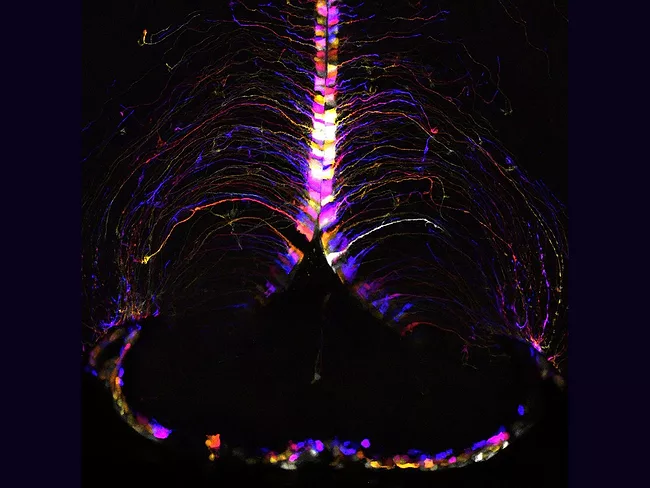
2024 saw the completion of several cellular-resolution brain maps, including the entire fly brain and a comprehensive connections map of a cubic centimeter of human brain. 2025 began with the addition of another important map. In the Jan. 1, 2025, issue of Nature, researchers from the Allen Institute presented a map of areas and cell types where aging most affected the mouse brain.
Around the end of every year, the media reports on pregnancy and women who give birth on the last and first days of the new year. They tell their stories, the names of their babies and the cities where they were born. While 2024 was coming to an end, gynecologists and other researchers finalized their publications to improve the health of women and their babies. The formation of the placenta or the study of preeclampsia are some of the first and last stories that greet and say goodbye to 2024. Those of 2025 will be born soon.
Hervolution Therapeutics ApS (formerly Inprother Aps) has announced a $11.7 million series A financing to support its work developing novel human endogenous retrovirus (HERV)-targeted immunotherapies to address diseases of aging.
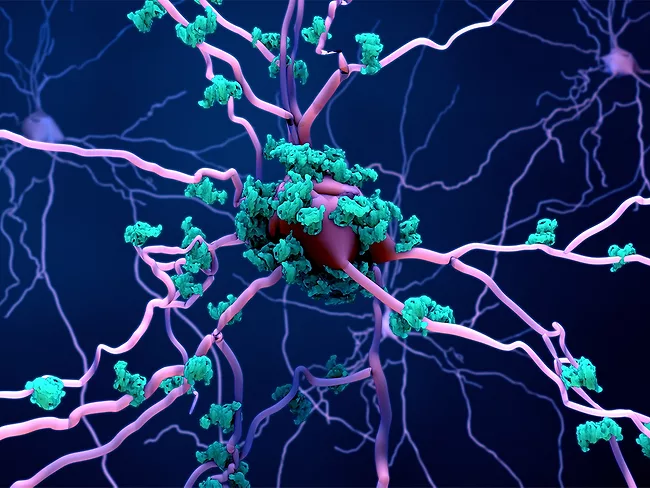
A ketone body, a molecule derived from the metabolism of acids to obtain energy when glucose is not available, could become an effective ally in treating Alzheimer’s or preventing the effects of aging on the brain. A group of scientists at the Buck Institute for Research on Aging have studied the role of β-hydroxybutyrate (βHB) as a signaling metabolite of misfolded proteins by interacting with them and altering their solubility, a mechanism that allows their elimination, as observed in preclinical models.
Telomir Pharmaceuticals Inc. has reported preclinical results from evaluation of Telomir-1 in Caenorhabditis elegans, a well-established model for aging studies. Telomir-1 is a novel small molecule designed to lengthen the DNA’s protective telomere caps, which are crucial in the aging process.
EA Pharma Co. Ltd. has described 2-amino-3-carboxymuconate-6-semialdehyde decarboxylase (ACMSD) inhibitors reported to be useful for the treatment of age-related issues, as well as inflammatory, metabolic, neurodegenerative, mitochondrial and renal diseases.

 RSS
RSS