Ironically, the first person to be diagnosed with what is now Alzheimer’s disease was missing its major risk factor. When she first began showing symptoms of dementia in 1901, Auguste Deter was not particularly old. Despite Deter’s case, aging is the largest risk factor for developing Alzheimer’s, by a large margin. But “geroscience has not been translated into drugs for Alzheimer’s disease,” Howard Fillit, Alzheimer’s Drug Discovery Foundation co-founder and chief scientific officer, told BioWorld. “We’re just starting to see that cross-fertilization now.” This first article of a three-part BioWorld series on Alzheimer’s disease looks at how a group of researchers, as well as some startups, are trying to approach Alzheimer’s via an aging lens.
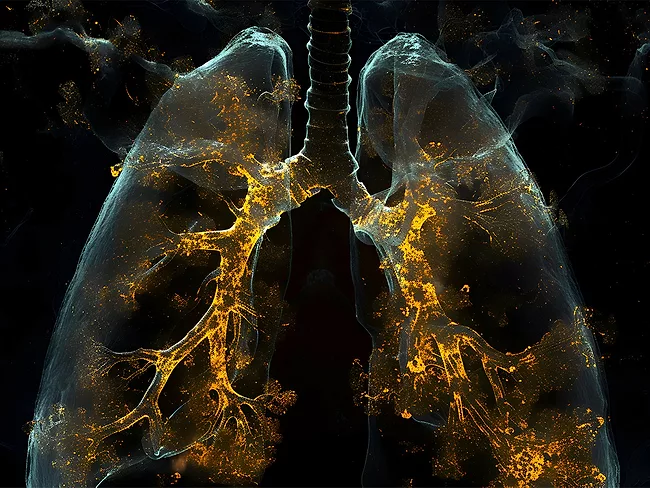
Deep learning algorithms have enabled the discovery of molecular structures of interest in biomedicine to design treatments against aggressive diseases such as idiopathic pulmonary fibrosis (IPF). Scientists at Insilico Medicine Inc. selected a target for IPF using artificial intelligence (AI), then designed an inhibitor to block it, and tested it in vitro, in vivo, and in clinical trials.
Senisca Ltd., a spinout from the University of Exeter, has raised an additional £3.7 million (US$4.7 million) in funding to support the development of RNA-based senotherapeutics to treat age-related disease.
The third day of the AD/PD 2024 conference in Lisbon started with a plenary lecture given by Professor Howard Fillit entitled, “Translating the biology of aging into new therapeutics for Alzheimer’s disease.” Fillit, a recognized neuroscientist and geriatrician, and co-founder of the Alzheimer’s Drug Discovery Foundation (ADDF), pointed to the geroscience hypothesis which postulates that targeting aging processes may result in preventive and therapeutic options for diseases of old age, including Alzheimer’s disease (AD).
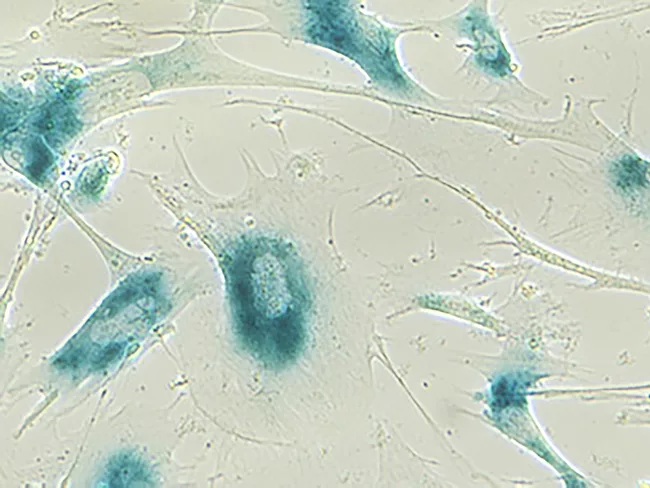
CAR T cells could be repurposed to target senescent cells and delay the effect of aging. A study by scientists at Cold Spring Harbor Laboratory showed how to design them and demonstrated the advantages of this therapy in mice. “We only gave one dose, and we could have benefits [for] really long periods of time,” lead author Corina Amor told BioWorld.
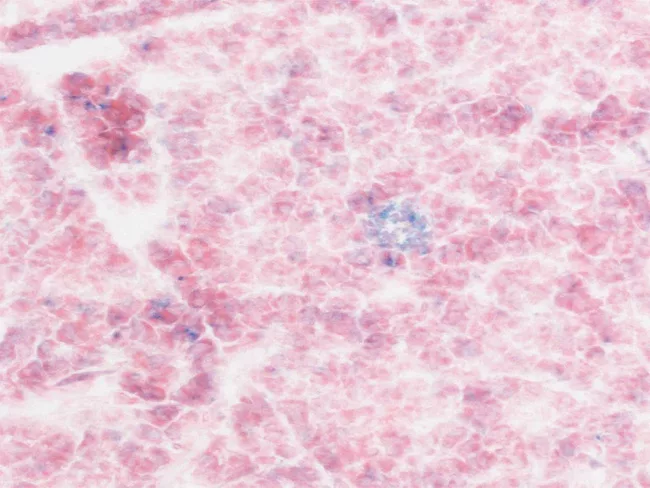
It has been previously demonstrated that genetic variability of thioredoxin reductase 1 (TXNRD1) is associated with aging and age-associated phenotypes. Researchers from MD Anderson Cancer Center have now conducted work to assess the role of TXNRD1 in regulating tissue aging.
Researchers from the University of Queensland discovered that senolytic therapies can suppress long-COVID neuropathology and long-term disorders caused by viral infections by reducing senescent cells, thereby reducing inflammation. Published Nov. 13, 2023, in Nature, the study examined the use of human pluripotent stem cells to generate small mini human brain organoids to screen for antiaging interventions called senolytics that selectively eliminate senescent cells that accumulate with age, lead author Julio Aguado told BioWorld.
A new derivative of coumarin, a natural plant product abundant in cinnamon, could hold the key to healthy aging. Researchers at the Buck Institute have shown that it extended life span and prevented neurodegenerative disease in worms and mice. The drug, a TFEB gene inducer called MIC, promoted mitochondria recycling (mitophagy) but also interacted with lysosomes, which could have multiple applications. The scientists published the results of this aging and mitophagy study on Nov. 13, 2023, in Nature Aging.
The U.S. Department of Health and Human Services, through the Advanced Research Projects Agency for Health (ARPA-H), has awarded up to $37 million in funding to the Thymus Rejuvenation project, led by Thymmune Therapeutics Inc.
Lipids are “very diverse, but also vastly understudied,” Anne Brunet told the audience at the recent meeting on Aging Research and Drug Discovery. Advances in the ability to predict protein structures have fueled a much better understanding of the human proteome and its estimated 20,000 members. The lipidome is much larger, numbering maybe 100,000 total. And what those lipids do remains much more fuzzy. “Very little is known about their function, and especially their function during aging,” Brunet said. Slowly, however, technological advances are enabling researchers to understand the roles of lipids as well.
 RSS
RSS