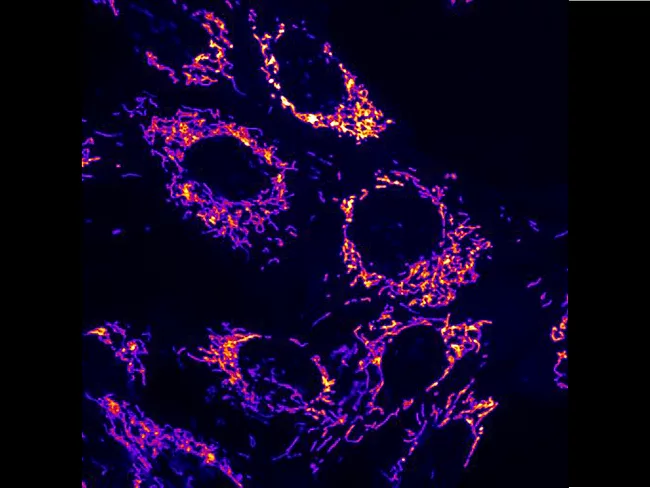
A new derivative of coumarin, a natural plant product abundant in cinnamon, could hold the key to healthy aging. Researchers at the Buck Institute have shown that it extended life span and prevented neurodegenerative disease in worms and mice. The drug, a TFEB gene inducer called MIC, promoted mitochondria recycling (mitophagy) but also interacted with lysosomes, which could have multiple applications. The scientists published the results of this aging and mitophagy study on Nov. 13, 2023, in Nature Aging.
The U.S. Department of Health and Human Services, through the Advanced Research Projects Agency for Health (ARPA-H), has awarded up to $37 million in funding to the Thymus Rejuvenation project, led by Thymmune Therapeutics Inc.
Lipids are “very diverse, but also vastly understudied,” Anne Brunet told the audience at the recent meeting on Aging Research and Drug Discovery. Advances in the ability to predict protein structures have fueled a much better understanding of the human proteome and its estimated 20,000 members. The lipidome is much larger, numbering maybe 100,000 total. And what those lipids do remains much more fuzzy. “Very little is known about their function, and especially their function during aging,” Brunet said. Slowly, however, technological advances are enabling researchers to understand the roles of lipids as well.
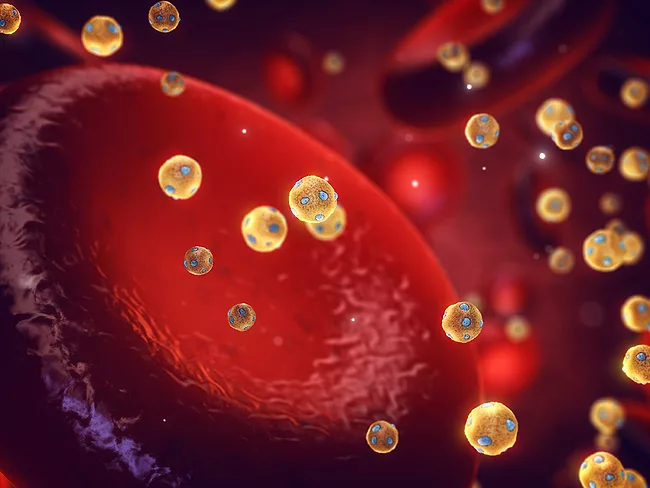
Researchers have demonstrated that inhibiting mitophagy in ‘old’ hematopoietic stem cells (HSCs) completely restored their blood reconstitution capabilities, raising the prospect of addressing the age-related weakening of the immune system that stems from HSCs deteriorating over time.
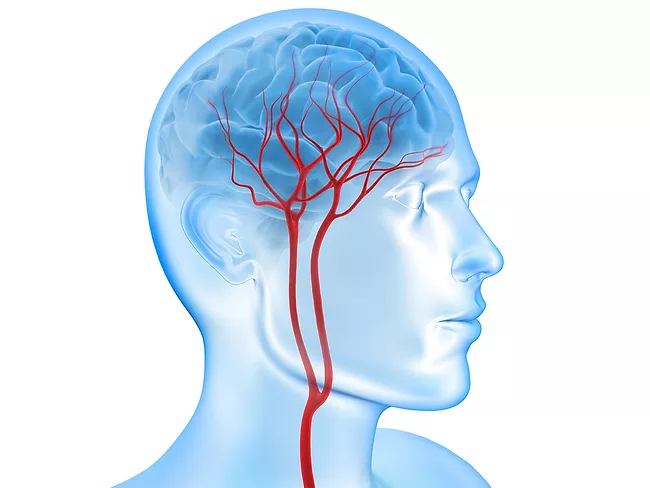
Throughout the body, the vasculature and the nervous system are fellow travelers. Renaissance physician and anatomist Andreas Vesalius described their proximity on the macroanatomical level in the 16th century, and modern microscopic techniques have shown that it extends into the micrometer range – where there is a blood vessel, there is often a nerve nearby, and vice versa.
“Change is the only constant” is an ageless truth. In the search for age-related biomarkers, it is also a prosaic confounding factor. Age-related biomarkers will be critical for the development of antiaging therapeutics. “Nobody is planning to do a life span study in humans,” Eric Verdin told the audience at the 10th Conference on Aging Research and Drug Development in Copenhagen on Monday. “Hence the need for … surrogate markers.” And “we are not there … we are actually quite far from there.”
Scientists have discovered that a small chemokine protein released by activated platelets, platelet factor 4 (PF 4), reduced neuroinflammation, and improved cognition in aged mice. The study was published on Aug. 16 in the online edition of Nature.
Swiss researchers have gained new insights into the relationship between aging, inflammation, neurodegeneration and cognitive decline. EPFL professor Andrea Ablasser and her team showed that brain aging was driven by microglial activation of the cGAS/STING pathway.
An oral drug has shown promise for treating metabolic syndrome in mouse models by selectively blocking the production of free radicals in the mitochondria, a research group has found. The study, carried out by a group led by Martin Brand, Professor Emeritus at the Buck Institute for Research on Aging, could lead to treatments that tackle the underlying causes of metabolic syndrome and multiple other conditions linked to aging.
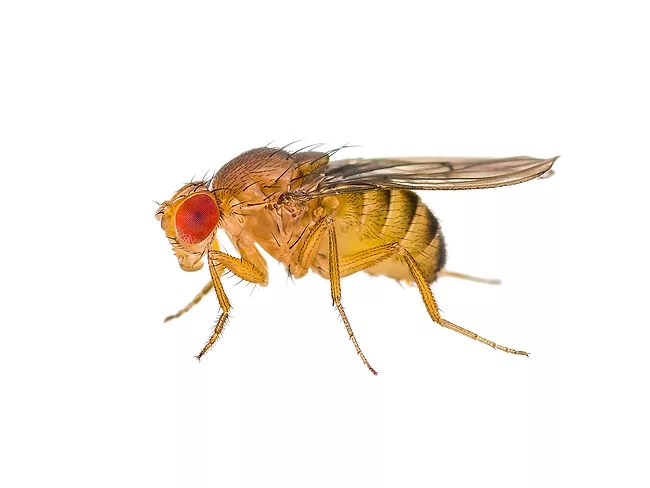
The unprecedented rise in life expectancy has made advances in the understanding of biological hallmarks of aging, at both the molecular and cellular levels, essential. A joint effort between Baylor College of Medicine, Genentech Inc., Stanford University and collaborating institutions has led to the release of the first Aging Fly Cell Atlas (AFCA) as a result of a deep dive analysis of 163 different cell types in Drosophila melanogaster, the common fruit fly.
 RSS
RSS