Generating gametes from nonreproductive tissues could help overcome infertility. Previous studies have successfully transformed stem cells into viable oocytes through cellular reprogramming. Scientists at Oregon Health & Science University (OHSU) developed a method to derive them from skin cells via somatic cell nuclear transfer (SCNT), unlocking a mechanism that blends mitosis and meiosis. Now, the researchers have taken another step forward by generating fertilizable eggs from human skin cells.
Is there a link between cellular senescence and multiple sclerosis (MS) progression? Several presentations at this year’s European Committee for Treatment and Research in Multiple Sclerosis 2025 (ECTRIMS 2025) conference, which ends today in Barcelona, addressed this question.
Experts agree that the earlier Alzheimer's disease is detected, the sooner action can be taken. And so, the key to preventing deterioration is identifying the most effective early biomarkers, those that can spot the disorder and help halt its progression. Recent advances in the field have pushed a new era of early detection through blood-based biomarkers and personalized medicine strategies based on each patient’s genetic, immunological and clinical profile.
Tolerance Bio Inc. and Zipcode Bio have established a strategic research and development collaboration aimed at pioneering novel delivery methods for targeted thymus therapeutics.
“The impoverished laboratory environment in which mice and rats are maintained has been very good at increasing experimental replicability,” Steven Austad told the audience at the 12th Aging Research & Drug Discovery Meeting (ARDD) in Copenhagen last week. “But at the cost of sacrificing translational relevance.”
Minovia Therapeutics Ltd. has announced a $350,000 grant from Countdown for a Cure for a research proposal related to the development of novel mitochondrial blood-based biomarkers.
Aging is marked by a gradual decline in body function, partly driven by the buildup of senescent cells. These cells stop dividing but release a mix of inflammatory and tissue-remodeling factors, known as the senescence-associated secretory phenotype (SASP).
At the 12th Aging Research & Drug Discovery (ARDD) Meeting, which is being held this week in Copenhagen, Life Biosciences Inc. announced that it is developing its partial epigenetic reprogramming technology for liver disease as well as optic neuropathies. The company’s chief scientific officer Sharon Rosenzweig-Lipson estimated that its ER-100 would enter clinical trials in early 2026, putting it on track to be the first application of partial epigenetic reprogramming to enter the clinic.
The difference between the origin of Alzheimer's disease (AD) and its symptoms is an obstacle to finding effective treatments. Scientists focused on amyloid-β (Aβ) plaques and tau aggregates to slow neurodegeneration and cognitive decline. Without identifying what causes AD, approved treatments do not provide much benefit. However, new findings suggest that restoring lithium levels in the brain could prevent and treat AD. Not just any lithium would work, just the forms that do not bind to Aβ.
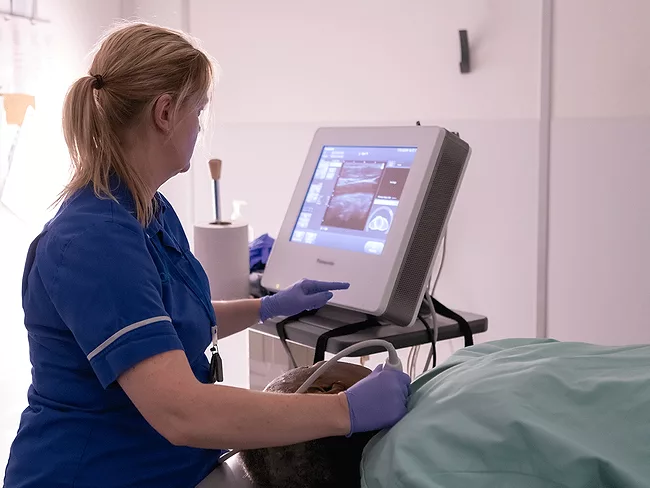
After a 10-year project and a £60 million (US$80 million) investment, the UK Biobank has completed the whole body scans of 100,000 volunteers and is making the 1 billion images available for researchers worldwide.
 RSS
RSS