Telomir Pharmaceuticals Inc. has reported preclinical results from evaluation of Telomir-1 in Caenorhabditis elegans, a well-established model for aging studies. Telomir-1 is a novel small molecule designed to lengthen the DNA’s protective telomere caps, which are crucial in the aging process.
EA Pharma Co. Ltd. has described 2-amino-3-carboxymuconate-6-semialdehyde decarboxylase (ACMSD) inhibitors reported to be useful for the treatment of age-related issues, as well as inflammatory, metabolic, neurodegenerative, mitochondrial and renal diseases.
Researchers from the University of Maryland in collaboration with the National Institutes of Health (NIH) and Duke University have identified angiopoietin-2 (Ang2) as a targetable protein to reverse cardiovascular dysfunction in Hutchinson-Gilford progeria syndrome (HGPS).
Caraway Therapeutics Inc. patents describe new mucolipin (MCOLN; TRPML) activators reported to be useful for the treatment of aging, cancer, ciliopathies, glycogen and lysosomal storage diseases, macular degeneration, neurodegeneration and autosomal dominant polycystic kidney.
Integrated Biosciences Inc. has closed a $17.2 million seed financing to support its work combining synthetic biology and artificial intelligence (AI)-driven small-molecule drug discovery to produce next-generation therapeutics targeting age-related diseases.
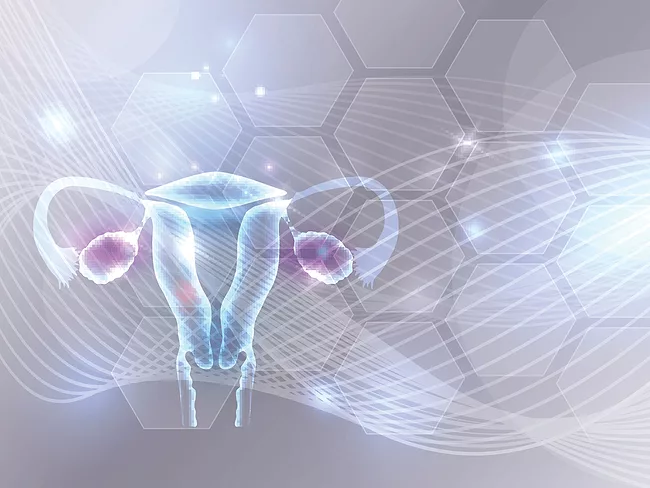
By treating mice with antifibrotic drugs, researchers were able to stave off functional decline of the ovaries. Six weeks of systemic treatment with the antifibrotic pirfenidone, which is approved for the treatment of idiopathic pulmonary fibrosis, in early middle age improved both the morphology and the endocrine function of the animals’ ovaries at 1 year of age.
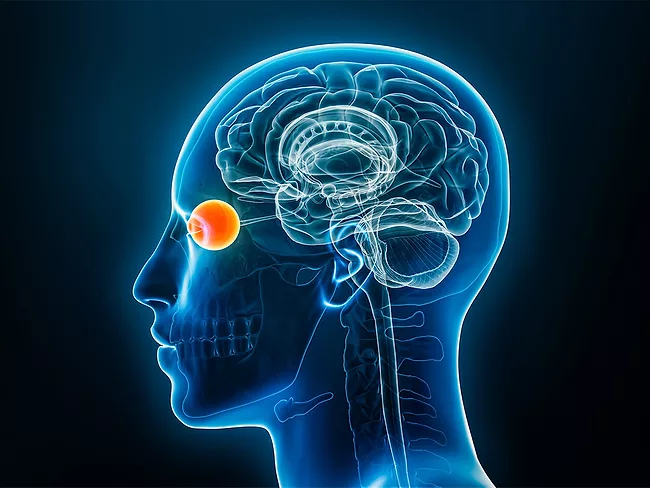
A novel gene therapy that leads to cellular rejuvenation could restore vision after non-arteritic anterior ischemic optic neuropathy (NAION) and glaucoma. The technique is based on a reprogramming process that reverses the epigenetic DNA alterations caused by aging. Preclinical studies in glaucoma mice and nonhuman primates (NHP) models for this stroke-like disorder that affects the eye, showed an improvement of vision and restoration of the damaged axons of the optic nerve.
Immortality and eternal youth have been the stuff of myths and legends from ancient times on. Now, in the 21st century, real studies of current medicine could be applied to repair tissues and organs damaged by age. During the 11th Aging Research & Drug Discovery (ARDD) Meeting held at the University of Copenhagen at the end of August, scientists explained the molecular keys of rejuvenation, as many artists imagined in the past.
Aging is part of the life cycle and, although the effects are not manifest until after adulthood, it actually occurs from birth. The concept of senescence has traditionally been associated with aging. However, an embryo has senescent cells. In that case, what is aging, how can it be measured, and from what point in the life cycle?
Since the publication of The Hallmarks of Aging in 2013, aging research has exploded. The field now has more than 300,000 articles on the biological signals of the effect of time on the body. What would Marty McFly, the legendary character from the Back to the Future saga who traveled with his DeLorean time machine from the ‘80s to the ‘50s, think if he visited 2024 and saw laboratories experimenting with techniques to turn back the biological clocks of cells or increase the lifespan of rejuvenated mice?
 RSS
RSS