South Korea is moving ahead with its biggest reform of drug review and pricing in more than a decade, reflecting a wider shift across Asian markets to reward innovation and tighten controls on generics.
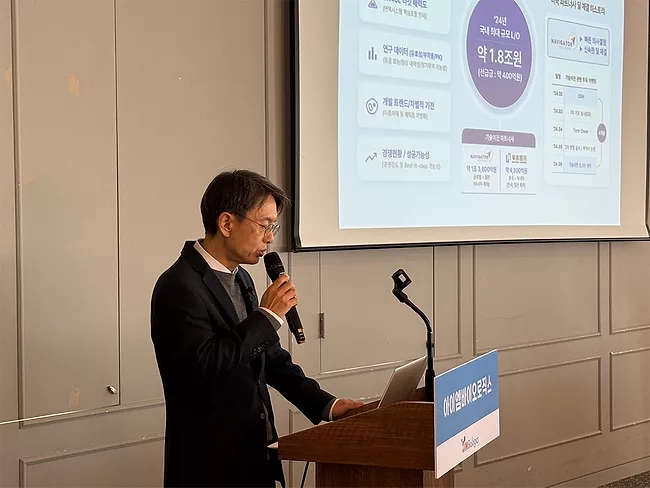
Daewoong Pharmaceutical Co. Ltd. announced after South Korean market hours May 21 that it gained successive rights to Turn Biotechnologies Inc.’s mRNA-based cellular rejuvenation platform from Hanall Biopharma Co. Ltd.
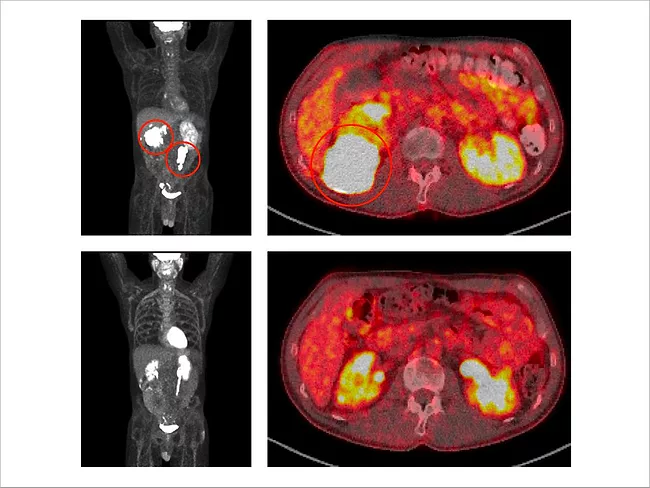
Deep molecular advances are enabling precision medicine for the field of hematology, Wyndham Wilson said during a plenary session at the 2026 Korean Society of Hematology International Conference March 26.
Braveheart Bio Inc. reported positive results from an open-label randomized phase II dose-ranging study of BHB-1893 (HRS-1893) in obstructive hypertrophic cardiomyopathy. Results presented at the American College of Cardiology’s Annual Scientific Session and Expo in New Orleans showed BHB-1893 treatment was associated with rapid and substantial reductions in left ventricular outflow tract gradient, the primary endpoint of the study.
Two biotech and three med-tech companies are slated for Kosdaq debuts this month, signaling a potential rebound for Korea financings in 2026. Kanaph Therapeutics Inc. will open with a ₩40 billion (US$26.99 million) raise and Imbiologics Corp. will debut with ₩52 billion. Additionally, Mezoo Co. Ltd., Cosmo Robotics Co. Ltd. and Recensmedical Inc. will launch IPOs.
The K-health MIRAE Initiative, also known as Korean ARPA-H, announced plans to allocate about ₩162 billion (US$110 million) in nine new projects over the next five years, with a focus on strengthening national health security.
Taiwan plans to invest NT$24 billion (US$752 million) over four years to bolster national biosecurity, expand domestic pharmaceutical production and safeguard against global supply chain volatility.
Innovacell Inc. launched a ¥14.16 billion (US$91.2 million) stock sale on the Tokyo Stock Exchange Feb. 24, ending a near two-year lull of biotech listings in Japan while signaling a dynamic year ahead for cell-based therapeutics.
Japan is backing conditional approvals of Amchepry (raguneprocel, Sumitomo Pharma Co. Ltd./Racthera Co. Ltd.) and Reheart (Cuorips Inc.), positioning them to become the world’s first induced pluripotent stem cell-derived (iPSC) therapies to receive regulatory clearance.
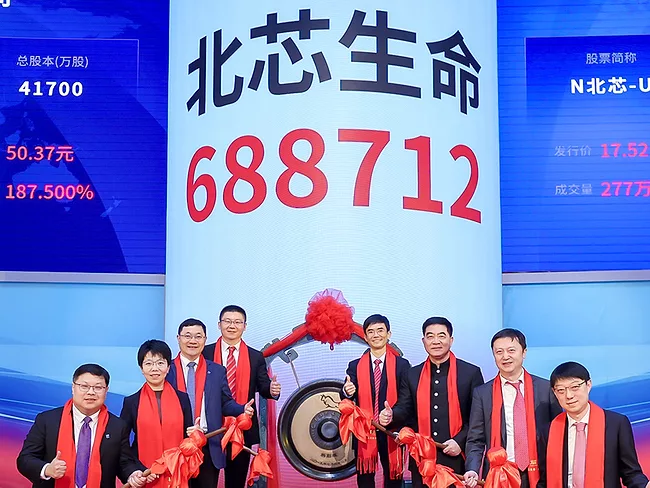
Insight Lifetech Co. Ltd. listed on the Shanghai Stock Exchange’s STAR market via an unprofitable biotech track reinstated last year, with the Feb. 5 IPO raising ¥998.64 million (US$143.93 million).
 RSS
RSS