Orum Therapeutics Inc. on April 26 pulled the plug on a U.S.-based phase I study of ORM-5029, its lead oncology degrader antibody conjugate (DAC) asset, a decision that came months after the company first reported a patient death in November 2024.
“Just simply getting old, from age 50 to 75, increased risk for Alzheimer’s disease by 100-fold, which really dwarfed 10-fold increase in risk, conferred by all known risk factors combined, including APOE genotype, being a female, hypertension, smoking, physical inactivity and diabetes.
A large-scale study has revealed the impact of germline variants on proteins in 10 cancer types. Scientists from the National Cancer Institute’s Clinical Proteomic Tumor Analysis Consortium (CPTAC) conducted a precision proteogenomic analysis in a pan-cancer study with data from 1,064 patients, identifying tumor heterogeneity and tumorigenesis associated with heritable genetic alterations.
“Just simply getting old, from age 50 to 75, increased risk for Alzheimer’s disease by 100-fold, which really dwarfed 10-fold increase in risk, conferred by all known risk factors combined, including APOE genotype, being a female, hypertension, smoking, physical inactivity and diabetes. And this trend stays true for almost all chronic diseases,” Yousin Suh told her audience earlier this week during a talk for the NIH Director’s Wednesday Afternoon Lecture Series.
On Jan. 21, economist Jay Bhattacharya spoke publicly for the first time since becoming the current NIH director, addressing the NIH Council of Councils in an open session. The goal of Bhattacharya’s remarks seemed to be to reassure troubled staffers. His reassurances, however, were given in the face of another blow to NIH research.
A large-scale study has revealed the impact of germline variants on proteins in 10 cancer types. Scientists from the National Cancer Institute’s Clinical Proteomic Tumor Analysis Consortium (CPTAC) conducted a precision proteogenomic analysis in a pan-cancer study with data from 1,064 patients, identifying tumor heterogeneity and tumorigenesis associated with heritable genetic alterations. The results provide a broad view of cancer risk that could be useful for patient stratification and the design of prevention strategies.
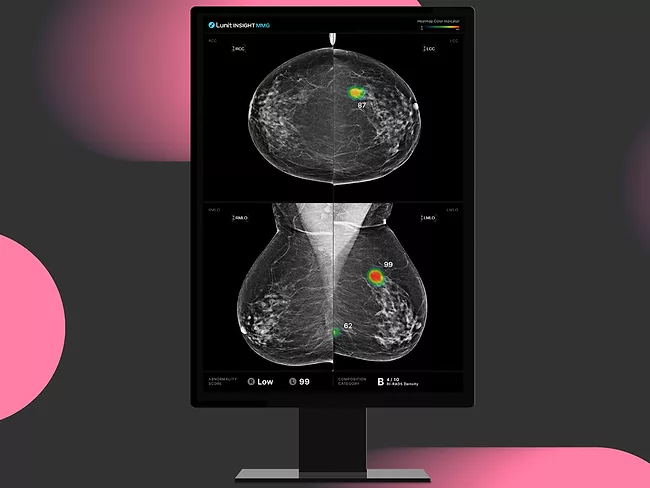
AI could significantly improve the value of patient recalls following mammography, but so far radiologists seem reluctant to rely on computer-aided readings. Radiologists tend to trust their own judgment – and that of their colleagues – in mammogram readings far more than AI-based diagnostics, even when the AI is much more accurate, a prospective trial analysis published in Radiology by Karolinska Institutet researchers found.
Sumitomo Pharma Co. Ltd. announced that it will sell off two more of its subsidiaries, Sumitomo Pharma (China) Co. Ltd. and Sumitomo Pharma Asia Pacific Pte. Ltd. (and their subsidiaries), to Marubeni Global Pharma Corp. April 1, as the Japanese pharma continues restructuring efforts from last year.
Women have substantially greater relative risk of major adverse cardiovascular events associated with a variety of plaque measures assessed by Cleerly Inc.’s AI-enhanced quantitative coronary computed tomography than men, an post hoc analysis of the CONFIRM2 trial found.
“Men in general have been playing golf for a longer time – in those old boy networks we still haven’t tapped into.” It may seem far-fetched, but that is put forward as a reason for underinvestment in women’s health companies. The argument goes that women heading women’s health startups find it hard to raise money because their networks are weaker, making it harder to tap into investment networks.

 RSS
RSS