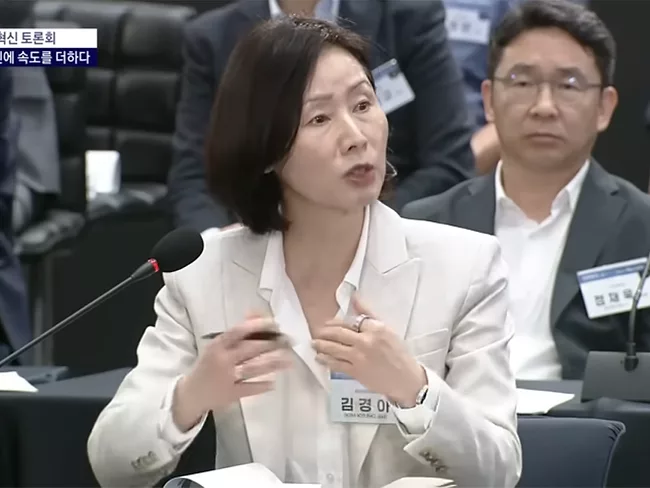
South Korea’s Ministry of Food and Drug Safety announced Sept. 12 plans to significantly raise drug application fees for biosimilars but slash their review times starting next year.
Just three days before the U.S. CDC’s reconstituted Advisory Committee for Immunization Practices (ACIP) is scheduled to discuss and possibly vote on the COVID-19, hepatitis B and MMRV vaccines, Health and Human Services Secretary Robert Kennedy added five new members to the panel.
China was already making strides to lead the biotechnology industry in many key areas such as cell therapies and AI, but the chaotic nature of the Trump administration and the turmoil in the U.S. has catapulted China’s status as a more “dependable” partner, presenters said during the Bio Hong Kong conference, Sept. 10 to 13.
It took a memo from the president for the U.S. FDA to begin reining in direct-to-consumer prescription drug advertising with its feel-good messaging and hurried recitation of a few serious adverse events.
Speaking at a Sept. 9 media briefing on the newly released Make America Healthy Again Strategy, U.S. Health and Human Services Secretary Robert Kennedy confirmed what could be the worst fears of many vaccine experts.
It took a memo from the president for the U.S. FDA to begin reining in direct-to-consumer prescription drug advertising with its feel-good messaging and hurried recitation of a few serious adverse events.
The European Commission (EC) posted a call for evidence regarding its intent to “simplify EU rules” for medical technology with a comment period that began Sept. 8, 2025. Stakeholders almost immediately flooded the docket with recommendations.
Speaking at a Sept. 9 media briefing on the newly released Make America Healthy Again Strategy, U.S. Health and Human Services Secretary Robert Kennedy confirmed what could be the worst fears of many vaccine experts.
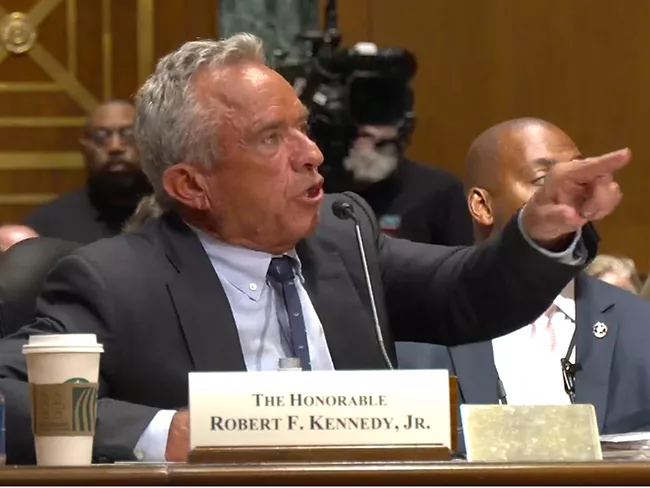
Sparks flew both ways Sept. 4 as Democratic senators pushed for Robert Kennedy to resign as secretary of the U.S. Department of Health and Human Services (HHS) during a Senate Finance Committee hearing ostensibly held to discuss the Trump administration’s 2026 health care agenda. But with Kennedy the only witness, the hearing focused on Kennedy’s perceived failings as HHS secretary. “The United States is in the midst of a health care calamity,” Ranking Member Ron Wyden, D-Ore., said in his opening comments, which were laden with personal attacks.
The vaccine dominoes continue to fall in the U.S. This time one fell on the FDA’s Vaccines and Related Biological Products Advisory Committee, as one of Health and Human Services Secretary Robert Kennedy’s most outspoken critics was removed from the panel nearly a year and a half before his term was to expire.
 RSS
RSS