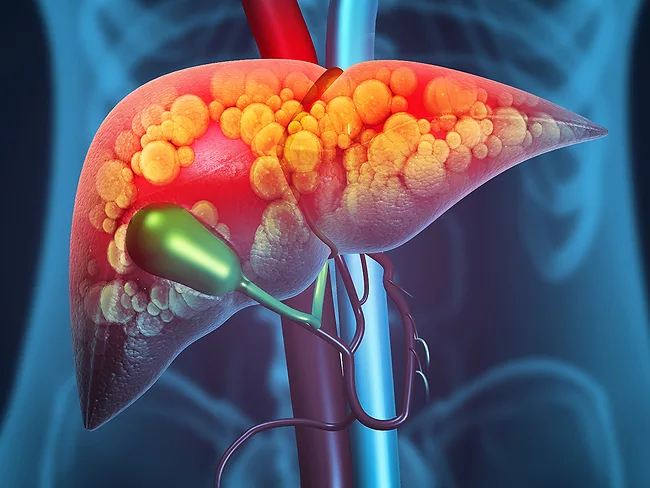
Hepatocellular carcinoma (HCC) is the most common form of primary liver cancer, representing approximately 75-85% of all cases. Often considered preventable, primary liver cancer ranks as the sixth most frequently diagnosed cancer and the third leading cause of cancer deaths worldwide. Through a multi-institutional effort, researchers have identified activated ATF6α as a driver of HCC that suppresses immune defenses, predicts response to immune checkpoint therapy, and represents a potential target for intervention.
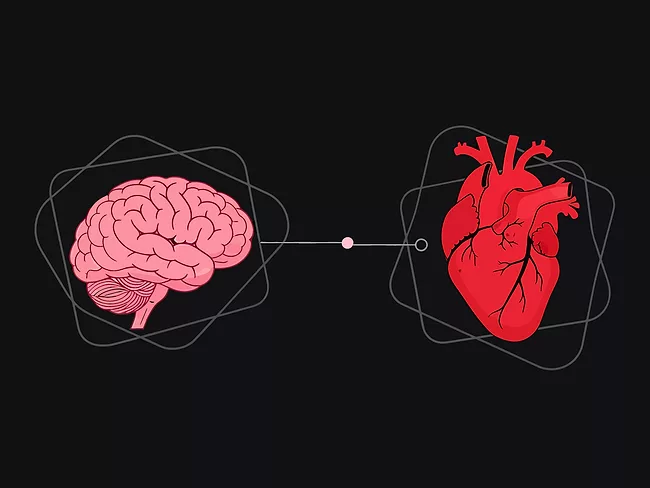
The neural and neuroimmune mechanisms behind myocardial infarction-triggered cardiac events, immune responses and activation of the nervous system remain largely unexplored. The heart and the brain talk to each other in what is known as cardioception. This communication between the two organs is orchestrated through neurons of the vagus nerve or the dorsal root ganglia, among others. Researchers from the University of California, San Diego have now shown that the dynamics of these interactions may play a crucial role in modulating inflammation, repair and cardiac functioning.
Liver fibrosis in the course of metabolic dysfunction-associated steatohepatitis could be significantly reduced using CAR T-cells generated in vivo. Scientists at the Icahn School of Medicine at Mount Sinai have developed an experimental cell therapy that eliminates only one type of liver cell, the stellate cells that express fibroblast activation protein alpha. This strategy not only reduced fibrosis but also reversed liver damage.
Chemotherapy is often seen solely as a tumor-targeting treatment, yet new evidence reveals a paradox: the tissue injury it causes can reprogram the body’s defenses, influencing the risk of metastasis. Researchers from the University of Lausanne and collaborators reported that chemotherapy reshapes the gut-immune axis by inducing microbiota-derived indole-3-propionic acid, which reprograms myelopoiesis to curb monocyte-driven immunosuppression and metastasis in colorectal cancer.
The prevalence of asthma differs between men and women, and furthermore, the difference changes over the lifespan. “Asthma is more common in boys than girls, but more common in women than men,” Clare Lloyd told BioWorld. Females are particularly susceptible to asthma during developmental periods of hormonal changes, also known as puberty, pregnancy and menopause.
Cancer cells expand through mutations – but not just through mutations. They also change their behavior in the absence of underlying genetic alterations. Such plasticity helps the cells both adapt to the cellular stress fueled by out-of-control growth and resist targeted and chemotherapies alike. Investigators from Memorial Sloan Kettering Cancer Center and Huazhong Agricultural University have gained new insights into the underlying mechanisms of plasticity.
A new method, based on gene editing with oligonucleotides and functional analyses, identifies which variants of DNA repair genes associated with Lynch syndrome are truly harmful and which are not. Scientists at The Netherlands Cancer Institute have developed this technique and classified these gene variants in both coding and noncoding regions, distinguishing those that are pathogenic from those that are benign.
The range of effects caused by rhinoviruses – the pathogens responsible for the common cold – motivated scientists at Yale University to study the human nasal epithelium and uncover a previously undescribed defense mechanism. The interferon-mediated protective response in these cells can limit infection, whereas a maladaptive response tends to worsen it. Based on these findings, the researchers have identified potential therapeutic targets to reduce inflammation associated with rhinovirus infection.
A new systematic review and meta-analysis of studies looking at a possible association between Tylenol (acetaminophen) use in pregnancy and neurodevelopmental disorders in children concludes there is no evidence of any meaningful risk. The study was carried out by researchers in the U.K., Italy, Sweden and Norway, in response to U.S. Secretary of Health and Human Services Robert Kennedy saying last September that there is a link. Unless medically necessary, it is “irresponsible” to take Tylenol during pregnancy, Kennedy said.
Once it was considered to be more or less a passive energy-storing device that could double as a cushion. But increasingly, fat is conceptualized as an endocrine organ as much as a tissue type. Now, separate research groups have reported new insights into the functional roles of different fats based on their anatomical location and functional characteristics.
 RSS
RSS