A new version of a drug candidate that failed in a phase II for neuropathic pain 15 years ago has attracted $140 million in series D funds, plus an ex-North American deal worth up to $570 million, for Grin Therapeutics Inc.
A development deal with Biogen Inc. could eventually bring City Therapeutics Inc. about $1 billion in milestone payments. It’s a step in the direction the company had been going: looking for the right partners, including those from big pharma. Privately held City Therapeutics is getting $46 million in the deal. That includes $16 million as an up-front payment and an investment of $30 million in exchange for a City Therapeutics convertible note.
Cinclus Pharma Holding AB has chosen Zentiva k.s. to handle manufacturing and commercialization duties in Europe for linaprazan glurate, which is being developed to treat severe erosive gastroesophageal reflux disease.
Alteogen Inc. completed a merger between two subsidiaries – Altos Biologics Inc. and Alteogen Healthcare Inc. – branding the new entity as Alteogen Biologics Inc.
Adalta Ltd. is outlicensing all of its internal products and focusing instead on inlicensing early stage T-cell assets from Asia, mostly from China, Adalta CEO Tim Oldham told BioWorld. Dubbed its “East to West” strategy, Adalta is integrating Asia's prowess in T-cell therapy development with the efficiency and quality of Australia's clinical and manufacturing ecosystem to create a pathway connecting Eastern innovation in cellular immunotherapies with Western regulated markets and patients.
Sanofi SA made good on its plan to bear down on M&A by agreeing to buy Vigil Neuroscience Inc. for $8 per share (NASDAQ:VIGL). Included in the transaction is a non-tradeable contingent value right entitling the holder to potentially collect $2 per share more in cash, payable following the first commercial sale of the phase II-ready VG-3927, a small-molecule triggering receptor expressed on myeloid cells 2 (TREM2) antagonist for Alzheimer’s disease, if achieved within a specific period. Watertown, Mass.-based Vigil’s stock closed May 22 at $7.88, up $5.57, or 241%.
Orionis Biosciences Inc. is sticking with Genentech Inc. in a second deal to discover small-molecule monovalent glue therapies for treating cancer. Privately held Orionis is getting $105 million up front and could earn more than $2 billion in R&D, development, commercial and net sales milestones, plus royalties. The multiyear collaboration calls for Orionis to handle discovery and optimization of molecular glues, with Genentech in charge of later-stage preclinical and clinical development, regulatory filing and commercialization of any small molecules the partnership produces.
Pfizer Inc. is paying $1.25 billion up front and up to $4.8 billion in milestone payments to gain global, ex-China rights to SSGJ-707, a PD-1/VEGF bispecific antibody from 3Sbio Inc. that recently won China clearance for a phase III study in lung cancer as a potential first-line monotherapy. Announced after U.S. market hours May 19, the exclusive agreement for SSGJ-707 spells up to $6.15 billion combined for Shenyang, China-based 3Sbio, along with separate tiered double-digit royalty payments on sales of SSGJ-707, if approved.
The merger of Protagenic Therapeutics Inc. and Phytanix Bio Inc. combines two different approaches to treating obesity and metabolic issues. The all-stock deal will merge Protagenic’s peptide candidate in IND-enabling development for treating depression, anxiety, posttraumatic stress disorder and additional indications, along with Phytanix’s cannabinoid and cannabinoid-like molecules for bladder pain syndrome and treatment-resistant focal seizures.
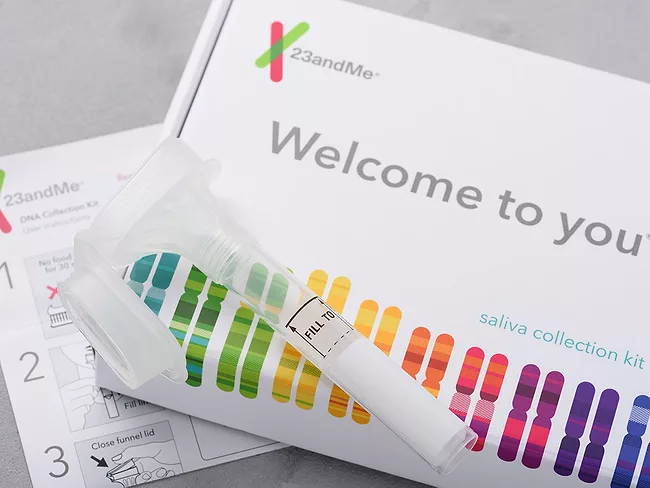
Regeneron Pharmaceuticals Inc. was the successful bidder for 23andme Holding Co.’s personal genome service, total health and research services business lines, including its biobank and associated assets, in the bankruptcy auction to sell 23andme's assets.

 RSS
RSS