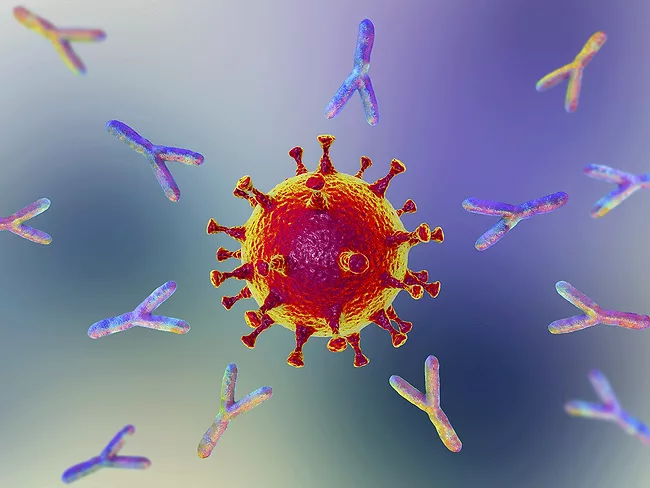
DUBLIN – Memo Therapeutics AG raised CHF13.8 million (US$15.3 million) in a first close of a series B round to take forward a patient-derived monoclonal antibody therapy for COVID-19, MTX-Covab, which will move into a phase I/II trial in Germany in the new year.
The Coalition for Epidemic Preparedness Innovations (CEPI) said that it would fund a SARS-CoV-2 vaccine under development by Sichuan Clover Biopharmaceuticals Inc., of Chengdu, China.
If not for the coronavirus and a highly contested U.S. presidential election, 2020 might just be the year of the biopharma financing. With 1,320 transactions tallied and the amount raised hitting $115.77 billion, the year represents the highest volume and value for the industry to date.
HONG KONG – Pangyo, South Korea-based SK Biopharmaceuticals Co. Ltd. has agreed to collaborate with New York-based Lifesci Venture Partners to invest in private health care companies developing novel therapies and innovative technologies.
When entrepreneurs and emerging businesses raise seed capital for a new business or generate funding for business growth, they often turn to the exempt offering framework under the Securities Act. However, when doing so, they are faced with a confusing and complex system that must be navigated. To simplify the process, the SEC has announced that it is amending its rules that govern offering exemptions, which small and medium-sized business rely on to raise capital.
Biopharmas raising money in public or private financings, including: Aquestive, Cancer Genetics, Forte, Fountain Healthcare, Inhibikase, Jiya, Massive Bio, Quantum Genomics, Scholar Rock, Ultragenyx.

 RSS
RSS