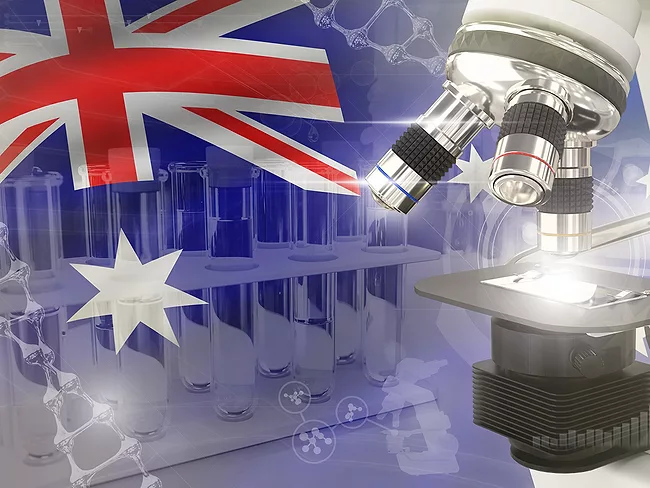
Australia’s top universities are looking more to Asia for research collaborations following threats from the Trump administration to stop funding research at institutions that don’t comply with U.S. narratives.
Sanofi SA gained U.S. FDA approval for fitusiran as a first-in-class siRNA therapy for hemophilia. Branded Qfitlia, the antithrombin-lowering therapy is indicated for use as a prophylactic treatment to prevent or reduce bleeding episodes in people with hemophilia A or B, with or without inhibitors, and joins the small but growing group of non-factor therapy options, with the advantage of a broad label and a convenient dosing regimen.
Milestone Pharmaceuticals Inc.’s heart rhythm-restoring calcium channel blocker for paroxysmal supraventricular tachycardia (PSVT) has yet another obstacle in its way.
The EMA has rejected the Alzheimer’s disease therapy Kisunla (donanemab) from Eli Lilly and Co., saying the benefits of the anti-amyloid antibody do not outweigh the risks of edema and hemorrhage in the brain, known as amyloid-related imaging abnormalities (ARIA).
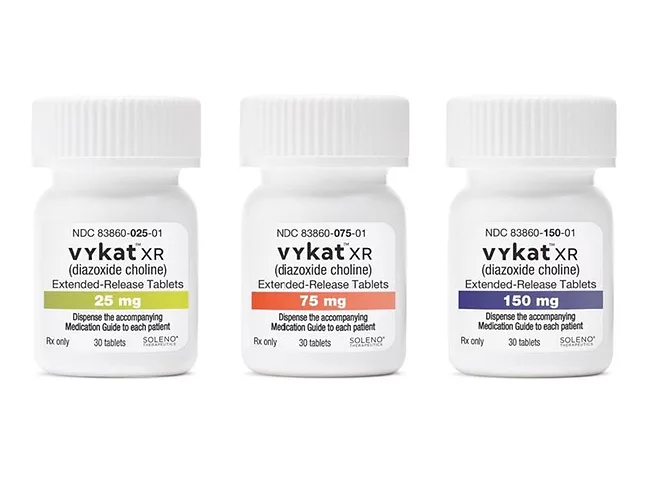
Becoming the first treatment for rare genetic disorder Prader-Willi syndrome, breakthrough therapy drug DCCR (diazoxide choline) gained U.S. FDA approval as Vykat XR the evening before its March 27 PDUFA date, sending shares of developer Soleno Therapeutics Inc. up 38%.
The U.S. Department of Health and Human Services HHS reported a plan to reduce staffing by 10,000 in an immediate reduction, which when paired with retirement initiatives will drop staffing by as many as 20,000.
A survey of members of the Bioindustry Innovation Organization (BIO) has exposed what is at stake for the sector, on both sides of the Atlantic, if proposed tariffs are imposed on pharmaceutical imports to the U.S. "A staggering 94% of biotech firms anticipate surging manufacturing costs if tariffs are placed on imports from the EU,” according to BIO.
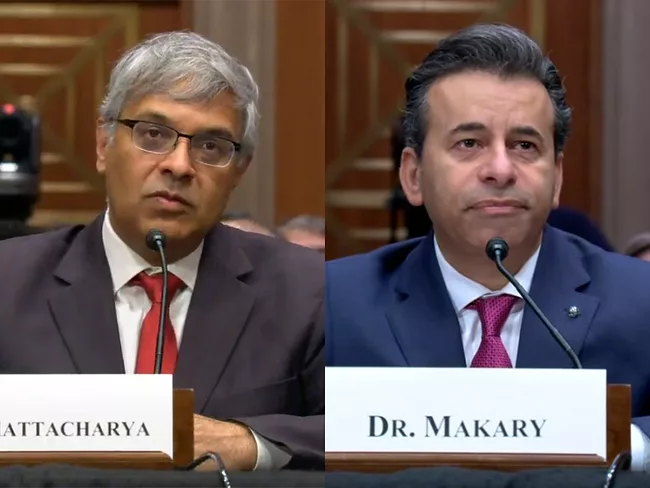
The U.S. Senate has approved the nominations of two key members of the Trump administration, Marty Makary as FDA commissioner and Jay Bhattacharya as NIH director. While these are two of the most critical appointments for the Trump administration, the Senate still has two other important appointments in queue, including the directors of the Centers for Medicare & Medicaid Services and the CDC.
Ushering in a new class of antibiotics, the U.S. FDA approved GSK plc’s gepotidacin for use in uncomplicated urinary tract infections. Branded Blujepa, the oral triazaacenaphthylene bacterial topoisomerase inhibitor is indicated for treating female adults and adolescents, 12 and older.
Nature Cell Co. Ltd. won U.S. FDA breakthrough therapy designation of its autologous adipose-derived mesenchymal stem cell therapy, Jointstem, March 20, becoming the first Korean company to earn the label in the field of cell therapy.
 RSS
RSS