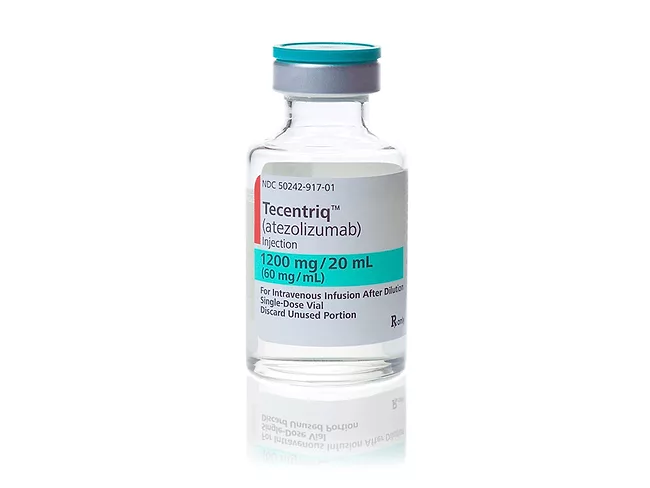
In a virtual meeting fraught with technical difficulties, the FDA’s Oncologic Drugs Advisory Committee (ODAC) voted 7-2 April 27 that the accelerated approval for Tecentriq (atezolizumab) in combination with nab-paclitaxel as a treatment for unresectable locally advanced or metastatic triple-negative breast cancer (mTNBC) in adults with PD-L1+ tumors should continue as additional trials are conducted or completed.
Being in a crowded space doesn’t bother recently installed Arch Oncology Inc. CEO Laurence Blumberg. As a matter of fact, he’s reassured by it. “There’s a lot of competition in CD47, that’s correct,” Blumberg told BioWorld. “But having been in industry for a long time, competition and the magnitude of that competition in pursuit of a target usually means there’s a good reason for that interest and that there’s compelling evidence it has utility.”
Lexington, Mass.-based Aldeyra Therapeutics Inc.’s phase III win in the study called Invigorate with reproxalap for allergic conjunctivitis (AC) restarted speculation about odds of the drug, a small-molecule, immune-modulating covalent inhibitor of reactive aldehyde species (RASP), to treat dry eye disease (DED). “I do think there is potential read-through,” CEO Todd Brady said, especially with regard to the redness endpoint. A six-week safety study necessary before going to the FDA has not yet started, he told investors during a conference call. “That will require some discussions with the FDA, but I do not think, given the length of the trial, the safety study would impair our guidance of potentially filing NDAs by the end of this year.”
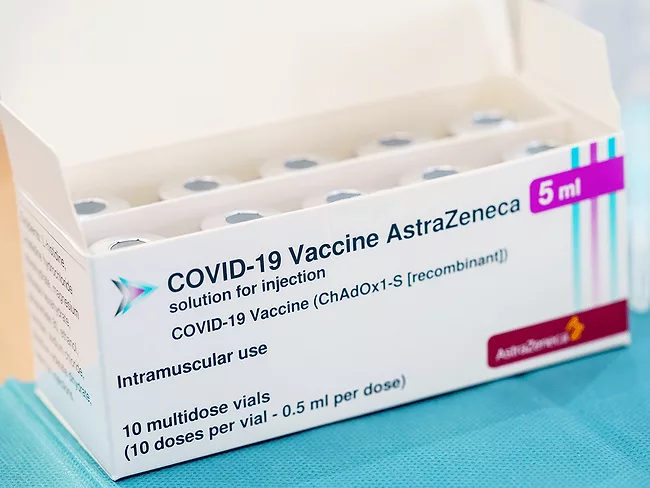
Astrazeneca plc’s saga of its COVID-19 vaccine continued this week with the European Commission (EC) deciding to begin legal action against the Cambridge, U.K.-based company, claiming it has failed to deliver doses in line with its contract.
The volume of phase I-III clinical trial data so far in 2021 is a full 26% more than it was by this point last year, yet the proportion of news focused on the COVID-19 pandemic continues at much the same rate.
About a year and a half after Enzyvant Inc.'s tissue-based therapy for children born without a thymus met with a complete response letter over chemistry, manufacturing and controls concerns, its BLA is once again on track for FDA review, the company told BioWorld. Following a resubmission intended to fully address the agency's concerns, the application has a new PDUFA date of Oct. 8.
Stuart Therapeutics Inc., a company developing peptide therapeutics for ophthalmic disease, has completed an $11 million series A financing led by Infocus Capital Partners, an ophthalmology-focused life sciences venture capital fund, with significant participation by the Wisconsin Alumni Research Foundation, Mimo Capital and Biobrit.
Regulatory snapshots, including global drug submissions and approvals, clinical trial approvals and other regulatory decisions and designations: Ampio, Cyclo, Eledon, Enzyvant, Hillhurst, Instil, Krystal, RDIF, Reata, Revive, Rockwell Medical, Sol-Gel Technologies.

 RSS
RSS