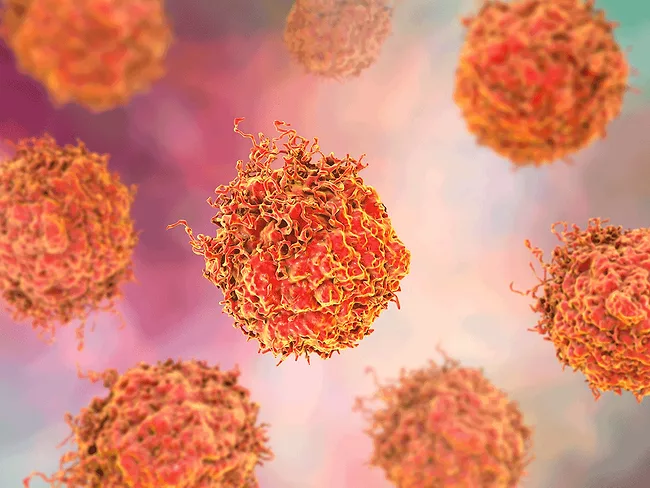
Gene editing can repair mutations that prematurely halt protein synthesis, resulting in incomplete peptides that cause various diseases. However, other approaches achieve the same effect without altering the genome. Startup Alltrna Inc. has developed a strategy based on transfer RNA to bypass the premature stop codons that end early protein translation. The company already has a first clinical candidate that could treat metabolic diseases such as methylmalonemia or phenylketonuria.
Regulatory snapshots, including global drug submissions and approvals, and other regulatory decisions and designations: Abpro, Algia, Amphastar, Anavex, Biocryst, Celltrion, Fibrogen, Fortress, Innoviva, Janssen, Lenz, Leo, LIB, Milestone, Moderna, Pilatus, Sanofi, Vanda.
Things once done in laboratories can now be done with computers and AI, said Kim Woo-youn, CEO and cofounder of Hits Inc. “We live in the age of ‘digital alchemy,’” Kim told BioWorld, describing how AI is shifting some drug discovery processes from physical to virtual spaces.
ADEL Inc. closed a year-end licensing deal worth up to $1.04 billion with Sanofi SA for ADEL-Y01, a specific tau-targeting Alzheimer’s disease drug candidate in a U.S. phase I study.
Monte Rosa Therapeutics Inc. plans a signal-verifying phase II trial next year after making known the positive interim data from an ongoing phase I/II trial testing molecular glue degrader MRT-2359 in combination with androgen receptor (AR) inhibitor Xtandi (enzalutamide, Astellas Pharma Inc.). The investigation targeted heavily pretreated patients with metastatic castration-resistant prostate cancer bearing AR mutations.

 RSS
RSS