Though it’s largely viewed by analysts as a simple delay rather than a setback, Disc Medicine Inc.’s unexpected complete response letter (CRL) for bitopertin in the rare genetic disorder erythropoietic protoporphyria (EPP) raises more questions regarding consistency and stability at the U.S. FDA.
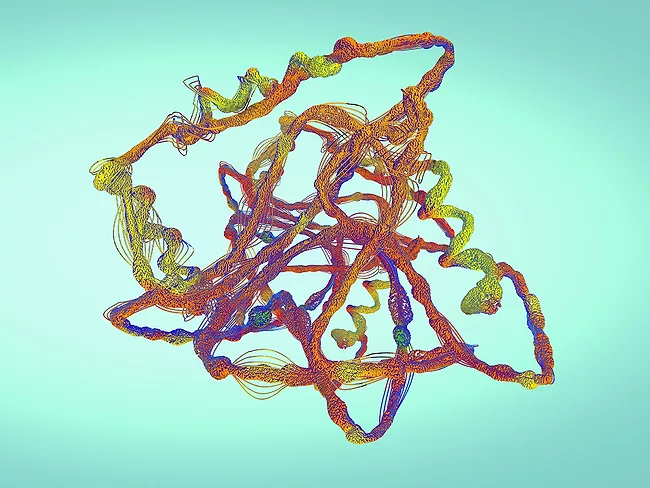
A project that started as a bioreactor to assist astronauts in deep space to keep medications safe in a microgravity environment could help pharma companies model how drugs behave in the human body. Omnigeniq unveiled at the J.P. Morgan Healthcare conference the first computer model of a human protein as it exists in the body, confirming that native protein topology can be calculated directly from physics.
Newco Vesalic Ltd. has formed to take forward research indicating extracellular vesicles secreted by skeletal muscle cells carry toxic payloads that are key drivers of motor neuron diseases, including amyotrophic lateral sclerosis. The discovery of this process, which is largely external to the brain and the central nervous system, has opened up new targeting possibilities, and Vesalic is now working on in vivo studies to demonstrate preclinical proof of concept.
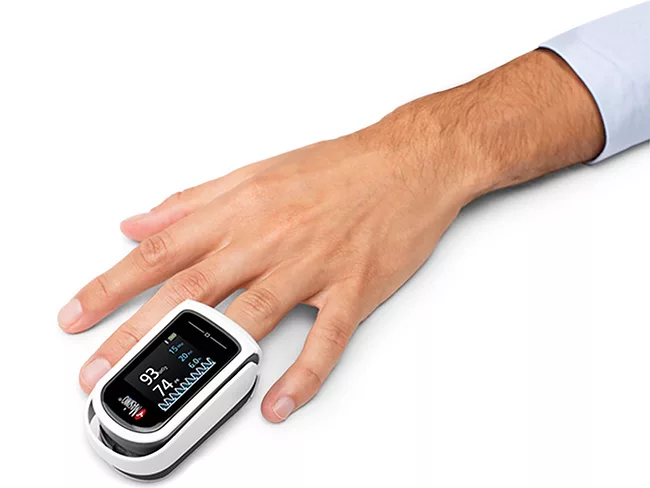
Danaher Corp. agreed to acquire Masimo Corp. for $9.9 billion in a move to strengthen its diagnostics business. Under the terms of the agreement, Danaher will acquire all the outstanding shares of Masimo for $180 per share in cash, representing a 38.3% premium to Masimo’s last closing price.
Ocular Therapeutix Inc.’s wet age-macular degeneration candidate, Axpaxli, beat anti-VEGF therapy Eylea (aflibercept) from Regeneron Pharmaceuticals Inc. in the phase III head-to-head trial called Sol-1, but not by enough of a margin for Wall Street. Shares of the firm (NASDAQ:OCUL) closed Feb. 17 at $6.99, down $1.89, or 21%, as investors mulled the top-line findings.
Positive results from the second of two phase III trials set Compass Pathways plc’s synthetic psilocybin treatment, COMP-360, on track for a potential U.S. FDA approval within a year as the first classic psychedelic cleared for treatment-resistant depression.
Med-tech M&A activity opened 2026 at a slower pace, with January deal value totaling $665.33 million, coming in well below the 2025 monthly average of $3.51 billion and trailing most individual months last year.

 RSS
RSS