Milestone Pharmaceuticals Inc.’s heart rhythm-restoring calcium channel blocker for paroxysmal supraventricular tachycardia (PSVT) has yet another obstacle in its way.
The EMA has rejected the Alzheimer’s disease therapy Kisunla (donanemab) from Eli Lilly and Co., saying the benefits of the anti-amyloid antibody do not outweigh the risks of edema and hemorrhage in the brain, known as amyloid-related imaging abnormalities (ARIA).
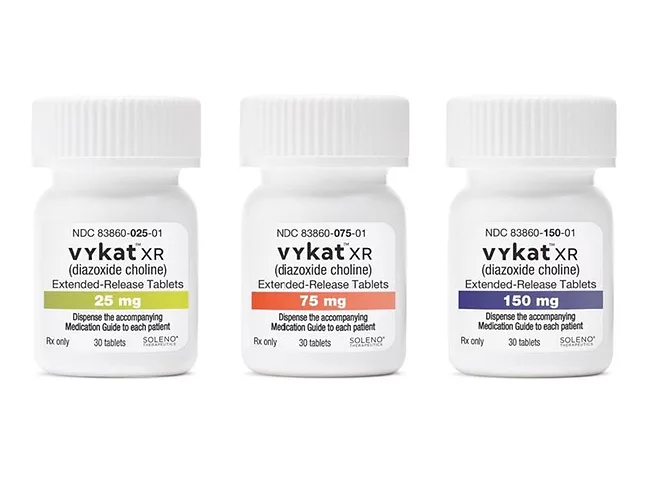
Becoming the first treatment for rare genetic disorder Prader-Willi syndrome, breakthrough therapy drug DCCR (diazoxide choline) gained U.S. FDA approval as Vykat XR the evening before its March 27 PDUFA date, sending shares of developer Soleno Therapeutics Inc. up 38%.
The U.S. Department of Health and Human Services HHS reported a plan to reduce staffing by 10,000 in an immediate reduction, which when paired with retirement initiatives will drop staffing by as many as 20,000.
Regulatory snapshots, including global drug submissions and approvals, clinical trial approvals and other regulatory decisions and designations: Alvotech, Exelixis, GSK, Intellia, Kashiv, Kelun, Merck, Neurim, Plus, Sanofi, Theratechnologies, Vast.
Biopharma happenings, including deals and partnerships, grants, preclinical data and other news in brief: Aadi, GV20, Ionis, Kaken, Mitsubishi, Sobi, Turn, Vesigen, Whitehawk.
Clinical updates, including trial initiations, enrollment status and data readouts and publications: Aligos, Calidi, IGC, Leap, Merakris , Merakris, Vaximm, Wave Life Sciences.
Bispecific antibodies have gotten plenty of press in recent years, but less prominent in headlines are bifunctional ones – i.e., those that boast one binding site for an antigen and another site for a non-antibody molecule such as a toxin or drug, taking aim at a single target and bringing a secondary function for extra oomph.

 RSS
RSS