Shanghai-based D3 Bio (Wuxi) Co. Ltd. showed positive results for its lead candidate, next-generation KRAS G12C inhibitor, D3S-001, also known as elisrasib, in patients with KRAS G12C mutation cancers, including patients previously treated with first-generation KRAS G12C inhibitors. Presented at the American Association for Cancer Research (AACR 2025) meeting on April 29, the data were simultaneously published in Nature Medicine.
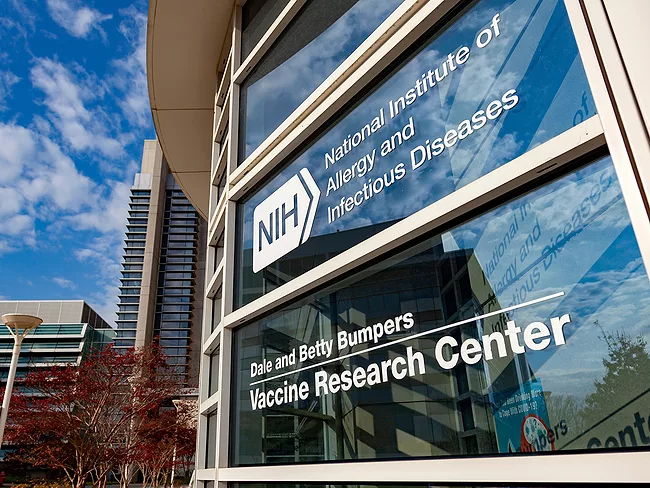
If the April 30 hearing on biomedical research before the U.S. Senate Appropriations Committee is any indication, the Trump administration could face a big challenge if it tries to cut more than 40% of the NIH’s budget in fiscal 2026 as proposed and slap a 15% cap on indirect costs.
Regulus Therapeutics Inc. CEO Jay Hagan told investors in a January call the company had no interest in “simply out-licensing” rights to lead candidate farabursen, an oligonucleotide targeting autosomal dominant polycystic kidney disease set to start phase III testing on a path to a potential accelerated approval. And now, there’s no need to, as Regulus found a buyer for the whole company in a deal with Novartis AG valued at about $1.7 billion.
Barely a year after the U.S. FDA shackled Abeona Therapeutics Inc.’s cell-based gene therapy with a complete response letter, the agency has approved it for treating a rare and genetic skin disease. Zevaskyn (prademagene zamikeracel), for treating wounds in adult and pediatric patients with recessive dystrophic epidermolysis bullosa, will be priced in the U.S. at $3.1 million.
Regulatory snapshots, including global drug submissions and approvals, clinical trial approvals and other regulatory decisions and designations: Alnylam, Argenx, Bridgebio, Camurus, Eton, Halozyme, Innorna, Innovent, Italfarmaco, Jazz , Junshi, PTC, Purespring, Regeneron, Telix, Valneva.
Biopharma happenings, including deals and partnerships, grants, preclinical data and other news in brief: Ante, Galmed, Ferrer, Formosa, Laboratorios Saval, Medicus, Octagon, Prilenia, Spruce.
New hires and promotions in the biopharma industry, including: Aavantgarde, Adagene, Crescent Biopharma, Hervolution, Montai, Nocion, Scholar Rock, Secarna.
Orum Therapeutics Inc. on April 26 pulled the plug on a U.S.-based phase I study of ORM-5029, its lead oncology degrader antibody conjugate (DAC) asset, a decision that came months after the company first reported a patient death in November 2024.

 RSS
RSS