Harvard University has filed a lawsuit claiming the Trump administration’s freezing of its federal funding is unlawful and beyond the government’s authority. Announcing the move, Harvard’s president, Alan Garber, highlighted the impact of freezing $2.2 billion in grants – and the threat to freeze a further $1.1 billion – will have on the university’s biomedical research.
Roche AG has become the latest pharmaceutical company to respond to the Trump administration’s threat to impose tariffs, saying it will invest $50 billion in drug and diagnostics manufacturing in the U.S. over the next five years. That figure matches a similar commitment by its Basel, Switzerland-based neighbor, Novartis AG, which on April 11 said it would be investing almost $50 billion in the U.S., also over the next five years.
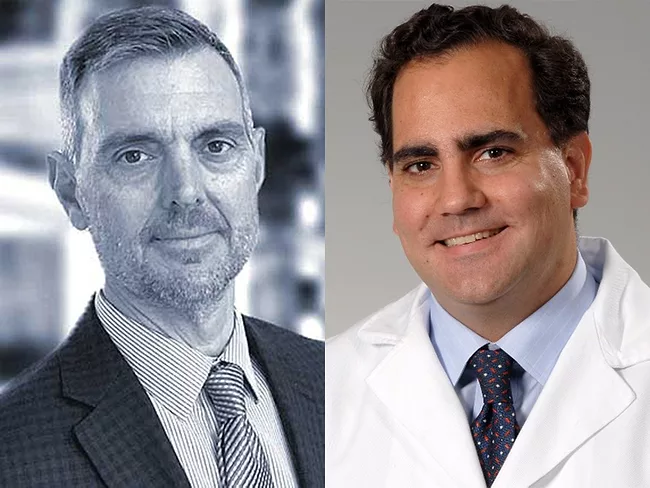
As pharma deals with the impact of U.S. NIH grant cuts and the imposition of tariffs, a lot of pressure is shifting to smaller and midcap companies, according to two executives who spoke on the newest BioWorld Insider podcast.
First quarter earnings reports from Johnson & Johnson and Abbott Laboratories provided some surprising insights into the likely hit med-tech companies will sustain with current tariffs. The main takeaway? The impact of the trade war with China is far greater than expected by most analysts.
Regulatory snapshots, including global drug submissions and approvals, clinical trial approvals and other regulatory decisions and designations: Bavarian Nordic, GSK, Pfizer, Regeneron, Scilex, Uniqure.
Biopharma happenings, including deals and partnerships, grants, preclinical data and other news in brief: Addex, Bighat, Channel, Eli Lilly, Evotec, Janssen, Johnson & Johnson, Ligand, Pelthos.

 RSS
RSS