New and positive data for Maia Biotechnology Inc.’s lead candidate for a particularly deadly and advanced lung cancer propelled the stock modestly higher on Feb. 4. The pivotal phase II THIO-101 study of Thio, a telomere-targeting agent sequenced with Regeneron Inc.’s immune checkpoint inhibitor, Libtayo (cemiplimab), as a third-line treatment for advanced non-small-cell lung cancer (NSCLC) showed median overall survival of 16.9 months for the 22 NSCLC patients who received at least one dose of Thio in parts A and B.
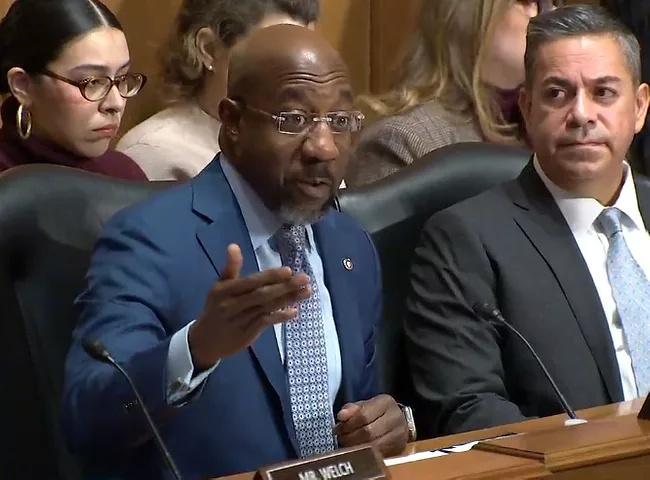
Robert F. Kennedy Jr. moved a step closer Feb. 4 to becoming the next secretary of the U.S. Department of Health and Human Services (HHS). The Senate Finance Committee voted 14-13 along party lines to send Kennedy’s nomination to the Senate floor for confirmation. While “no” votes were expected from the 13 Democrats serving on the committee, a big question mark had hung over which way Sen. Bill Cassidy, R-La., would vote, given the comments he made at two committee hearings on the nomination. In the end, Cassidy voted along with his 13 Republican colleagues, offering no comment on his vote at the meeting.
Regulatory snapshots, including global drug submissions and approvals, clinical trial approvals and other regulatory decisions and designations: Astrazeneca, Bioarctic, Eisai, Fondazione Telethon, Halozyme, Janssen-Cilag, Ocugen, Spur, United.
Biopharma happenings, including deals and partnerships, grants, preclinical data and other news in brief: Anaptysbio, Biontech, Biotheus, Kadimastem, NLS, Vanda.
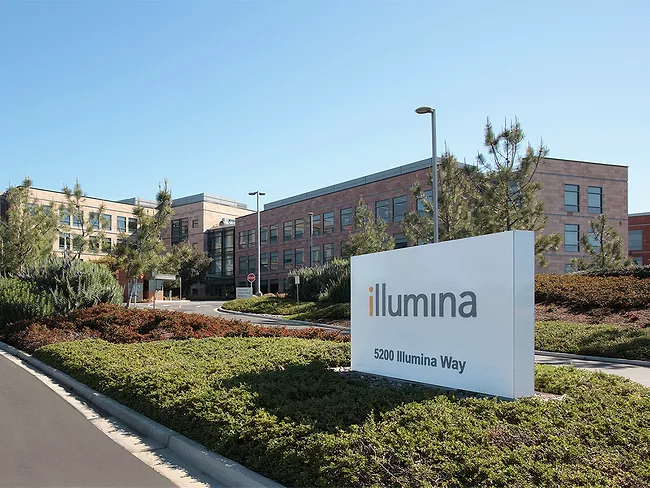
The Chinese government blacklisted several American companies, including gene sequencing-focused biotechnology firm Illumina Inc. and fashion brand PVH Corp., citing threats to China’s “national sovereignty, security and development interests.”
Biopharma deal value continued its upward trend in 2024, reaching $230.53 billion, a 6% increase from $217.69 billion in 2023, setting a new record in BioWorld’s data. Deal volume also grew, with 1,429 agreements across licensing, joint ventures and collaborations, up 3.5% from 1,380 in 2023, though still below the peak activity seen from 2019 to 2022.
Japan’s drug pricing scheme has gotten more complicated, and pharma companies should brace themselves for annual price cuts. Industry has been pushing back against the annual price reductions to no avail, Ray Fujii, managing director of LEK’s San Francisco office told BioWorld. Although 2025 is a mid-year revision in Japan, and not a formal price revision year, the system for considering drug prices has gotten more confusing with a new formula for determining price cuts.

 RSS
RSS