Clinical updates, including trial initiations, enrollment status and data readouts and publications: Algiax, Cumberland, Leo, Maia, Rezolute, Siteone, Spur.
Researchers at the University of California at San Francisco have identified an RNA-binding protein that increased the translation of Myc mRNA. The authors wrote that their work, which was published online in Nature Cell Biology on Feb. 4, 2025, “transforms the understanding of the translational code in cancer and illuminates therapeutic openings to target the expression of oncogenes.”
Newco Akribion Therapeutics GmbH has raised €8 million (US$8.3 million) in a seed round to develop a new and potent class of RNA-targeted CRISPR nucleases, which, rather than cleaving specific nucleic acids, can destroy every type of nucleic acid in a cell.
Aussie radiopharma company Advancell Co. Ltd. closed an oversubscribed $112 million series C round that will accelerate clinical development of its pipeline of radionuclide therapies and allow it to expand its manufacturing capacity.
The first successful phase II trial in Duchenne muscular dystrophy (DMD) heart disease rolled out from Cumberland Pharmaceuticals Inc., which said top-line findings from the experiment called Fight DMD showed promising results in the indication that represents the main cause of death for such patients.
As the number of mega-mergers have increased in recent years, and the purchase price of innovative companies rises, it is apparent that many lucrative buyouts fail to meet expectations, although a few outperform from time to time.
New and positive data for Maia Biotechnology Inc.’s lead candidate for a particularly deadly and advanced lung cancer propelled the stock modestly higher on Feb. 4. The pivotal phase II THIO-101 study of Thio, a telomere-targeting agent sequenced with Regeneron Inc.’s immune checkpoint inhibitor, Libtayo (cemiplimab), as a third-line treatment for advanced non-small-cell lung cancer (NSCLC) showed median overall survival of 16.9 months for the 22 NSCLC patients who received at least one dose of Thio in parts A and B.
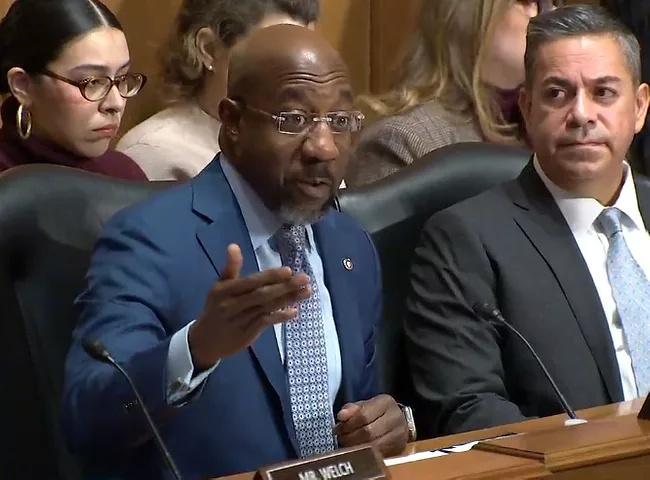
Robert F. Kennedy Jr. moved a step closer Feb. 4 to becoming the next secretary of the U.S. Department of Health and Human Services (HHS). The Senate Finance Committee voted 14-13 along party lines to send Kennedy’s nomination to the Senate floor for confirmation. While “no” votes were expected from the 13 Democrats serving on the committee, a big question mark had hung over which way Sen. Bill Cassidy, R-La., would vote, given the comments he made at two committee hearings on the nomination. In the end, Cassidy voted along with his 13 Republican colleagues, offering no comment on his vote at the meeting.

 RSS
RSS