Keeping you up to date on recent developments in cardiology, including: MRI shows lower degrees of myocarditis in athletes who have recovered from COVID-19; Nanodroplets, ultrasound drills show promise with blood clots; Common blood pressure meds safe for those with COVID-19.
Keeping you up to date on recent developments in neurology, including: Focused ultrasound shows promise for Parkinson’s disease; Blood test developed for Alzheimer’s prognosis in symptom-free patients; Bedside EEG test predicts recovery in unresponsive brain injury patients.
Keeping you up to date on recent developments in diagnostics, including: Retinal imaging may detect Parkinson’s disease; Biomarkers may differentiate psoriatic arthritis, osteoarthritis; ApoE multitasks for regulating brain lipids.
Keeping you up to date on recent developments in orthopedics, including: Discovery of aging mechanism for hematopoietic stem cells; Long-term study finds dozens of new genetic markers associated with lifetime bone growth; Living alone may increase risk of dying after hip fracture; Bone fracture risk may increase when critical enzymatic processes decline.
Keeping you up to date on recent developments in oncology, including: Cellular ‘backpack’ boosts activity of macrophages against cancer; Hardware + software = slide-free histology; Researchers wary of social media for clinical trial recruitment; Peptides team up with nanowires to detect cancer exosomes.
Keeping you up to date on recent developments in cardiology, including: Researchers outline new stroke strategy; Group assesses role of neutrophil extracellular traps in coronary thrombosis in COVID-19 patients; Link identified between metabolic syndrome and higher cardiovascular risk in patients with psoriasis.
Keeping you up to date on recent developments in diagnostics, including: Arterial stiffness and mental decline; Wearables can help to predict COVID-19; Putting patients in control of type 2 diabetes with smart choices, CGMs.
Keeping you up to date on recent developments in orthopedics, including: What’s the ‘true’ rate of dislocation after total hip replacement?; A human gene placed in fruit flies reveals details about a human developmental disorder; Life expectancy and health care costs for patients with rheumatoid arthritis.
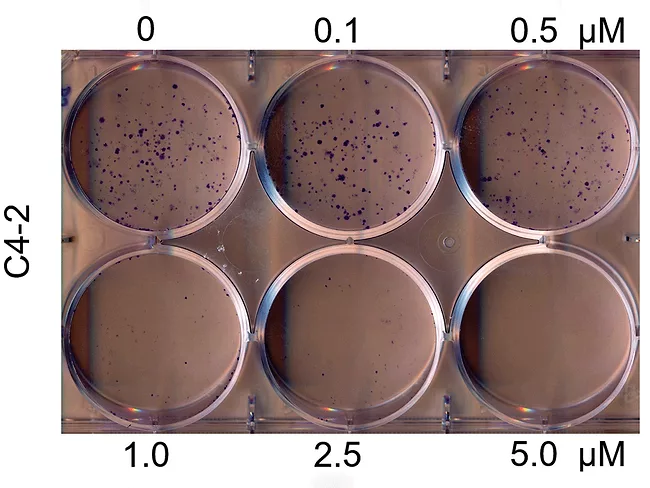
Scientists at Duke University School of Medicine in Durham, N.C., have developed a small-molecule inhibitor of the cellular stress-protective transcription factor, heat-shock factor 1, which showed developmental promise against treatment-resistant prostate cancer and other cancers. The small molecule, Direct Targeted HSF1 InhiBitor (DTHIB), may also be a useful research tool for investigating the regulation and role of HSF1 in basic stress biology and in cancer.
Keeping you up to date on recent developments in oncology, including: Microscopic robots inch closer to clinical practicability; One thing often leads to another for cancer patients; PARP inhibitors under more scrutiny; New liposome may suppress false positives in FDG-PET.

 RSS
RSS