Keeping you up to date on recent developments in orthopedics, including: HSS bone study sheds light on complications after spinal surgery; Simplify Medical reports first implant of its cervical artificial disc in the U.S. following FDA 1-Level approval; Scientists say xenon improves properties of maxillofacial and orthopedic implants.
Keeping you up to date on recent developments in oncology, including: Study clarifies distinct genomic features of early-onset appendiceal cancer; MET no better than EMT for cancer metastases; MRI may offer risk-stratification for glioblastoma; Study supports short telomeres as protective against cancer.
Keeping you up to date on recent developments in cardiology, including: Genes influencing CAD identified; Education reassures patients with noncardiac chest pain; Skin helps predict heart disease.
Keeping you up to date on recent developments in neurology, including: Genetic differences important in Alzheimer’s diagnosis; Stanford develops tool for studying neural activity; Gut microbiota plays a role in brain function, mood regulation.
LONDON – A study of genetic variants in patients with life-threatening COVID-19 has shed light on the mechanisms that underpin severe disease, uncovered new drug targets and pointed to approved drugs, including JAK inhibitors and phosphodiesterase type 4 inhibitors, as therapies that could aid recovery.
Keeping you up to date on recent developments in diagnostics, including: Predicting breast cancer recurrence, Comparing SARS-CoV-2 PCR tests, Paying attention to the little guy in proteomics, Increasing biomarker reproducibility
Keeping you up to date on recent developments in orthopedics, including: Can we make bones heal faster?; Risk of serious complications during knee replacement 73% higher when a tourniquet is used; Exercise may protect bone health after weight loss surgery.
Keeping you up to date on recent developments in oncology, including: New theranostic nanoparticle design combines DNA wireframe and Sgc8c aptamer; Bolting TLR agonist to antibody converts cold tumors; Rule-based screening for degraders; How stress disrupts tumor cell sleep; Combo treatment shows efficacy in treatment of ALL.
Keeping you up to date on recent developments in cardiology, including: Addressing concerns regarding pharmacogenetic testing; Improving the nation's heart health; Researchers reveal genetic abnormalities that cause brain aneurysms.
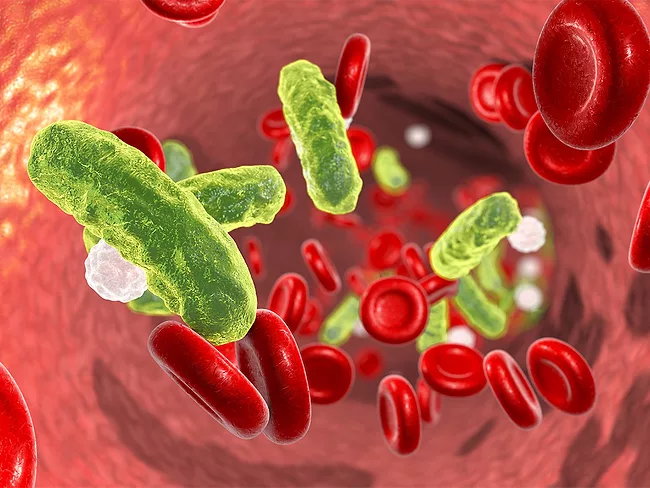
An international study led by Nanyang Technological University in Singapore has designed and synthesized broad-spectrum antimicrobial polymers (AMPs) and demonstrated the safety and efficacy of two such agents against multidrug-resistant (MDR) bacteria in mouse models of sepsis.

 RSS
RSS