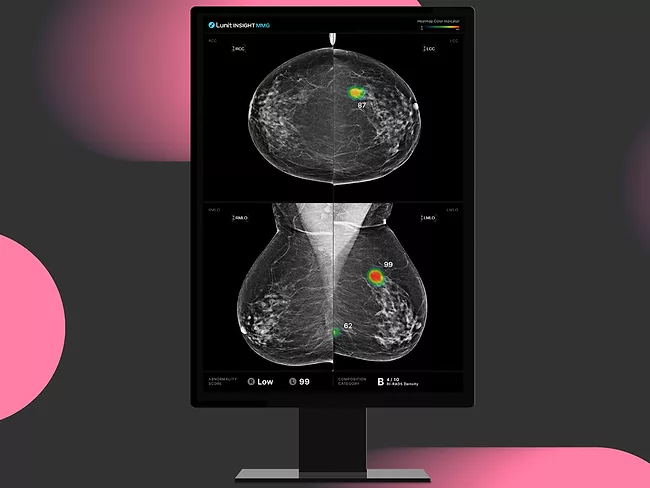
AI could significantly improve the value of patient recalls following mammography, but so far radiologists seem reluctant to rely on computer-aided readings. Radiologists tend to trust their own judgment – and that of their colleagues – in mammogram readings far more than AI-based diagnostics, even when the AI is much more accurate, a prospective trial analysis published in Radiology by Karolinska Institutet researchers found.
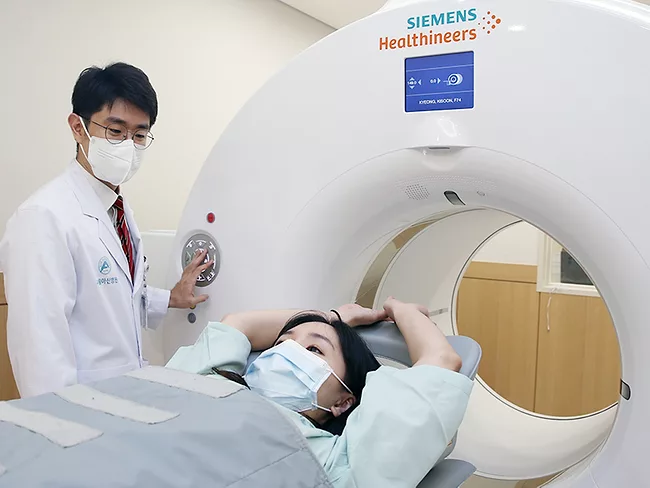
Radiopharmaceuticals, including 16α-18F-fluoro-17β-estradiol (18F-FES) PET/CT, are emerging as powerful tools with new diagnostic and therapeutic potential in breast cancer diagnosis and treatment, Han Sang-won, professor from the department of nuclear medicine at Asan Medical Center, recently told BioWorld.
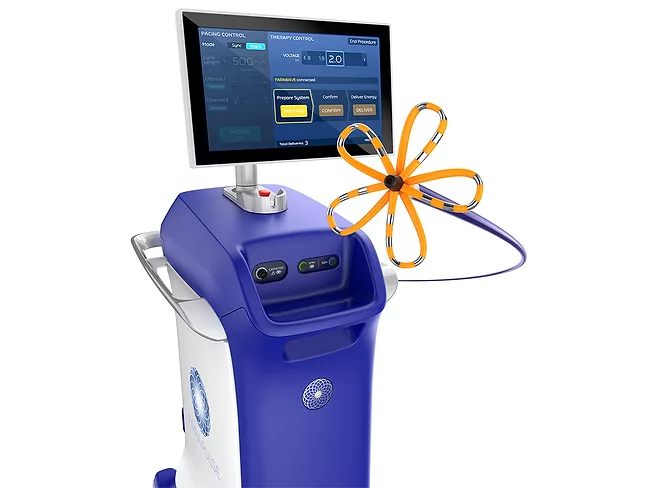
Pulsed field ablation using Boston Scientific Corp.’s Farapulse system was non-inferior and even superior, slightly, to Medtronic plc’s Artic Front Advance cardiac cryoablation system in treating patients with paroxysmal atrial fibrillation.
Radiopharmaceuticals, including 16α-18F-fluoro-17β-estradiol (18F-FES) PET/CT, are emerging as powerful tools with new diagnostic and therapeutic potential in breast cancer diagnosis and treatment, Han Sang-won, professor from the department of nuclear medicine at Asan Medical Center, recently told BioWorld.
The use of an AI tool could speed up the time it takes to do pregnancy scans by almost half and it is still able to identify any abnormalities in the fetus, researchers found. Results from a study showed the AI tool used to assist with 20-week pregnancy scans reduced the scan length by more than 40% and still maintained the same accuracy and reliability of diagnoses.
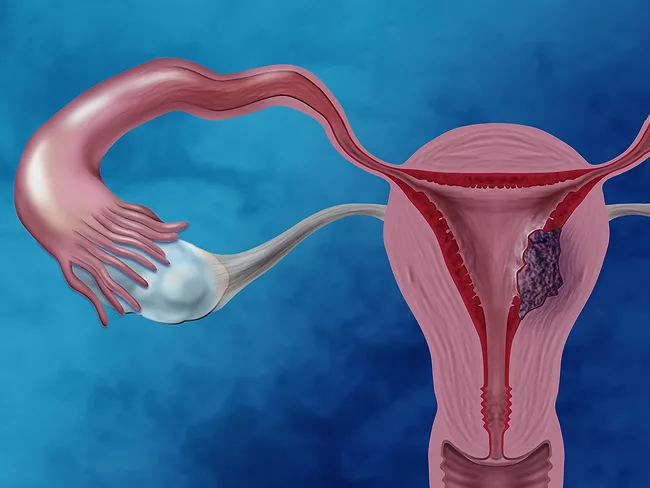
Acrivon Therapeutics Inc. provided updated phase II data for checkpoint kinase candidate ACR-368, highlighting promising response rates for biomarker-positive patients with endometrial cancer and raising the possibility of an accelerated pathway in the second-line setting.
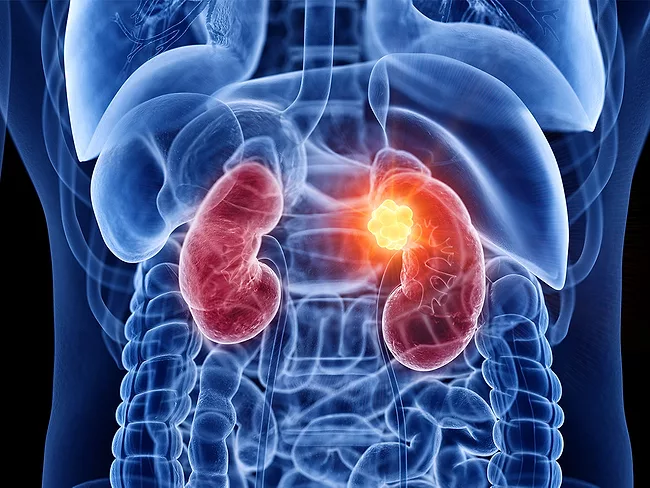
Elypta AB’s urine-based test correctly identified 90% of patients whose kidney cancer had returned, according to results from an ongoing study. The company’s metabolism-based liquid biopsy platform, which measures glycosaminoglycan biomarkers to detect cancer-specific signatures and uses algorithms to deliver clinically useful scores, could transform the lives of patients with kidney cancer.
Tandem Diabetes Care Inc.’s Control-IQ+ automated insulin delivery system improved multiple measures of glycemic control in individuals with type 2 diabetes who use insulin, a study presented March 19 at the 18th International Conference on Advanced Technologies & Treatments for Diabetes and published in The New England Journal of Medicine demonstrated.
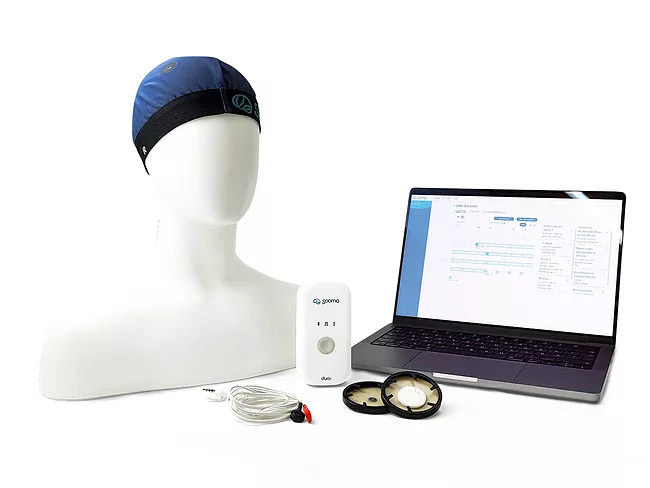
Sooma Oy secured U.S. FDA investigational device exemption approval to initiate a pivotal study of its transcranial direct current stimulation medical device in people with major depressive disorder. The study will examine the efficacy of the non-invasive Sooma 2Gen device in improving MDD as an at-home treatment.
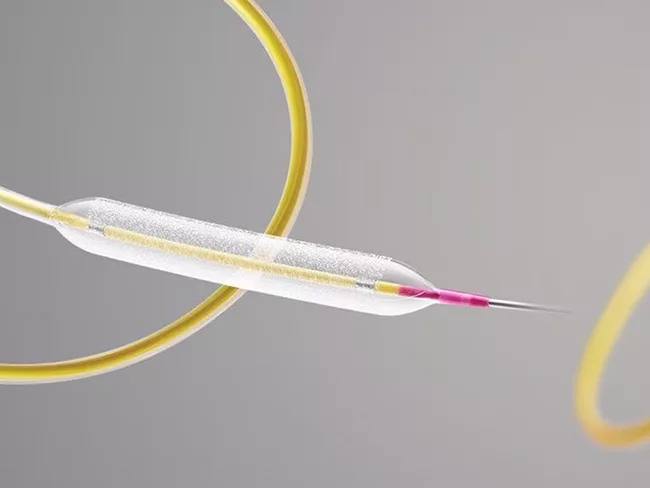
Medtronic plc reported results from a registry highlighting the effectiveness of the Prevail paclitaxel-coated balloon. The findings from the Swedish Coronary Angiography and Angioplasty Registry (SCAAR) were presented by Sacharias von Koch of the department of cardiology and clinical sciences at Lund University, Skåne University Hospital in Sweden at the Cardiovascular Research Technologies 2025 meeting in Washington.
 RSS
RSS