A collaboration between Oncosec Medical Inc. and Merck and Co. that yielded positive phase II study data has paved the way for a phase III study between the two companies. Oncosec’s DNA-plasmid interleukin-12 (IL-12) Tavo (tavokinogene telseplasmid) will be combined with Merck's anti-PD-1 therapy Keytruda (pembrolizumab) in a randomized, global phase III study for treating late-stage metastatic melanoma.
New research suggests that ultraviolet (UV) light that operates at lower bandwidth than what currently exists in the market could be just as useful in inactivating the SARS-CoV-2 virus with less harmful effects on skin cells. Joint research by Asahi Kasei Corp. and Nara Medical University confirmed that 226 nanometer ultraviolet-C (UVC) LEDs can inactivate the SARS-CoV-2 virus that causes COVID-19 while having less effect on animal skin cells compared to 270 nm UVC LEDs.
Sequana Medical NV reported positive results from the second interim analysis of its POSEIDON pivotal study evaluating the Alfapump for the treatment of recurrent or refractory ascites due to liver cirrhosis. These latest results, from 26 patients in the roll-in cohort, affirm earlier interim data showing high scores on all primary endpoints and continued improvement in quality of life.
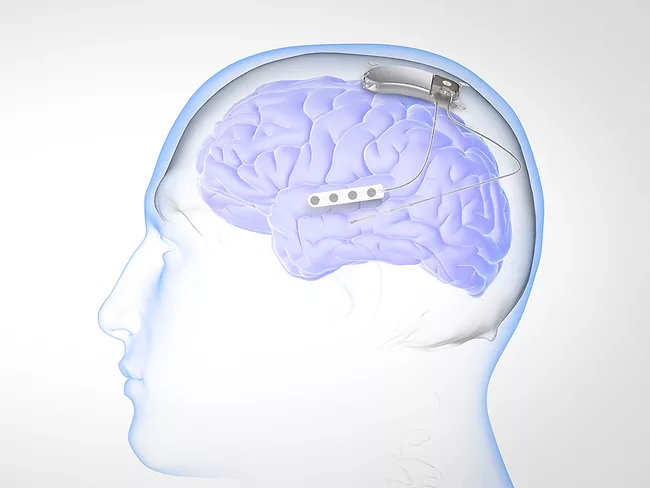
Neuropace Inc. nabbed $9 million in the form of a five-year NIH grant as part of the Brain Research through Advancing Innovative Neurotechnologies (BRAIN) Initiative. The grant will support the study of the Mountain View, Calif.-based company’s Responsive Neurostimulation (RNS) system in patients with Lennox-Gastuat syndrome (LGS), a debilitating form of epilepsy.
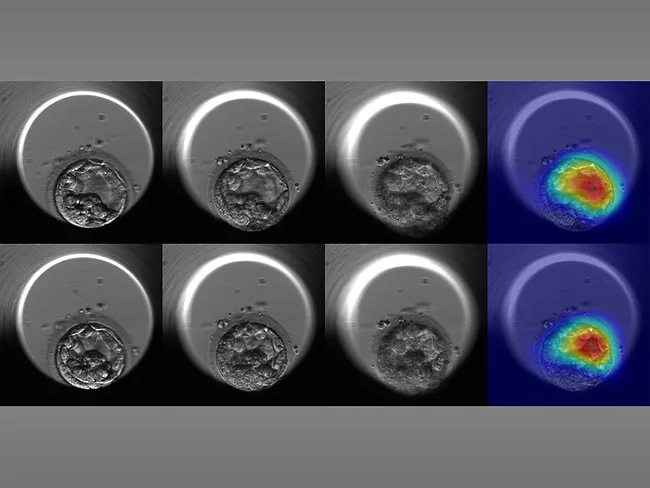
A study presented this week at the European Society of Human Reproduction and Embryology (ESHRE) annual conference demonstrated that the noninvasive artificial intelligence (AI) technology developed by Aivf Ltd. can instantly differentiate between genetically normal and abnormal human embryos, increasing the likelihood of successful pregnancy for couples using in vitro fertilization.
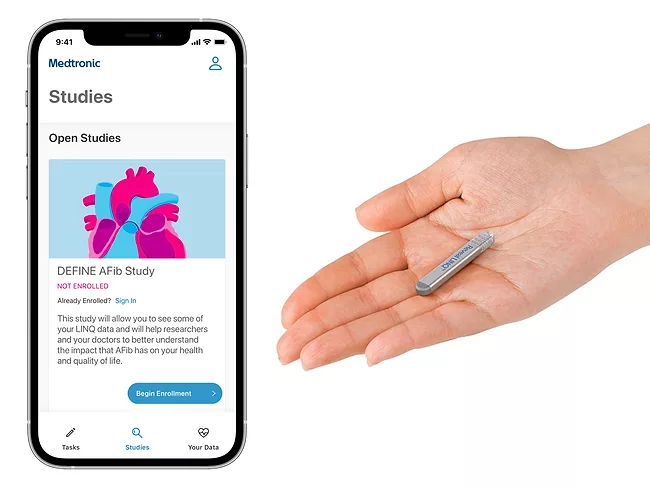
Medtronic plc kicked off an app-based research study to improve understanding of atrial fibrillation (AF) disease burden and its impact on patient outcomes, quality of life and health care utilization. The first patients in the DEFINE AFib study were enrolled at Duke University Medical Center and the Florida Electrophysiology Associates in Atlantis, Fla. “When it comes to managing atrial fibrillation, there is not a ‘one-size-fits-all’ approach, and the hope is that DEFINE AFib may give us the tools to help personalize AF management based on a patient’s individual health profile and physiology,” said Jonathan Paul Piccini, director of cardiac electrophysiology and associate professor of medicine at Duke University School of Medicine and chair of the DEFINE AFib Steering Committee. “DEFINE AF will harness the power of digital health to make fundamental discoveries about how we can manage atrial fibrillation better in each and every one of our patients.”
While stakeholders have concerns about the costs of registries for medical devices, they are still generally seen as less expensive and simpler to administer than randomized, controlled clinical trials (RCTs). A new journal article compares the quality of the data from a registry and the data generated by a clinical trial, and despite an interest in ascertaining whether registry data provided similar data quality, the authors concluded that registry data is still more useful as a means of supporting, rather than supplanting, the RCT.
Princeton University spinout Neutigers Inc. is launching a study to explore the use of artificial intelligence (AI) and everyday wearables to flag early symptoms of sickle cell anemia vaso-occlusive crisis (VOC) before they get worse and land patients in the hospital. The aim is to reduce deaths and facilitate interventions to address the entire continuum of care for patients with the inherited red blood cell disorder, Adel Laoui, founder and CEO, told BioWorld.
LONDON – New data from a randomized community study involving more than half a million people has shown that of 92,116 who had symptomatic COVID-19, 38% were still reporting symptoms 12 weeks later.
Oncohost Ltd. has opened eight U.K. trial sites in the study assessing the ability of its artificial intelligence (AI)-driven proteomics profiling technology to single out which cancer patients will respond to treatment with immune checkpoint inhibitors. The sites will carry out proteomic analyses of blood samples from patients with late-stage melanoma or non-small-cell lung cancer (NSCLC), to predict their likely response to immunotherapy.
 RSS
RSS