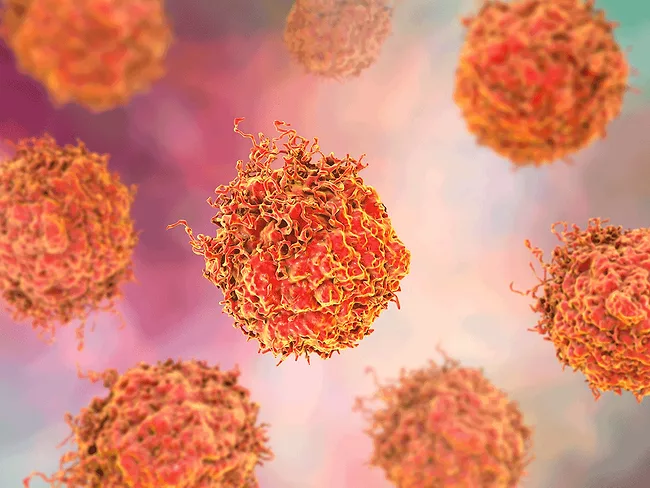
Veracyte Inc. reported new data showing its Decipher Prostate genomic classifier can help to identify patients with nonmetastatic castration-resistant prostate cancer (nmCRPC) who are more likely to benefit from treatment with Erleada (apalutamide) in addition to androgen-deprivation therapy (ADT). The study is the first to demonstrate Decipher Prostate’s prognostic utility in men with locally advanced prostate cancer.
Navigation Sciences Inc. has enrolled the initial patient in the first-in-human clinical feasibility trial of the Navisci system designed for surgeons to be able to remove probable early-stage lung tumors in minimally invasive surgery, integrating augmented reality (AR) and advanced software with surgical instruments.
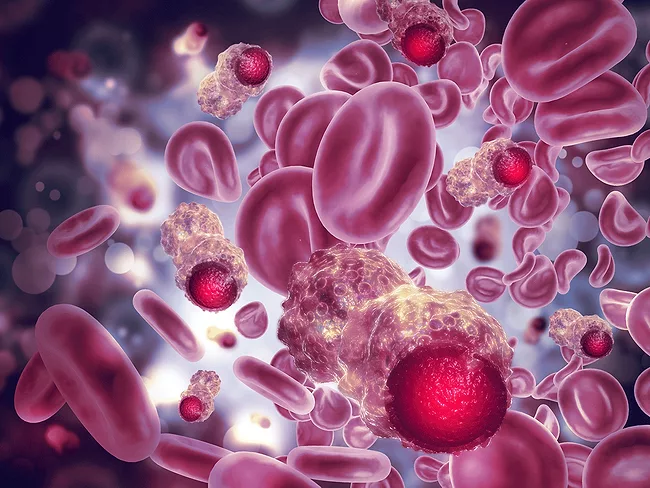
Grail Inc. reported on June 4 the first results of its Pathfinder study evaluating its assay for the early detection of 50 cancers, showing a positive predictive value of 44.6%. With a total of 6,629 study participants across more than 140 clinical study sites, the blood test is supported by what the health care company believes to be the “largest clinical study program in genomic medicine.”
Ortho Regenerative Technologies Inc. received a clinical hold letter from the FDA in connection with its investigational new drug (IND) application to begin a phase I/II trial for Ortho-R. The FDA asked for additional information on chemistry, manufacturing and control for the drug/biologic combination that the company is evaluating as an adjunct to rotator cuff repair surgery.
Dsruptive Subdermals AB has completed a clinical showing body temperatures tracked by its chip implants are comparable to temperature readings from standard clinical thermometers. The Stockholm-based startup is now offering its injectable implants as an open platform for researchers seeking efficient, low-cost tools to monitor changes in body temperature.
The American Society for Clinical Oncology’s (ASCO) virtual annual meeting began June 3 with the release of late-breaking abstracts, including LBA-1 on “Olympia: A phase 3, multicenter, randomized, placebo-controlled trial of adjuvant olaparib after (neo)adjuvant chemotherapy in patients with germline BRCA1 and BRCA2 mutations and high risk HER2-negative primary breast cancer.”
A first-of-its-kind blood test that can detect whether cancer is absent, imminent, or present in different stages is on its way to the market. This is a claim made by brothers Ashish Tripathi and Anish Tripathi, who lead Singapore-based molecular diagnostic company Tzar Labs Pte. Ltd. and Mumbai-based Epigeneres Biotechnology Pvt. Ltd., respectively.
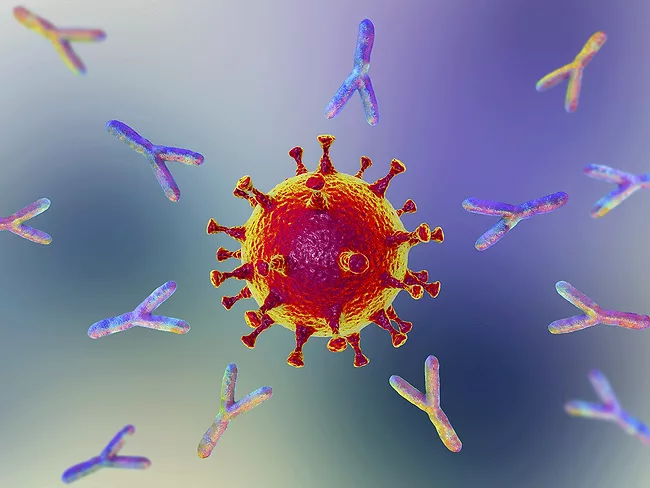
A new study by Laboratory Corp. of America Holdings (Labcorp) has found that nearly 9 in 10 COVID-19 patients continue to have antibodies to SARS-CoV-2 proteins 10 months after infection. Published in The Lancet-affiliated Eclinicalmedicine, the study provides real-world evidence of the persistence of SARS-CoV-2 antibodies in infected individuals, though the authors said more research is needed to determine if, and to what degree, protection against reinfection persists.
With the intense focus on developing COVID-19 diagnostics, sequencing tools, vaccines and treatments, the pandemic is having an outsized impact on the global development of drugs and devices to treat other diseases. Recent data show that more than 1,000 clinical trials worldwide remain disrupted by COVID-19, including 60% of the non-COVID-19 trials being conducted in the U.S., as funding and other resources continue to be directed toward ending the pandemic.
Restoring blood flow to limbs is a challenging goal, given the minuteness of the peripheral vasculature. But there is a huge unmet need for patients with chronic limb-threatening ischemia (CLTI) – a severe form of peripheral artery disease in which patients face major amputation. Now, Limflow SA reports one-year data from the PROMISE I study shows its Percutaneous Deep Vein Arterialization System (pDVA) led to sustained amputation-free survival and wound healing in CLTI patients treated with the device.
 RSS
RSS