HONG KONG – Kangstem Biotech Co. Ltd. has completed research on South Korea’s first artificial liver and is taking the next steps towards the device’s clinical trials.
PERTH, Australia – Neuroscience technology company Cogstate Ltd. and Japanese pharmaceutical company Eisai Co. Ltd. signed a deal under which Eisai will have global development rights and exclusive commercialization rights of all cognitive function tests developed by Cogstate, including the Cogstate Brief Battery (CBB) for use in health care and other markets.
LONDON – Three large scale population surveys conducted between late June and the end of September have shown the prevalence of SARS-CoV-2 antibodies in England declined by 26.5% over three months. The findings rest on the results of more than 350,000 self-administered lateral flow blood tests that were carried out at home by volunteers who were randomly selected from general practitioner registers.
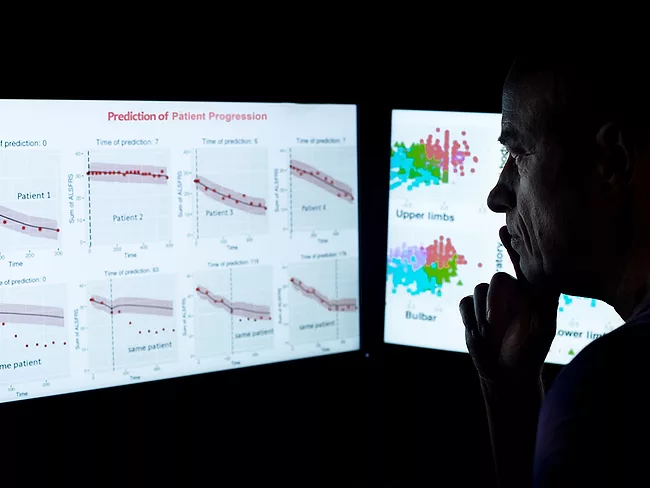
Researchers at Israel’s Ben-Gurion University have launched a machine learning platform that aims to streamline the clinical trial process using predictive analytics. The technology has been licensed to Panacea, a startup company formed by BGN Technology.
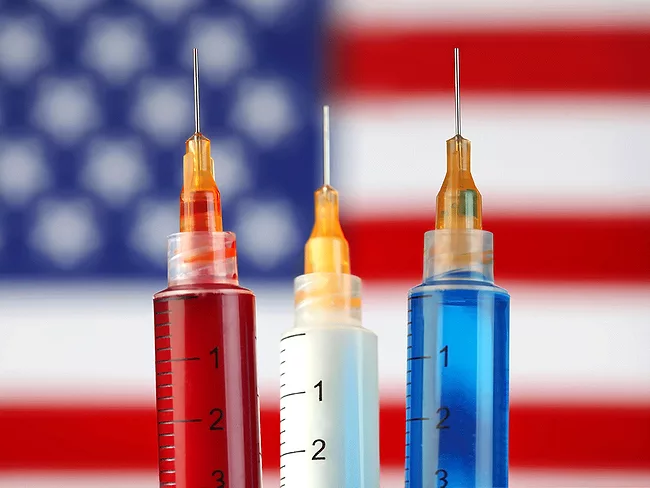
With the lack of public trust and confidence the biggest barrier to SARS-CoV-2 vaccines in the U.S., the risk of granting an emergency use authorization to a vaccine with safety issues or questionable efficacy could destroy confidence in future FDA-approved products. That message was drummed home throughout the Oct. 22 meeting of the FDA’s Vaccines and Related Biological Products Advisory Committee.
While the FDA’s approach to evaluating safety and efficacy in the development and review of COVID-19 vaccines for the U.S. market will be at the center of its Oct. 22 advisory committee meeting, the panel also will be asked to discuss the practicalities, and ethics, of continuing to conduct trials once a candidate has been granted an emergency use authorization.
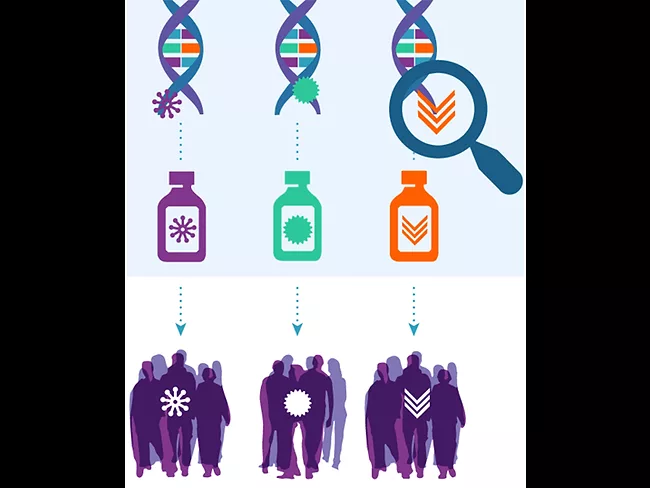
Investigators at the ECOG-ACRIN Cancer Research Group and the National Cancer Institute reported a roughly 40% match rate of patients to molecularly targeted therapies in its NCI-Molecular Analysis for Therapy Choice (NCI-MATCH) trial, ultimately leading to molecularly targeted treatments for almost 20% of trial participants.
PERTH, Australia – During the COVID-19 pandemic, 90% of Australia’s clinical trials were put on hold, and the market cap of biotech and medical device companies on the Australian Securities Exchange dropped 5% to AU$11 billion (US$7.78 billion), according to a recent report by Australia’s Medical Technologies and Pharmaceuticals Industry Growth Centre.
The case of Arthrex v. Smith & Nephew at the U.S. Court of Appeals for the Federal Circuit was something of a nuclear option for the patent dispute at hand, as it raised a constitutional question regarding the appointment of administrative patent judges (APJ) at the Patent Trial and Appeal Board (PTAB). The Supreme Court has agreed to hear a consolidation of three petitions for cert arising from the Arthrex case, the outcome of which could force the reopening of a number of cases already decided by the PTAB.
Intervenn Biosciences said it has identified stark differences in the glycoproteomic profile of COVID-19 patients who became very sick and people infected with the SARS-CoV-2 virus who were either asymptomatic or experienced only minimal effects. The contrast could help clinicians better understand the biological mechanisms of the disease and triage patients at risk of responding detrimentally to early treatments and more intensive care.
 RSS
RSS